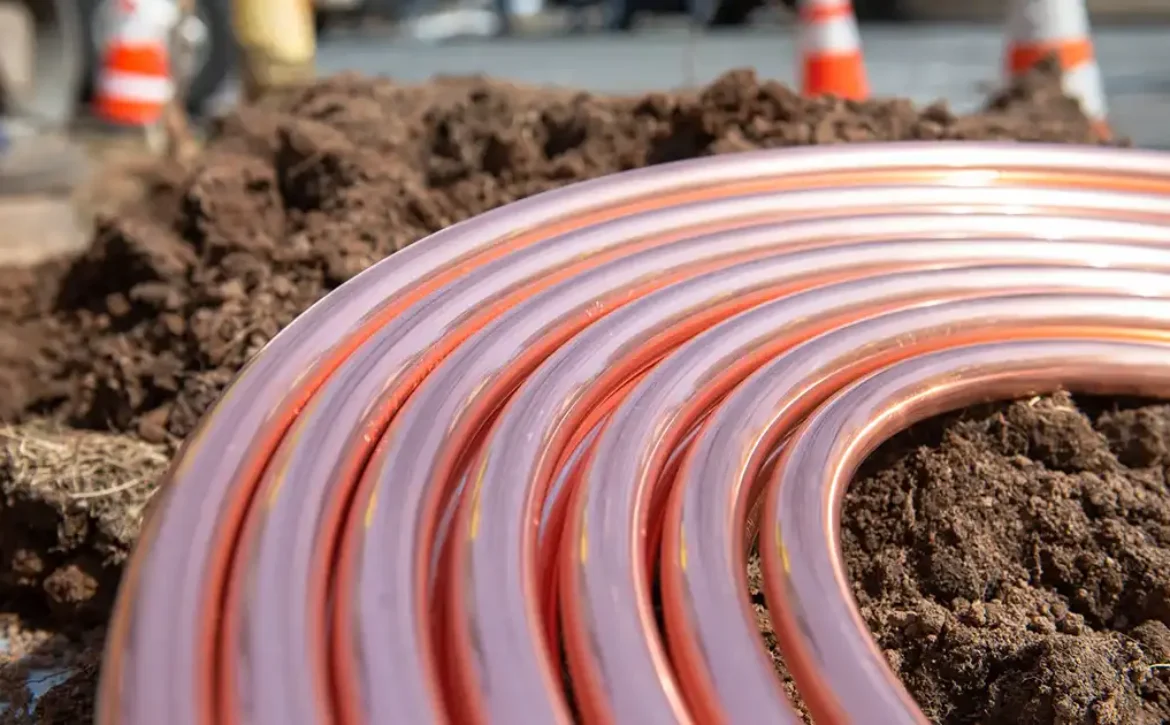
Copper lines

Requiring LSL Replacement WhenOpportunities Arise

State and local governments could require utilities or property owners to replace LSLs either on a schedule or when an opportunity arises.


Read More
Water pipes illustration

LCRA Community Grants

LCRA awards grants to worthy community projects in the LCRA wholesale power, water and transmission service territories through its Community Grants program.

Read More
Waterline pipes illustration

Keep Communities Flowing Grant Program

The American Water Charitable Foundation has invested over $25 million in funding through grants and matching gifts that are important to our employees and our communities.

Read More
Map illustration

Community Foundation Locator

Find community foundations in your area by searching the locator map.

Read More
Construction worker illustration

Influencing Policy Development

This toolkit provides guidance for bringing about policy change in organizations and communities.

Read More
Construction worker illustration

Building Blocks of Trust: Creating Authentic and Equitable Relationships Between Community Organizations and Water Utilities

The Building Blocks of Trust Self-Paced Training Series covers the “Foundations of Trust” needed to build those trust-based relationships.

Read More
Checklist illustration

Creating and Maintaining Coalitions and Partnerships

This toolkit provides guidance for partnering to address a common goal.

Read More
Construction worker illustration

Quick tips for speaking at a public meeting

Guidance on how to engage with city or township officials to influence decision-making.

Read More
Construction worker illustration

Find and contact elected officials

Get the names and contact information for the people who represent you on the federal, state, and local levels.

Read More
Checklist illustration

Guide to Community Drinking Water Advocacy

A guide to community drinking water advocacy and resources for engaging on local water issues.

Read More

Milwaukee is one of the few cities in the country with a prioritization plan to ensure neighborhoods likely to suffer the most severe impacts from lead poisoning get their pipes replaced first. In consultation with a community-based group, Coalition for Lead Emergency (COLE), and following a public engagement process, Milwaukee included in an ordinance three indicators to prioritize where LSLs will be removed first:

  1. The area deprivation index (ADI), which is a compilation of social determinants of health
  2. The percentage of children found to have elevated lead levels in their blood when tested for lead poisoning
  3. The density of lead service lines in the neighborhood.

Read more here.