Gooseneck, Pigtail, and Connector

Short sections of lead piping—typically 2 feet or less—have historically been used to connect the water main to the rest of the service line leading to a property, commonly installed before the 1986 ban on lead service lines (LSLs) under the Safe Drinking Water Act (SDWA). While the Lead and Copper Rule Improvements (LCRI) do not include goosenecks, pigtails, or connectors in the definition of LSL, water systems are encouraged to identify their presence and the material of the connectors. When lead connectors are encountered, they are required to be removed or disconnected.

« Back to Glossary


Share
Recent Resources
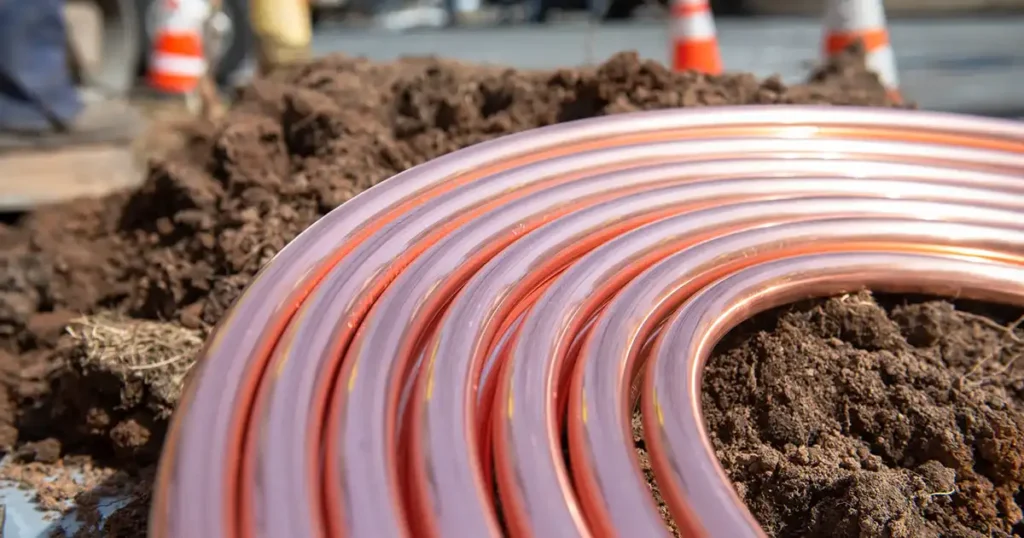
Copper lines

Requiring LSL Replacement WhenOpportunities Arise

Columbus Skyline

H2Ohio Invests $500,000 in Columbus to Replace Lead Lines at Childcare Facilities

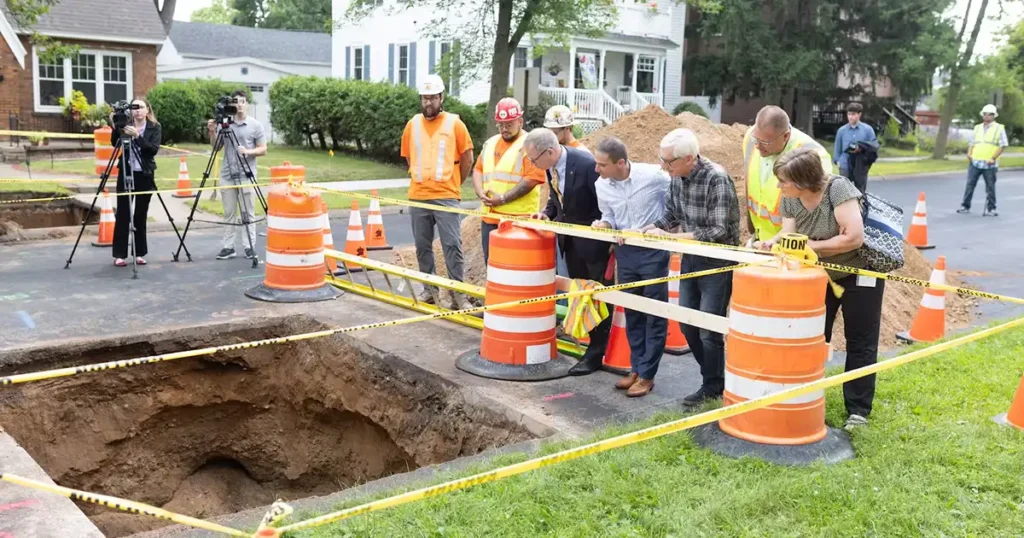
Wausau celebrated its 1,000th lead service line replacement after completing the milestone in just over one year.

City of Wausau and Community Infrastructure Partners Celebrate 1,000th Lead Service Line Replacement, Set National Model for Lead-Free Future

Milwaukee is one of the few cities in the country with a prioritization plan to ensure neighborhoods likely to suffer the most severe impacts from lead poisoning get their pipes replaced first. In consultation with a community-based group, Coalition for Lead Emergency (COLE), and following a public engagement process, Milwaukee included in an ordinance three indicators to prioritize where LSLs will be removed first:

  1. The area deprivation index (ADI), which is a compilation of social determinants of health
  2. The percentage of children found to have elevated lead levels in their blood when tested for lead poisoning
  3. The density of lead service lines in the neighborhood.

Read more here.