Leveraging Lead Service Line Replacement for Workforce Inclusion and Growth
This report explores how LSL replacement can create economic benefits for disinvested and low-income communities in Illinois by creating workforce opportunities.



This report explores how LSL replacement can create economic benefits for disinvested and low-income communities in Illinois by creating workforce opportunities.

This policy brief synthesizes practices and policies from cities and utilities that are creatively combining traditional and non-traditional funding and financing mechanisms to overcome legal, financial, and logistical barriers to covering LSL replacement costs.

This report on earmarks provides thoughtful, compelling data and policy analyses to support actionable recommendations for how Congress could make earmarking less harmful to their own states.

This report examines both successes and barriers in New York’s early efforts to replace LSLs and identifies policy solutions to accelerate progress, increase public health protections, and ensure compliance with federal requirements
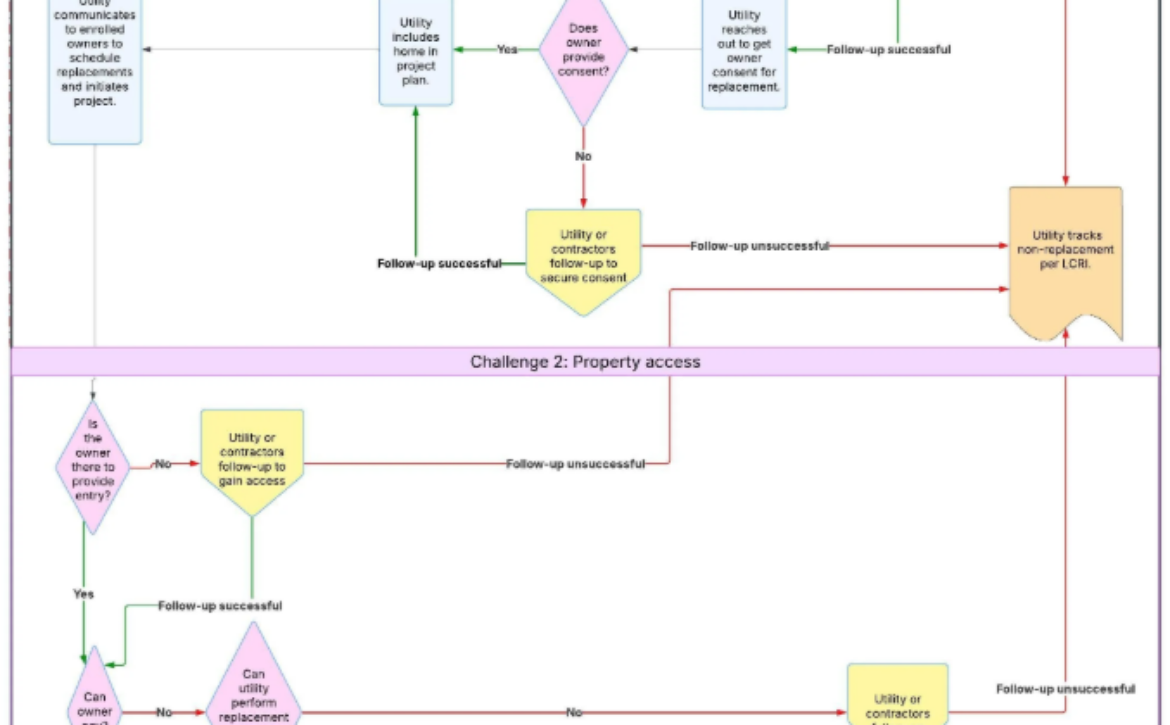
Common scenarios that water systems encounter when replacing lead service lines (LSLs) and how automatic enrollment policies help expedite replacements in each one.
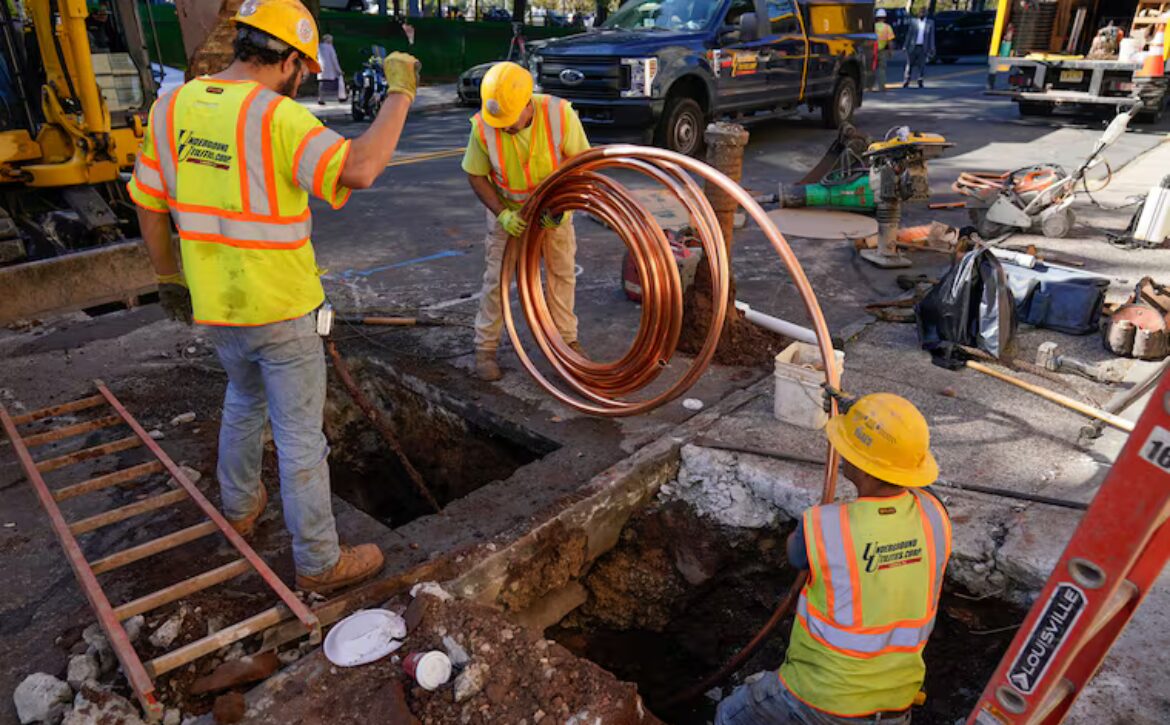
This blog explains how automatic enrollment policies to streamline lead service line replacement programs, reducing customer barriers and administrative burdens to accelerate the delivery of safe drinking water.

IIJA is an investment in jobs, as well as infrastructure. Federal SRF appropriations flow to communities through state SRF programs, but more is needed to ensure that the jobs created by investments in water infrastructure are equitably distributed to workers in underserved communities. This policy brief identifies policy options state SRF administrators can adopt to advance equitable workforce goals.

The City of Platteville, WI secured and distributed a list of five pre-qualified plumbers for residents to use to replace private side LSLs.

This report emphasizes that effective resident engagement, marketing, and public education strategies—through clear communication and addressing homeowner concerns—is crucial for overcoming barriers and accelerating lead service line replacement efforts.
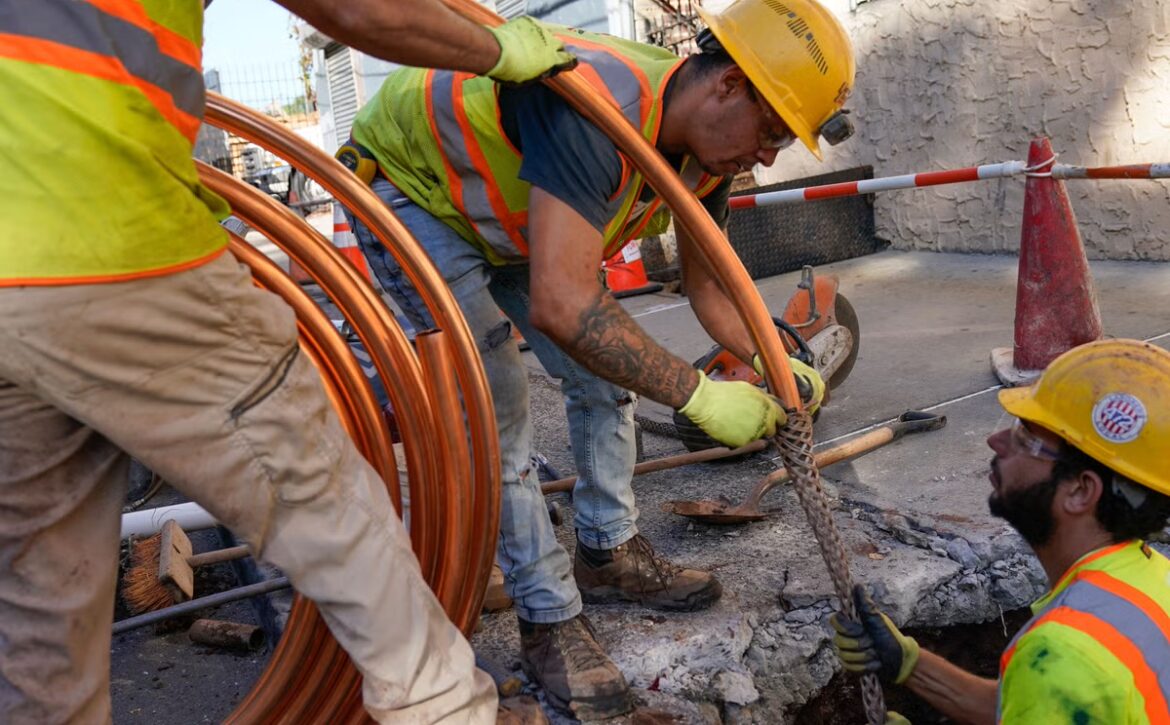
A 50-state comparison of DWSRF financing options for Infrastructure Investment and Jobs Act (IIJA) funding.


