Tennessee state law may enable pay for success contracting for lead service line replacement
Tennessee procurement law may open opportunities for pay for success contracting for water infrastructure projects


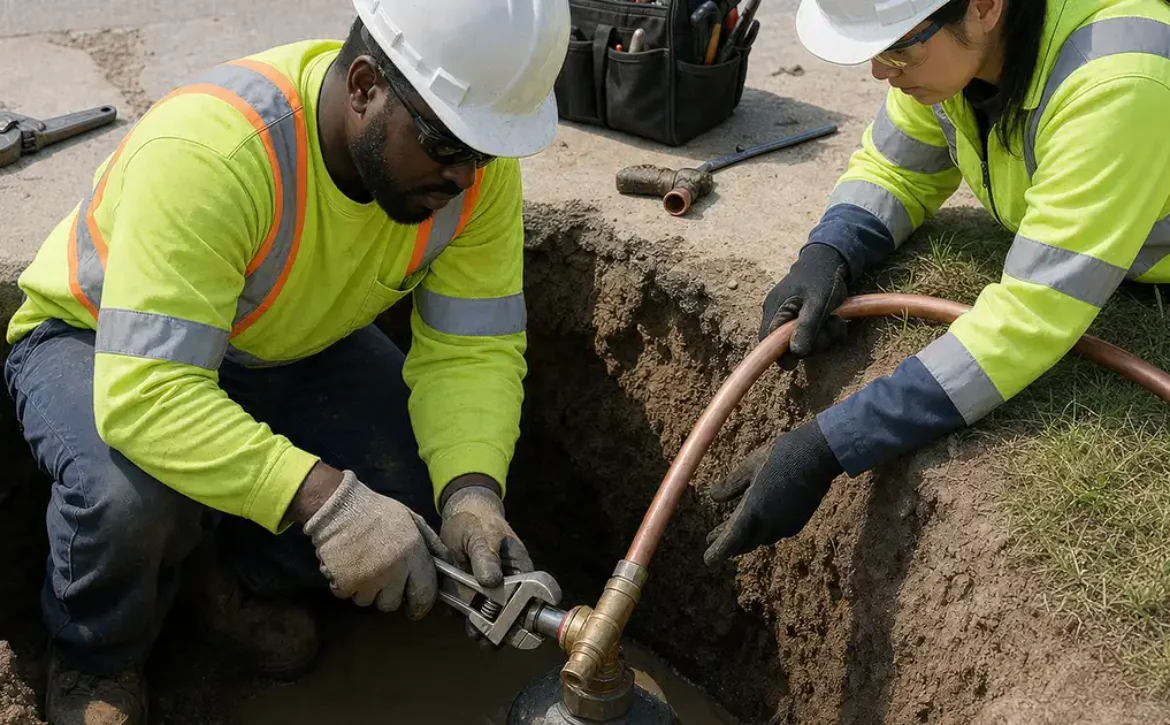
Tennessee procurement law may open opportunities for pay for success contracting for water infrastructure projects
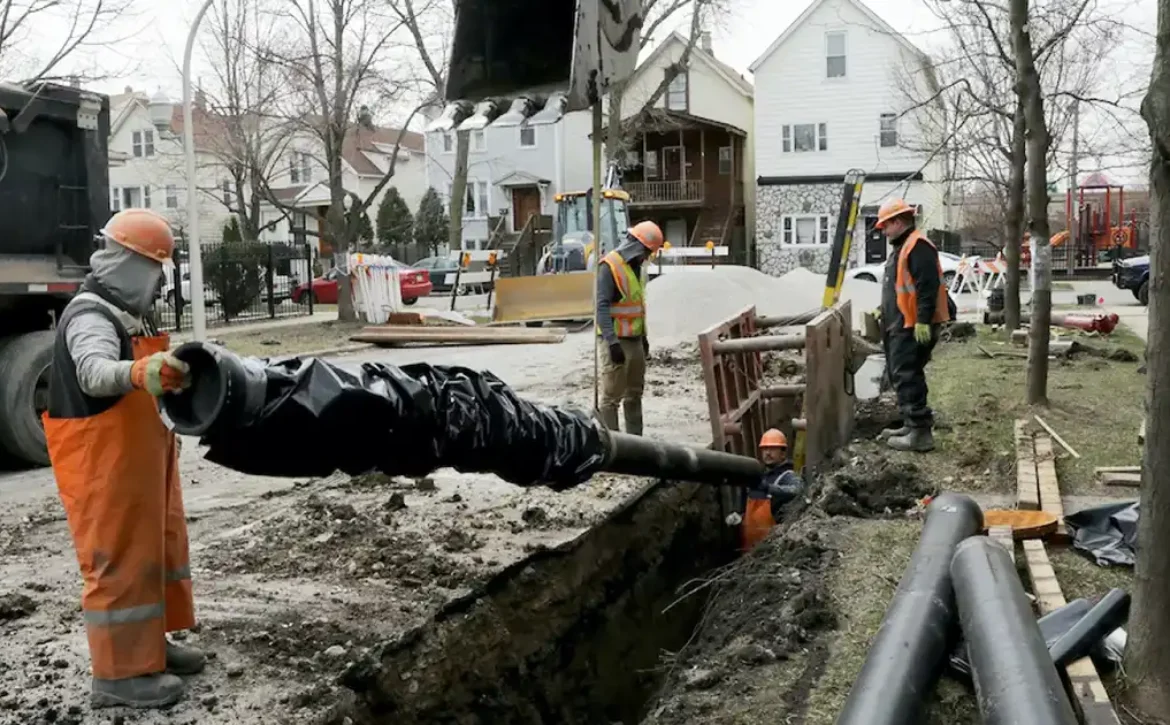
Illinois law requires property owners to grant utilities access for private-side replacement in cities with populations over 1 million or when replacements are offered at no direct cost. The bill also allows any legal occupant to grant access when a property owner is unresponsive.
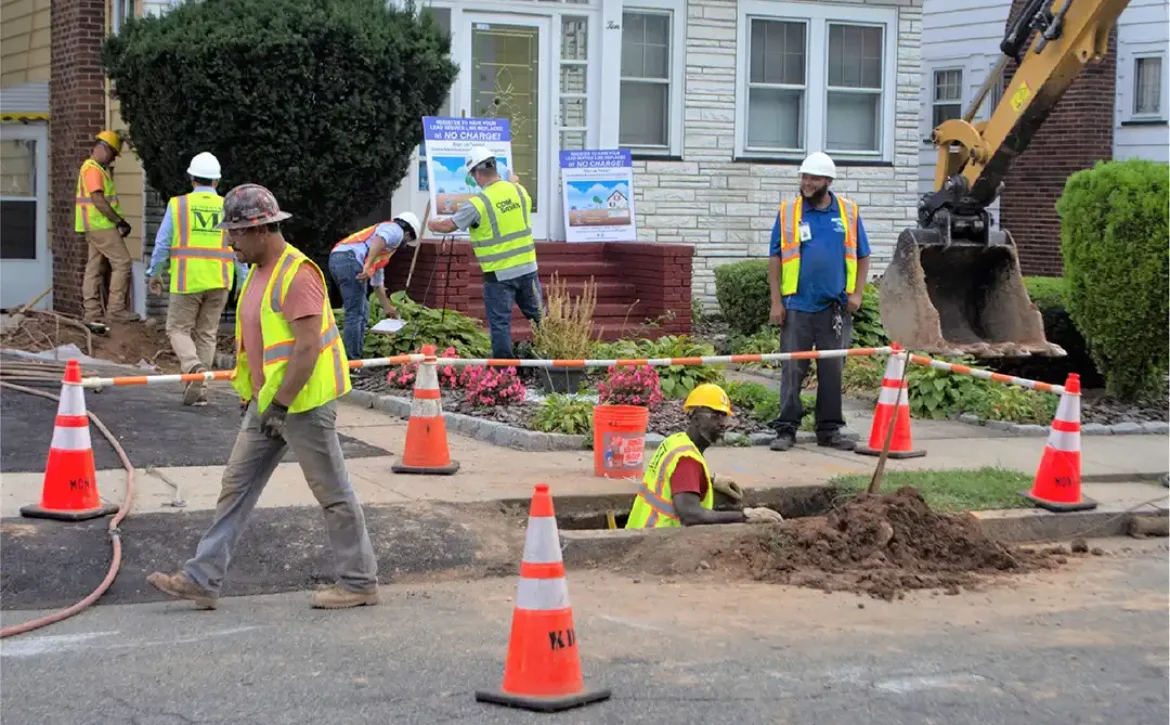
Louisiana law authorizes municipalities to adopt ordinances enabling municipal water systems access to private property to conduct private side replacements with prior notice.
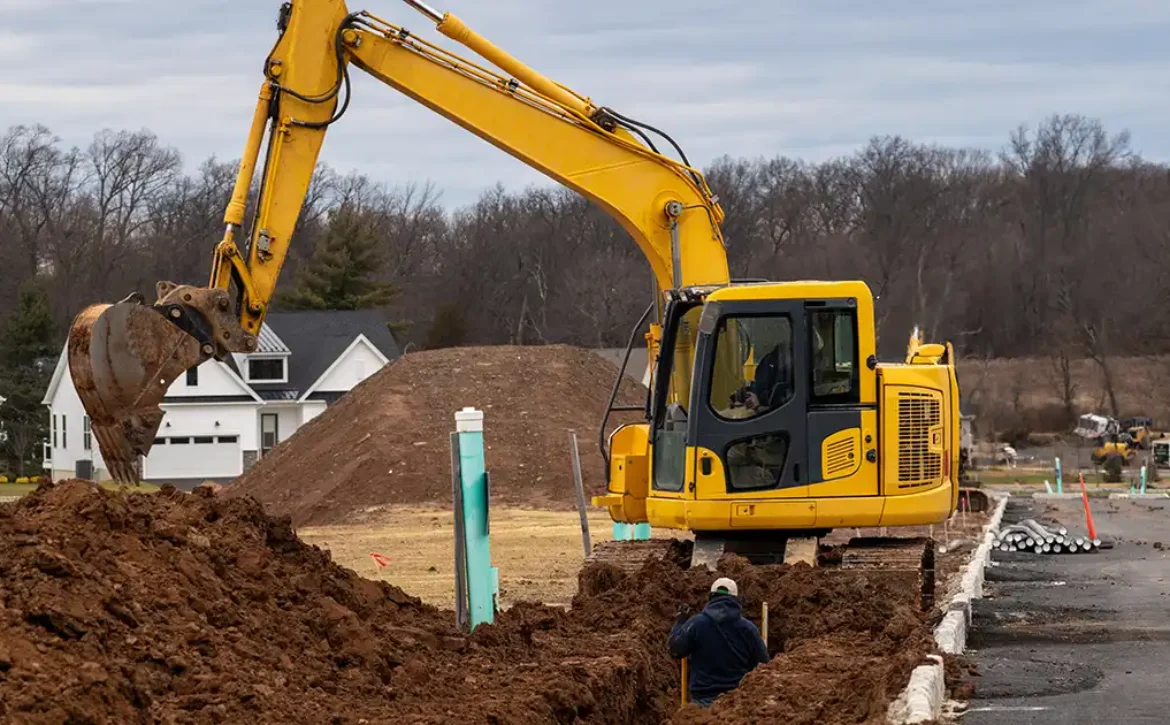
Tennessee law authorizes water utility access to private property to conduct private side replacements.

Virginia law allows water utilities to access private property for LSL inventories

New Jersey lawd requires landlords to disclose lead service line risks, prevents them from obstructing replacements, and guarantees tenants free lead-water testing upon request. It also directs state agencies to provide clear public guidance on lead hazards and prevention.

Wisconsin Act 8 expands the Safe Drinking Water Loan Program to allow principal forgiveness to a private owner of a community water system if the loans are for lead service line replacement.

Minnesota’s Lead Service Line Replacement Grant Program prioritizes the use grant funds to repay loans incurred for LSLR including DWSRF loans. Minn. Stat. 446A.077 §4(a).

State law expressly allows municipalities to mandate replacement as part of their LSLR program. Ind. Code Ann. § 8-1-31.6-6. It also permitsdefault enrollment by requiring proof of replacement. Ind. Code Ann. § 8-1-31.6-6(d)(2),(4).Utilities can access private property if landlords are unresponsive Ind. Code Ann. § 8-1-31.6-6(d)(2) and may disconnect service if owners block replacement work Ind. Code § 8-1-31.6-6(d)(4).

Illinois State law requires all water systems to develop and maintain service line inventories. Water systems must submit inventories to the IL Environmental Protection agency and be made publicly available on the IL EPA website. 415 ILCS 5/17.12 §17.12 (a). This law also prioritizes replacements for high-risk facilities, such as preschools, child care facilities, parks, playgrounds, hospitals, and clinics, and high-risk areas identified by the community water supply. 20 ILCS 605 §605-870(c).


