RPU Lead Pipe Replacement Program Gains Momentum
An update on RPU’s lead pipe replacement program.


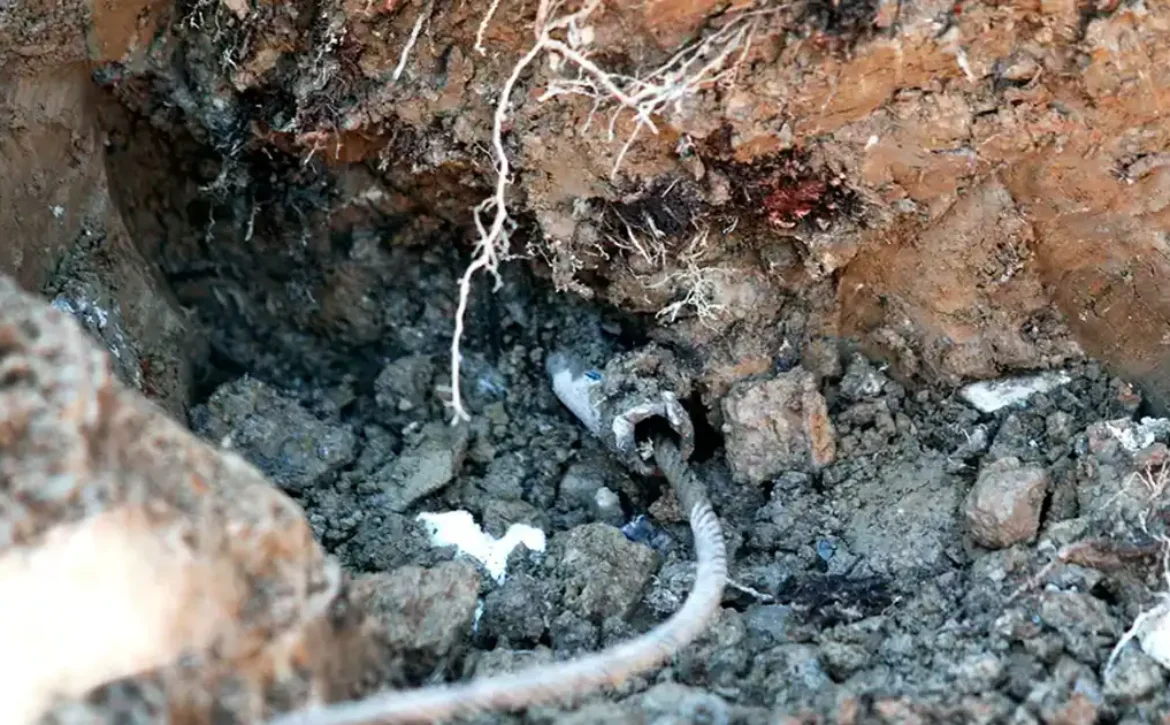
An update on RPU’s lead pipe replacement program.
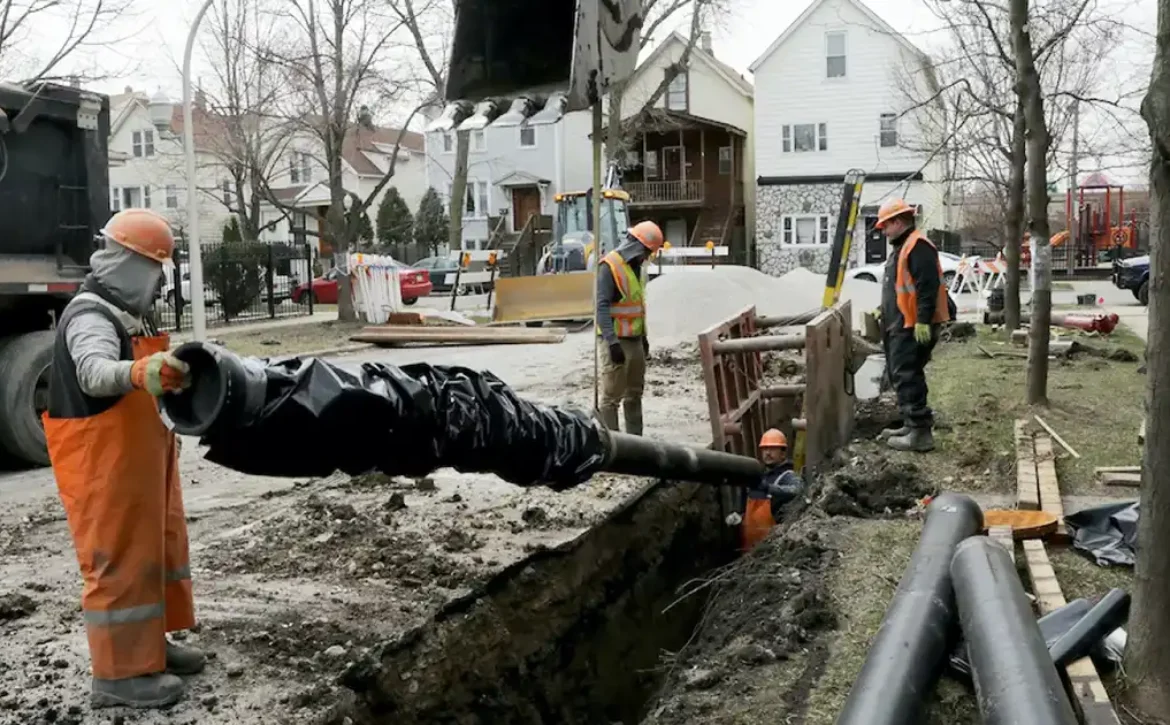
Illinois law requires property owners to grant utilities access for private-side replacement in cities with populations over 1 million or when replacements are offered at no direct cost. The bill also allows any legal occupant to grant access when a property owner is unresponsive.
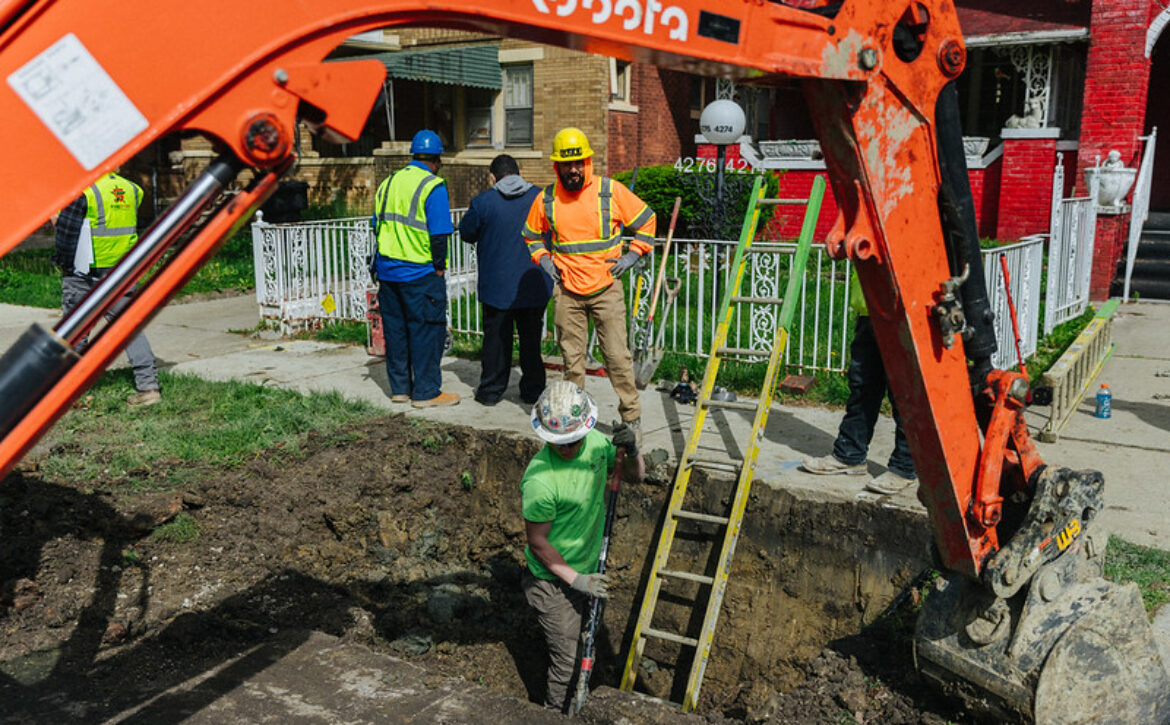
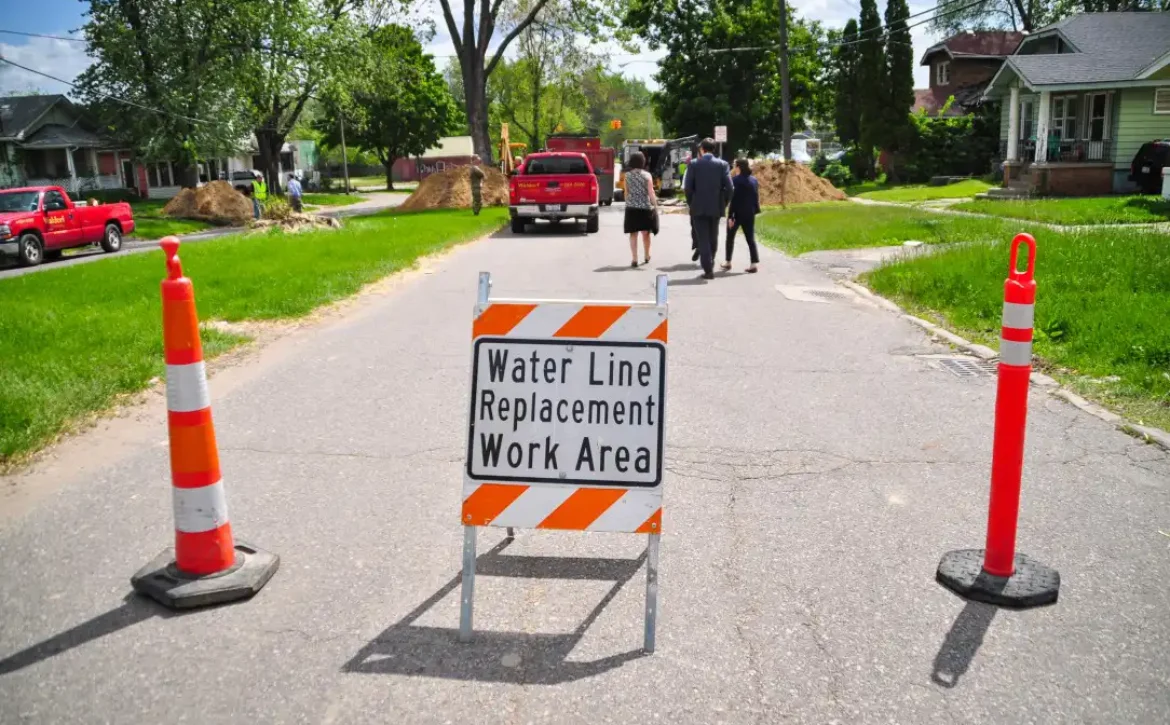
This blog highlights how the Detroit Water and Sewerage Department (DWSD) implemented automatic enrollment policies to effectively engage whole neighborhoods to access properties and accelerate lead service line replacements (LSLR).
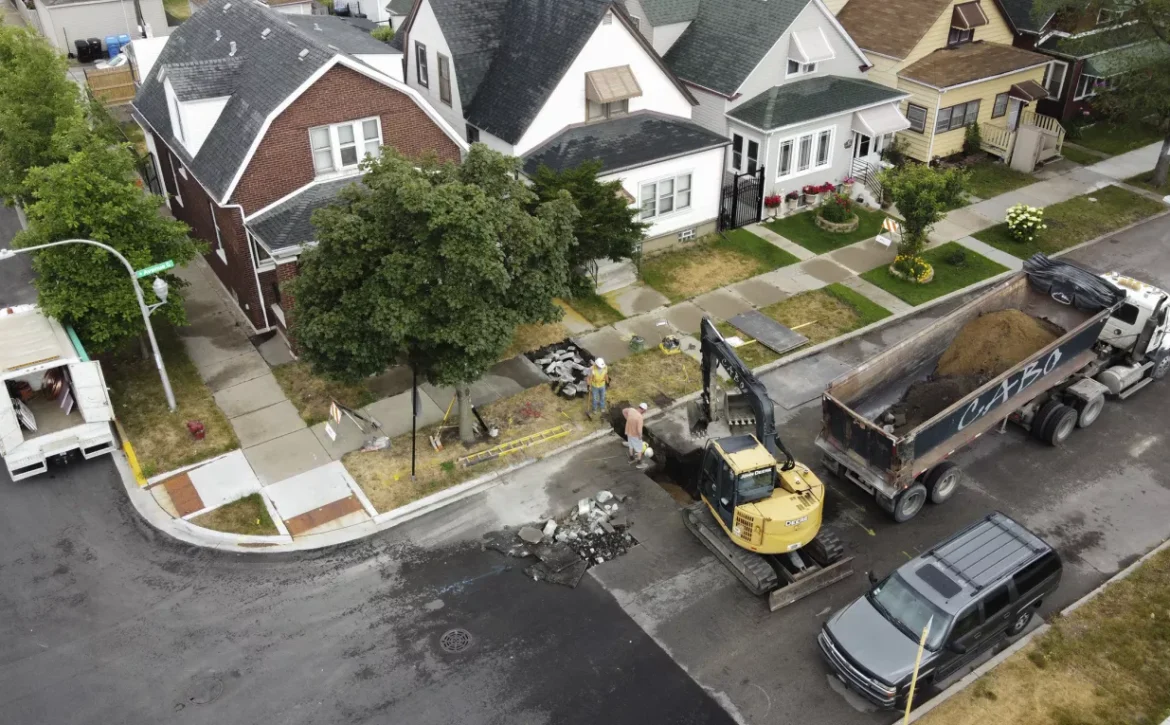
The LSLR Collaborative recently hosted a webina featuring Detroit Water and Sewerage Department (DWSD), Milwaukee Water Works (MWW), and the Environmental Policy Innovation Center (EPIC). The webinar discussed utility strategies for efficiently engaging households and gaining access to private-side lead service lines (LSL) for replacement.
Louisiana law authorizes municipalities to adopt ordinances enabling municipal water systems access to private property to conduct private side replacements with prior notice.
Tennessee law authorizes water utility access to private property to conduct private side replacements.
Virginia law allows water utilities to access private property for LSL inventories
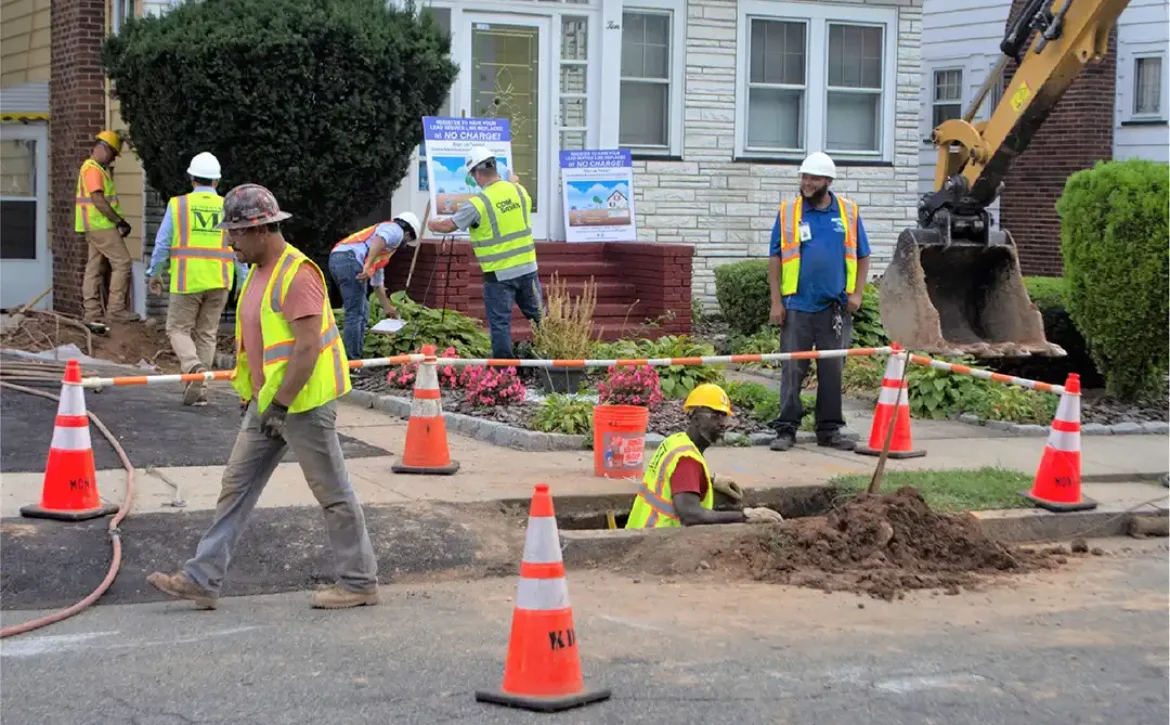
The Passaic Valley Water Commission explains how New Jersey’s lead service line replacement effort is confronting a practical reality: utilities can’t replace what they can’t access.

This report examines both successes and barriers in New York’s early efforts to replace LSLs and identifies policy solutions to accelerate progress, increase public health protections, and ensure compliance with federal requirements
New Jersey statute allows municipalities, water systems, or their agents to enter property to replace LSLs with 72 hours notice N.J. Stat. Ann. § 58:12A-39.


