Early Trends in Lead Service Line Inventories: Reflections from New Jersey
This report examined quantitative data on lead service line (LSL) replacements and contextualized it through case studies of five New Jersey water systems.


This report examined quantitative data on lead service line (LSL) replacements and contextualized it through case studies of five New Jersey water systems.
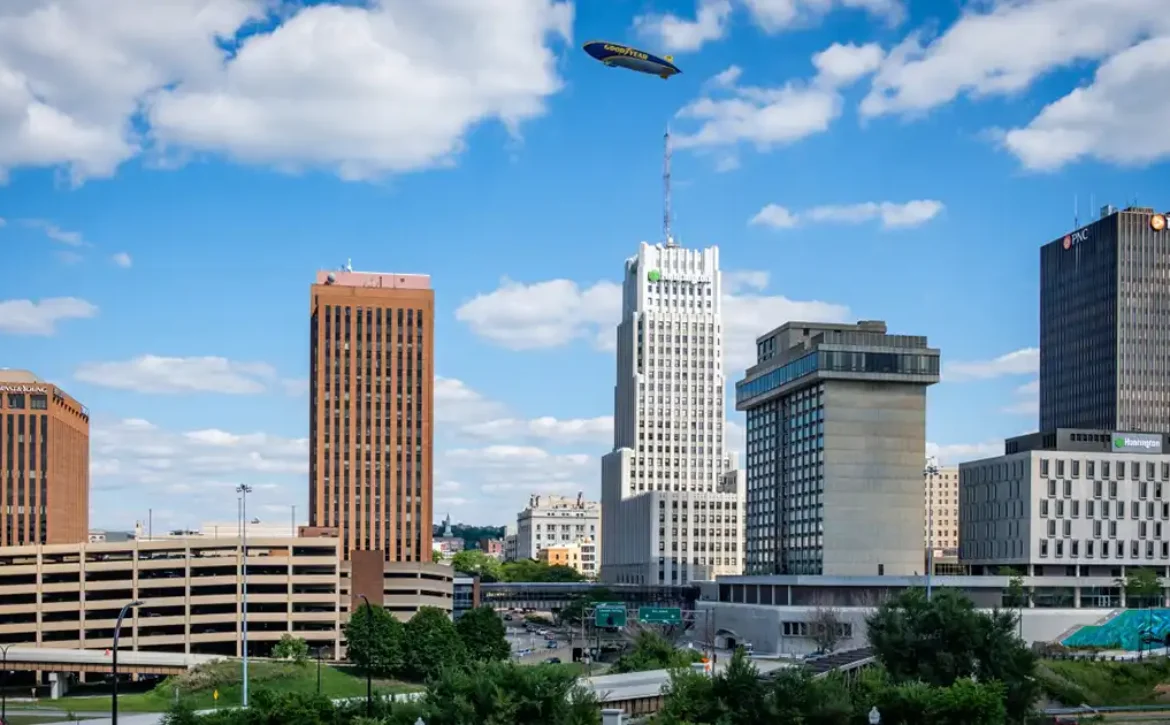
Akron has completed the removal of all lead service lines, becoming one of the first major U.S. cities to be lead-free.
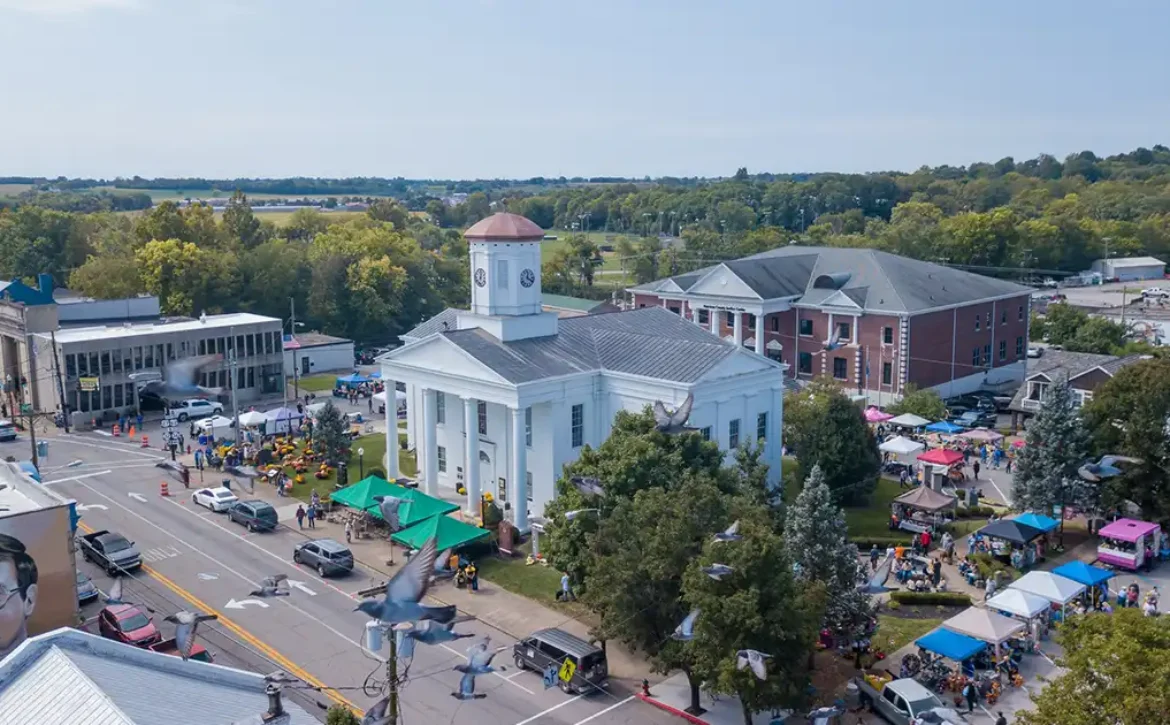
The City of Cynthiana has removed all of its lead piping, as of January 2, 2026.

This dashboard provides an overview of SRF spending in New Jersey.
This dashboard allows users to explore all SRF funded projects in the state of Michigan.
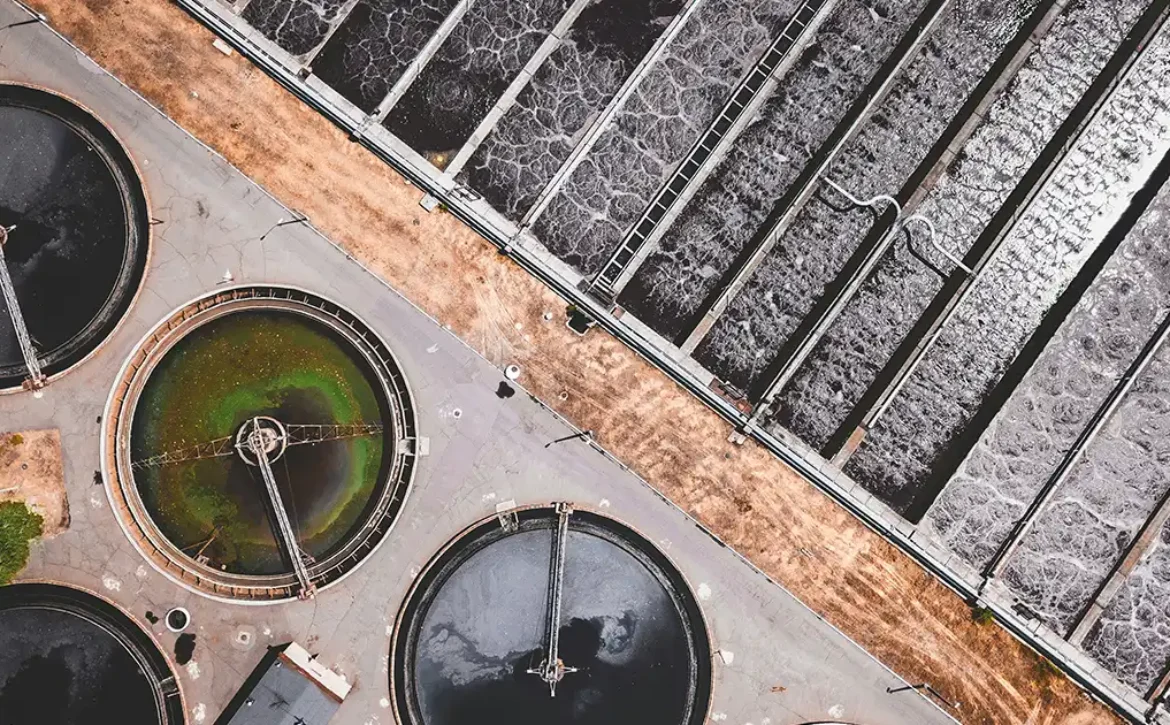
The paper examines how voluntary regional collaboration (e.g., informal cooperation, contractual assistance, joint regional entities, and consolidation) can help strengthen water and wastewater systems serving small and rural communities.
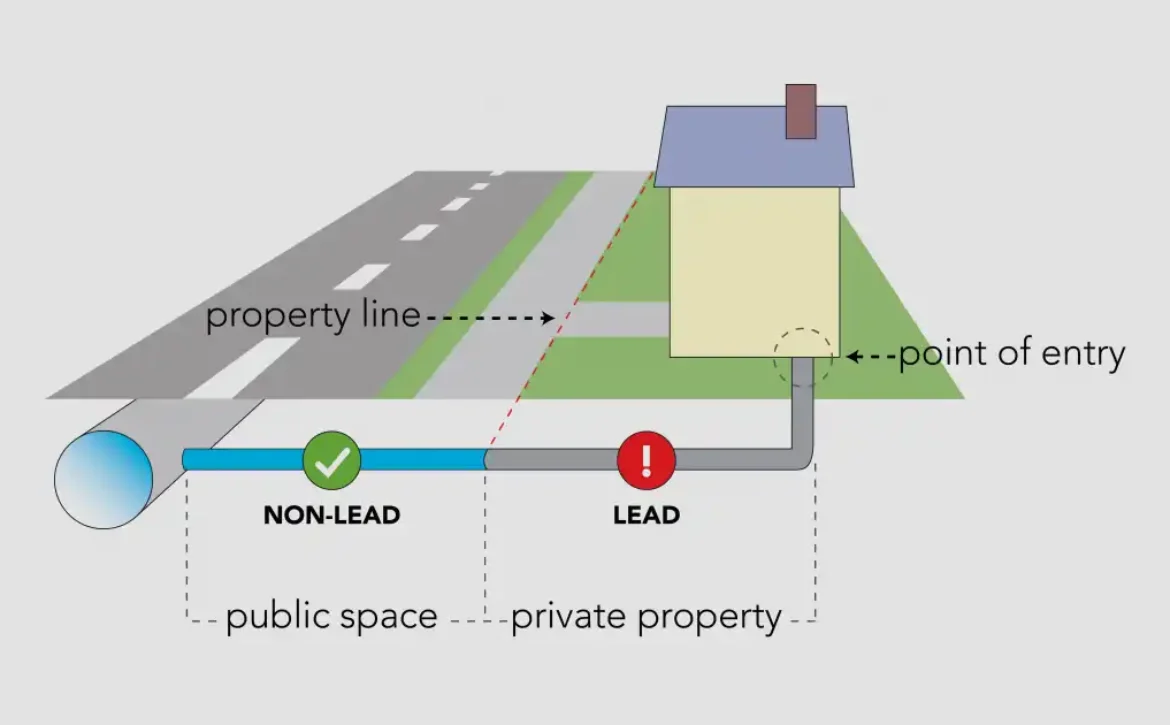
For a residence in the District, if DC Water’s Lead Map shows that the private portion of the service pipe is lead, galvanized, or brass, and the public portion is not, the residential property owner is eligible for the Lead Pipe Replacement Assistance Program (LPRAP).

This article provides a comprehensive roadmap for utilities to achieve compliance, including inventory, planning, financing and strategic execution.
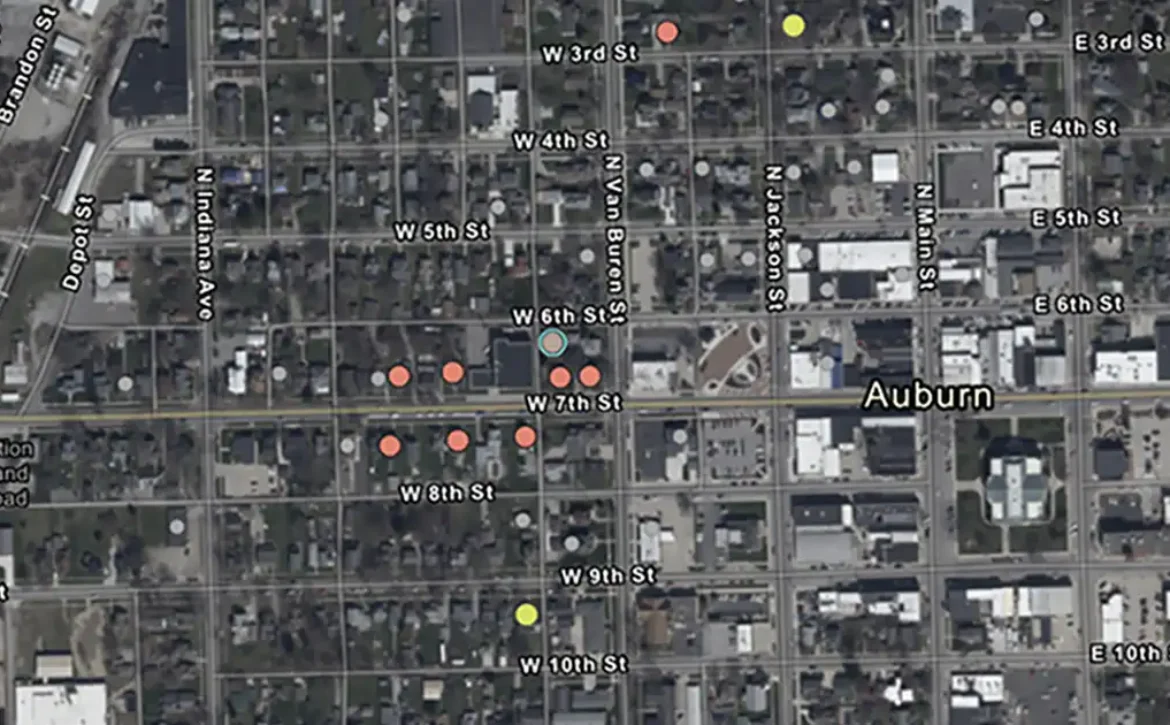
This article provides an example of how water utilities can combine, GIS, predictive modeling, and physical verification to plan and prioritize replacements.
Wilmington Water announces updates to its Line Map and announces the replacement of nearly 1,000 service lines.
