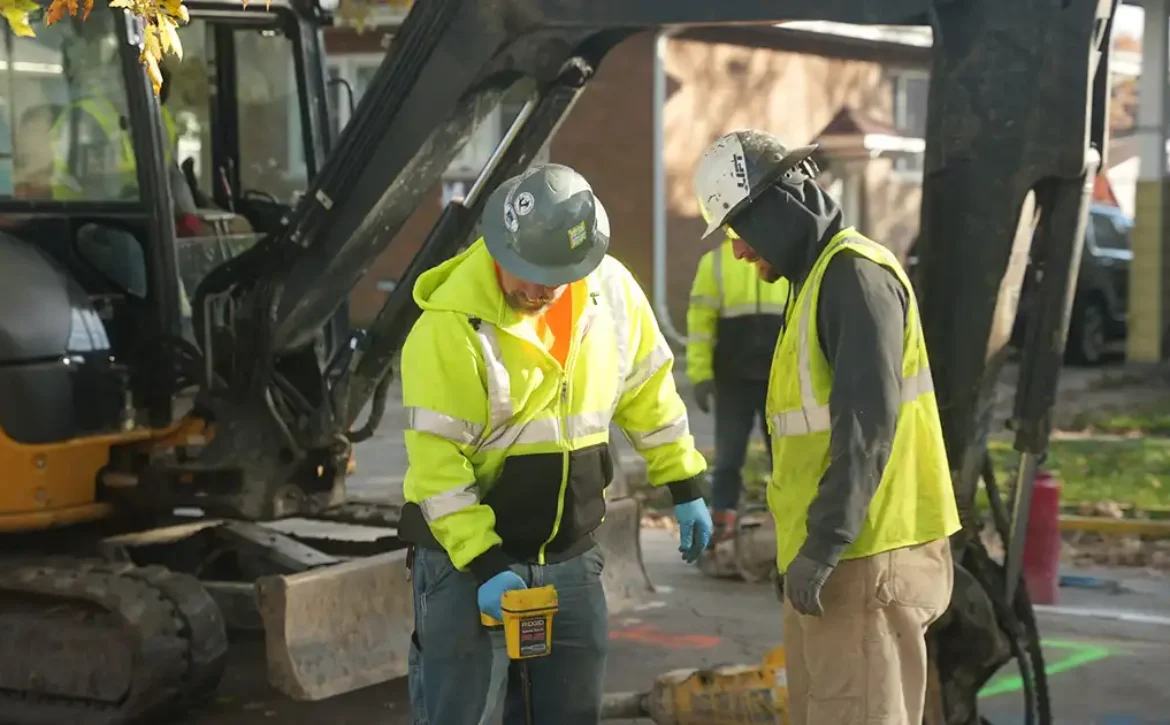
Inclusive workforce for lead service line replacement

Leveraging Lead Service Line Replacement for Workforce Inclusion and Growth

This report explores how LSL replacement can create economic benefits for disinvested and low-income communities in Illinois by creating workforce opportunities.


Read More
Construction worker illustration

The countdown to November 1, 2027: why the next LCRI deadline matters

This blog highlights upcoming LCRI deadlines, and steps water utilities need to take to ensure compliance.

Read More
The Fight for Progress

The Fight for Progress: Wisconsin’s Push for Lead Pipe Replacement

The Fight for Progress is an unprecedented all-access deep dive into the complex subject of lead service line replacement in Wisconsin.
Read More
The Big Barrier to Removing Toxic Lead Pipes

The Big Barrier to Removing Toxic Lead Pipes

The Passaic Valley Water Commission explains how New Jersey’s lead service line replacement effort is confronting a practical reality: utilities can’t replace what they can’t access.

Read More
Water pipes illustration

Lead and Children’s Health StoryMap

This educational story map highlights the health impacts of lead exposure in children, sources of exposure, and protective measures.
Read More
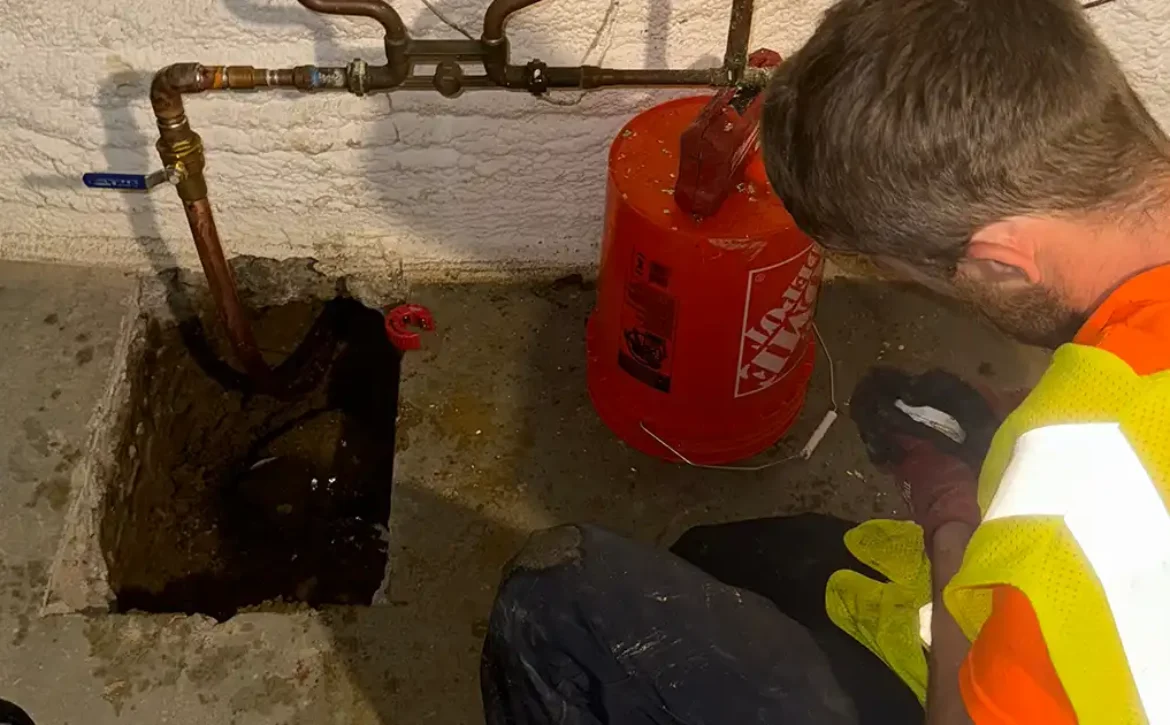
A utility technician completes the connection of a newly installed copper service line with the existing interior plumbing of a residential basement.

Property-by-Property Replacements, June 2026 through Mid-2027

This notice communicates Napervilles plans for 2026 LSL replacement projects.
Read More
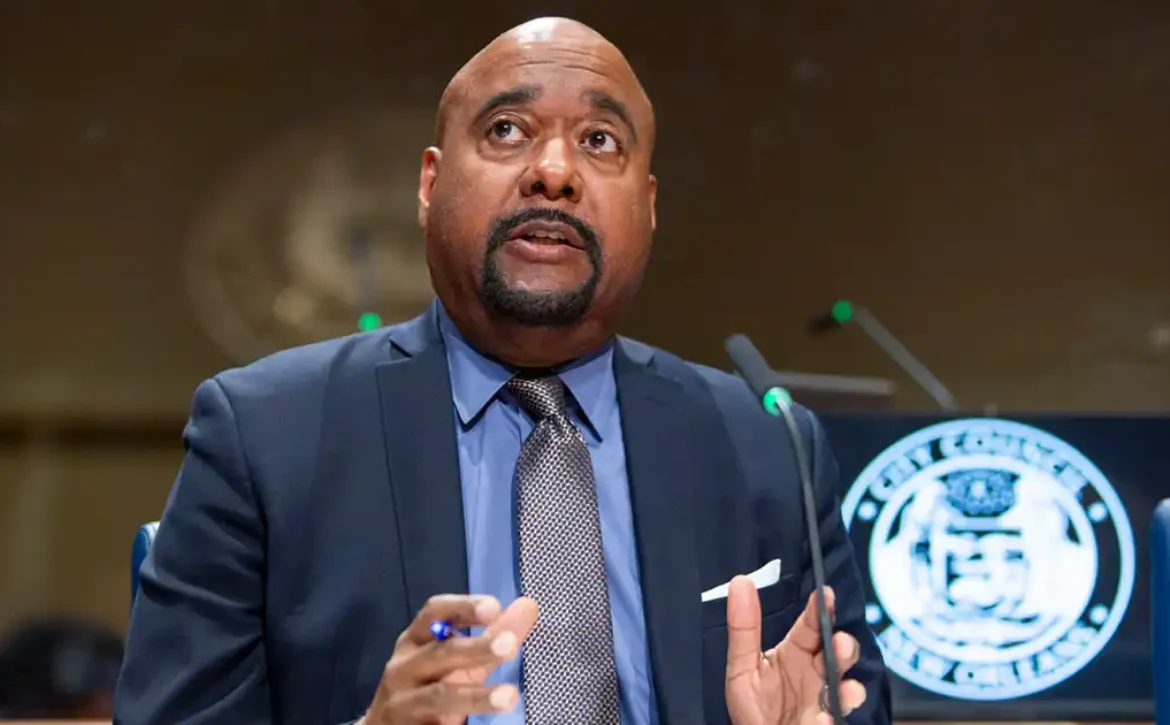
Executive Director of the Sewerage and Water Board Randy Hayman speaks during the City Council Public Works Committee meeting at New Orleans City Hall on March 10, 2026. Credit: Christiana Botic/Verite News and Catchlight Local/Report for America

Two new bills could allow New Orleans residents to have their lead pipes replaced for free

Two bills before the Louisiana State Legislature could clear the way for the Sewerage & Water Board of New Orleans to use federal funds to pay for replacing lead service lines on residents’ private property.
Read More
Baltimore County offers free LSLR through 2026

Baltimore County offers free LSLR through 2026

The Baltimore County Department of Public Works & Transportation (DPWT) is providing free replacements for customer-side lead water service lines.

Read More
Checklist illustration

Mayor’s Roadmap Checklist

This checklist summarizes the six key priorities to guide mayors and city leaders on how to replace lead pipes in their communities within 10 years and protect their residents from lead in drinking water.

Read More
Checklist illustration

Financial Plan Checklist for Lead Service Line Replacement

This checklist provides a step-by-step guide to developing a thoughtful financial plan for long-term success of your LSLR program.

Read More

Milwaukee is one of the few cities in the country with a prioritization plan to ensure neighborhoods likely to suffer the most severe impacts from lead poisoning get their pipes replaced first. In consultation with a community-based group, Coalition for Lead Emergency (COLE), and following a public engagement process, Milwaukee included in an ordinance three indicators to prioritize where LSLs will be removed first:

  1. The area deprivation index (ADI), which is a compilation of social determinants of health
  2. The percentage of children found to have elevated lead levels in their blood when tested for lead poisoning
  3. The density of lead service lines in the neighborhood.

Read more here.