A Pay for Success Approach to Water Infrastructure Delivery
This blog explains how Pay for Success (PFS) can help utilities and communities deliver water infrastructure more cost-effectively and at greater scale.


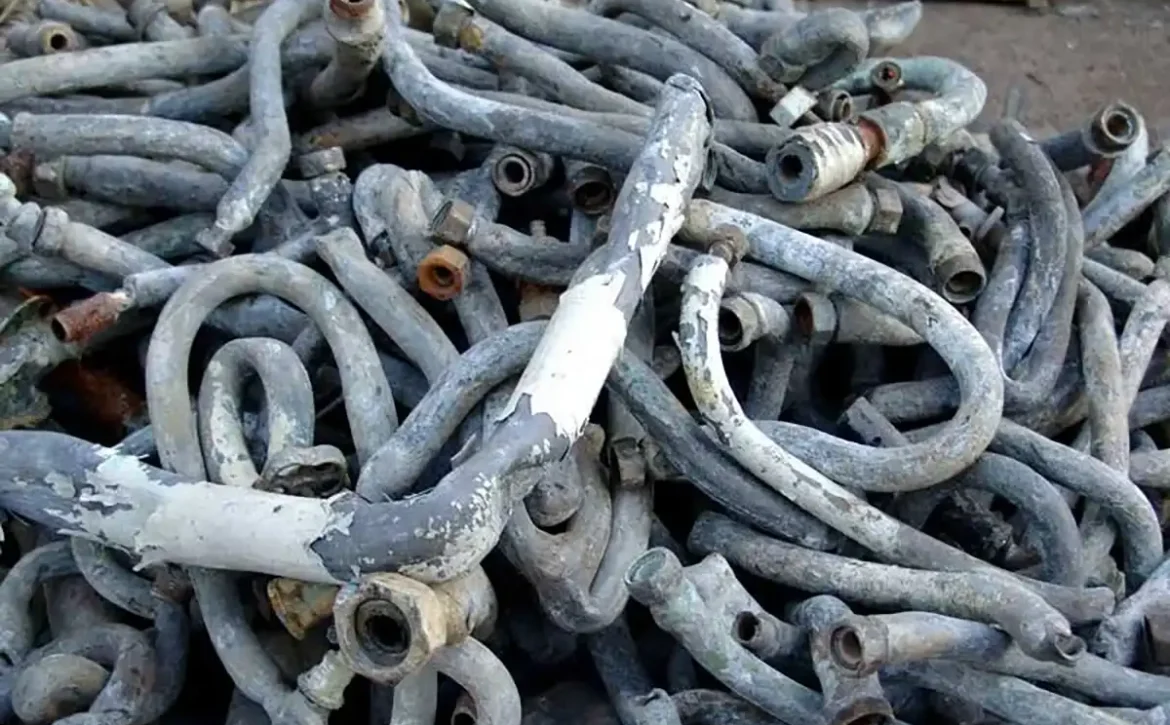
This blog explains how Pay for Success (PFS) can help utilities and communities deliver water infrastructure more cost-effectively and at greater scale.

This blog explains how pay for success contracting works and why it is particularly well-suited for LSL inventory and replacement projects.
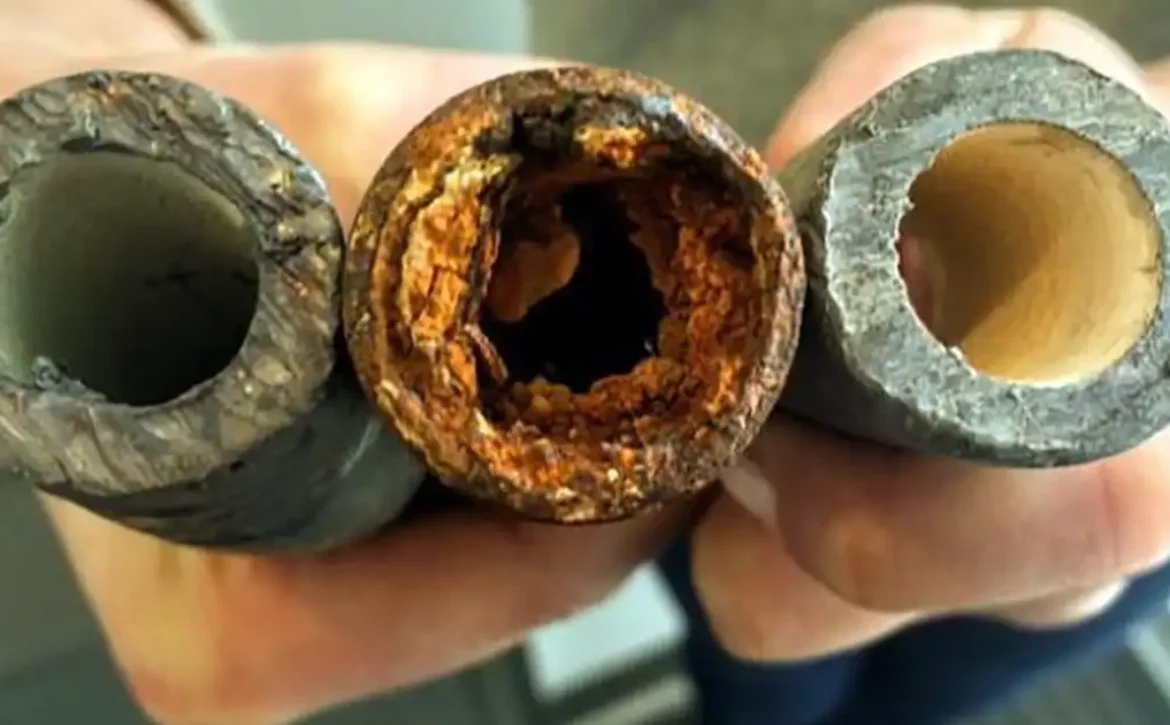
EPA Office of Water hosted a series of quarterly webinars highlighting challenges and successes in lead service line identification and replacement.

Automatic enrollment has proven effective in utility upgrades like AMI—and applying the same model to lead service line replacement could streamline access, boost participation, and speed up progress.
The consequences of lead on communities are serious regardless of whether the municipality or an investor-owned utility (IOU) owns the water delivery system.
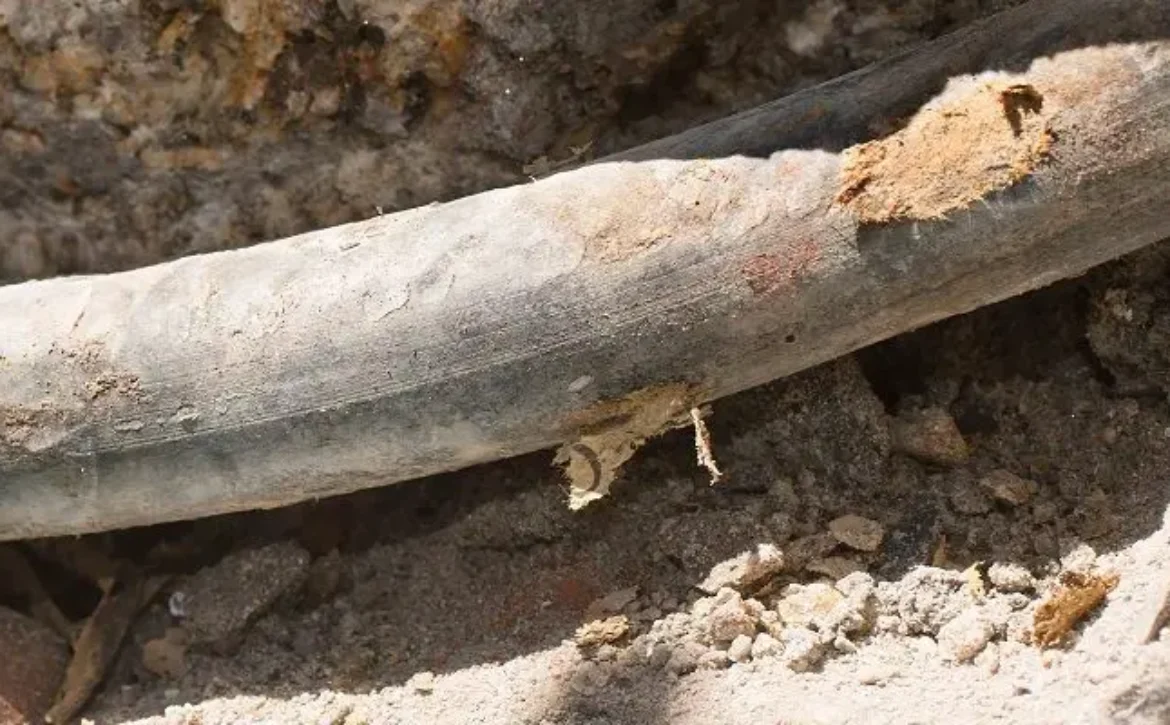
The National Center for Healthy Housing outlines how EPA’s updated Lead and Copper Rule mandates full lead service line replacement within 10 years, lowers the lead action level, and expands public education requirements—highlighting the critical role of public health agencies in community outreach and response.

Engaging landlords and tenants is essential to ensure equitable and effective lead service line replacement, especially in rental properties where children face the greatest risk.

This webinar explores strategies for overcoming the unique challenges of lead service line replacement in rental properties, including legal, logistical, and communication barriers.


