Measuring Up: Grading drinking water quality, affordability, and transparency practices in Allegheny County Water Systems
This report created metrics to rate and grade water systems in Allegheny County with respect to affordability.



This report created metrics to rate and grade water systems in Allegheny County with respect to affordability.

This report is a synthesis of Elevate and other water advocates’ work to understand the scale and scope of water affordability challenges for residents and municipal drinking water utilities, with a specific focus on water debt and shutoffs.
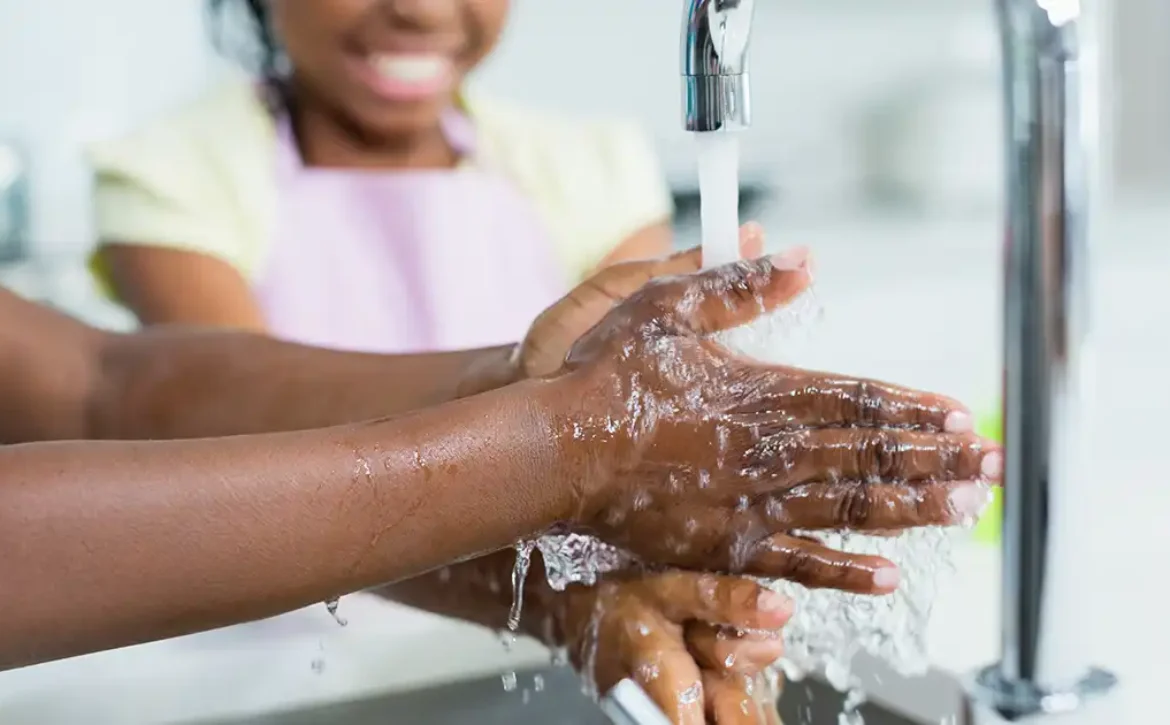
Moonshot examined possible affordability programs in six Michigan communities of various sizes, locations, and income distributions.

This report examined quantitative data on lead service line (LSL) replacements and contextualized it through case studies of five New Jersey water systems.
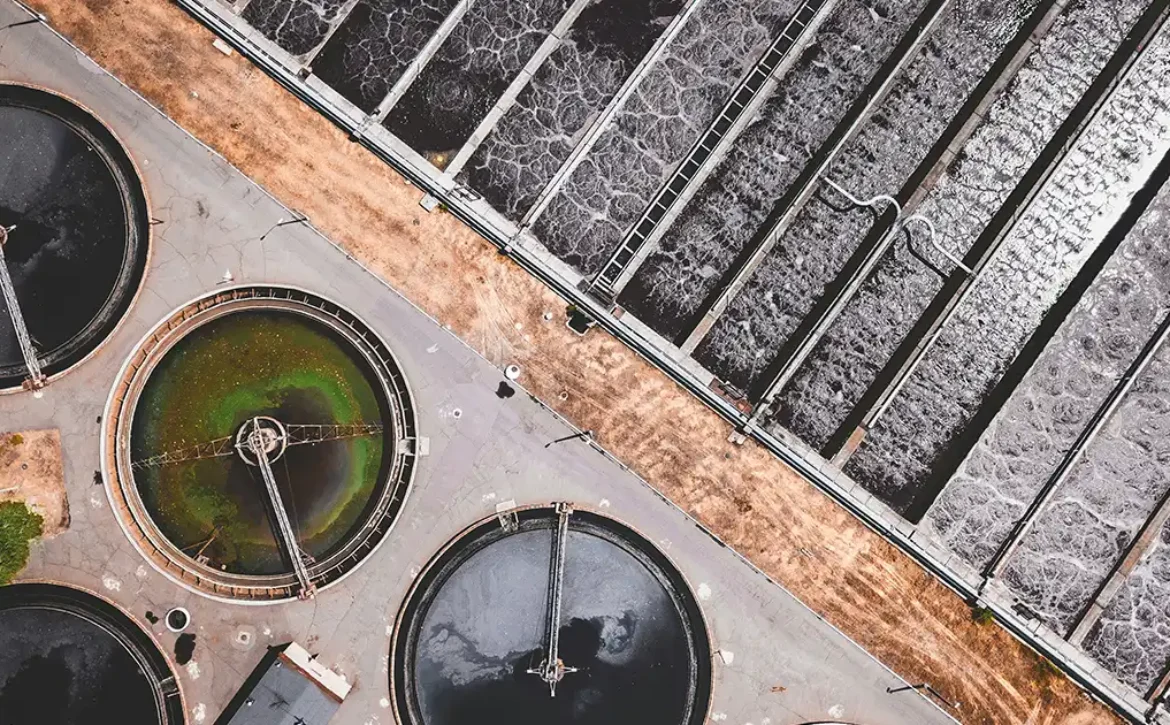
The paper examines how voluntary regional collaboration (e.g., informal cooperation, contractual assistance, joint regional entities, and consolidation) can help strengthen water and wastewater systems serving small and rural communities.
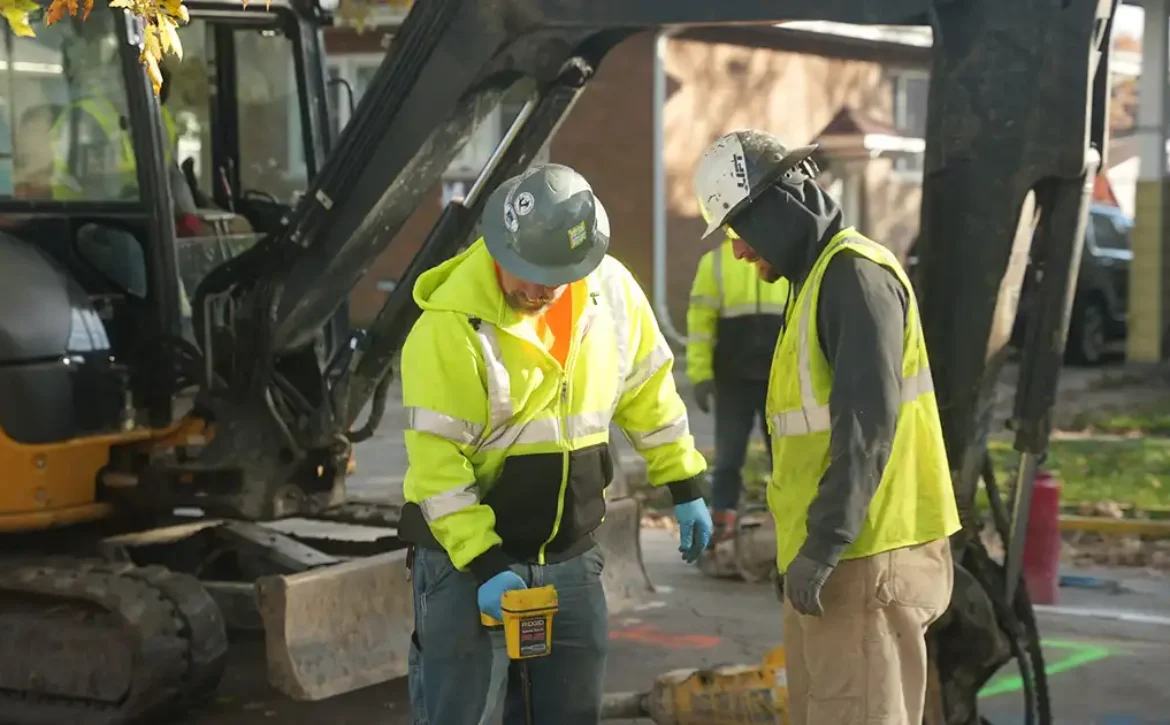
This report explores how LSL replacement can create economic benefits for disinvested and low-income communities in Illinois by creating workforce opportunities.
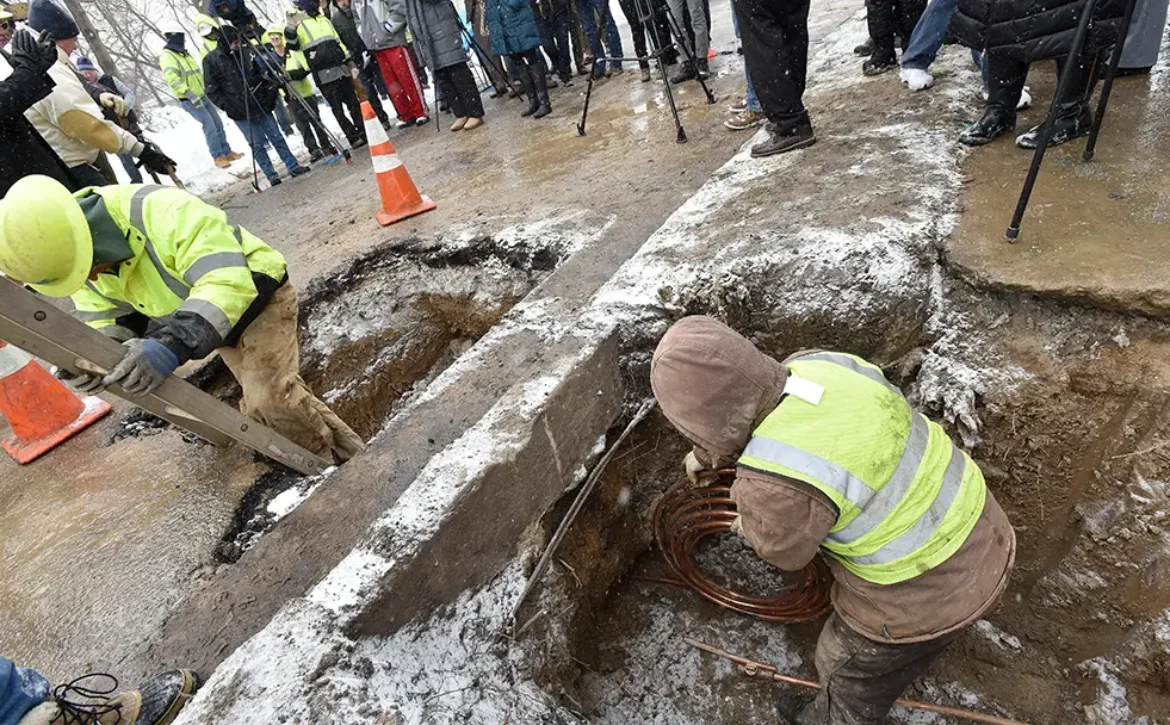
The City of Lansing coordinated LSLR work with Combined Sewer Overflow construction activities.

This report emphasizes that effective resident engagement, marketing, and public education strategies—through clear communication and addressing homeowner concerns—is crucial for overcoming barriers and accelerating lead service line replacement efforts.

This report found that lead pipe replacement programs in Washington, DC disproportionately benefited wealthier, predominantly white neighborhoods, leaving low-income and minority communities at greater risk of lead exposure due to the financial burden of replacing private service lines.

This report highlights lessons from New Jersey’s efforts to accelerate lead service line replacement, offering strategies for utilities and policymakers to overcome challenges and ensure equitable access to safe drinking water.

