
Category: Report

A Balancing Act – Optimizing Payment Schedules in Environmental Pay for Success Contracts

A Balancing Act: Optimizing Payment Schedules in Environmental Pay for Success Contracts

This report analyzes how payment schedules in environmental “Pay for Success” contracts influence project outcomes and offers recommendations to optimize risk-sharing and financial incentives for improved conservation results.


Read More
mrjn-photography-YpZ2cj4s0oo-unsplash

How State Revolving Fund Policies Can Support Equitable Water Workforce Development (pdf)

Six strategies for state administrators to integrate equitable workforce development into State Revolving Fund programs, ensuring that water infrastructure investments create inclusive job opportunities in underserved communities.

Read More
mother-son-filling-glass

Tapping into Success: Strategies for Effective Lead Service Line Replacement Communications

This report offers strategies for effective communication in lead service line replacement programs, emphasizing proactive community engagement to ensure safe and efficient lead pipe removal.

Read More
Leading on Lead

Leading on Lead: Federal and New York State Policies, Funding, and Implementation of Lead Service Line Replacement

This policy brief examines the challenges of replacing lead service lines in New York State, including funding gaps, legal hurdles, and data limitations.

Read More
Lead pipe with water

Rationale for Utilizing Predictive Modeling to Identify Lead Service Lines

New Jersey DEP’s Division of Science and Research examined whether predictive modeling is as effective as other methods to locate lead service lines.

Read More
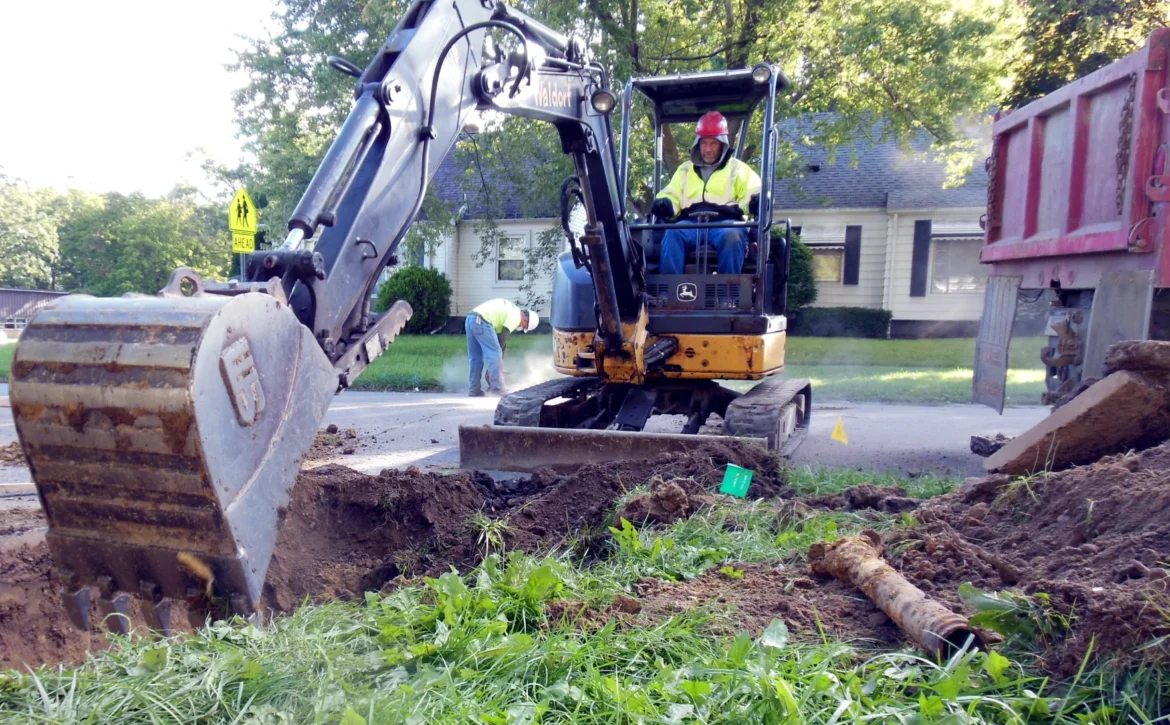
Workers replacing lead pipes in a neighborhood

From the ground up: A guide to replacing the nation’s toxic lead pipes over the next decade

This report provides best practices for lead service line replacement based on lessons learned from the Lead-Free Water Challenge.

Read More
Funding for LSL replacement

Replacing Toxic Lead Pipes Faster: Innovative Procurement and Financing Approaches Are Just as Important as Federal Funding

This report explores how to accelerate lead pipe replacement by applying proven efficiencies and encouraging innovative solutions.

Read More
Water coming out of a faucet

Developing LSL Inventories using Predictive Analysis: A Community Playbook

This playbook provides a framework for collecting data, applying a version of the lead service lines predictive analytics developed by BlueConduit, and public usage ideas for small to medium communities around developing lead pipe service line inventories.

Read More
Increasing State Revolving Fund Capacity through Leveraging

Increasing State Revolving Fund Capacity through Leveraging

This report shows how states can expand water infrastructure funding by leveraging State Revolving Funds through tools like municipal bonds.

Read More
Detroit LSL replacement

Full Lead Service Line Replacements (FLSLR) at Various Locations throughout the City of Detroit WS-721 (Project A)

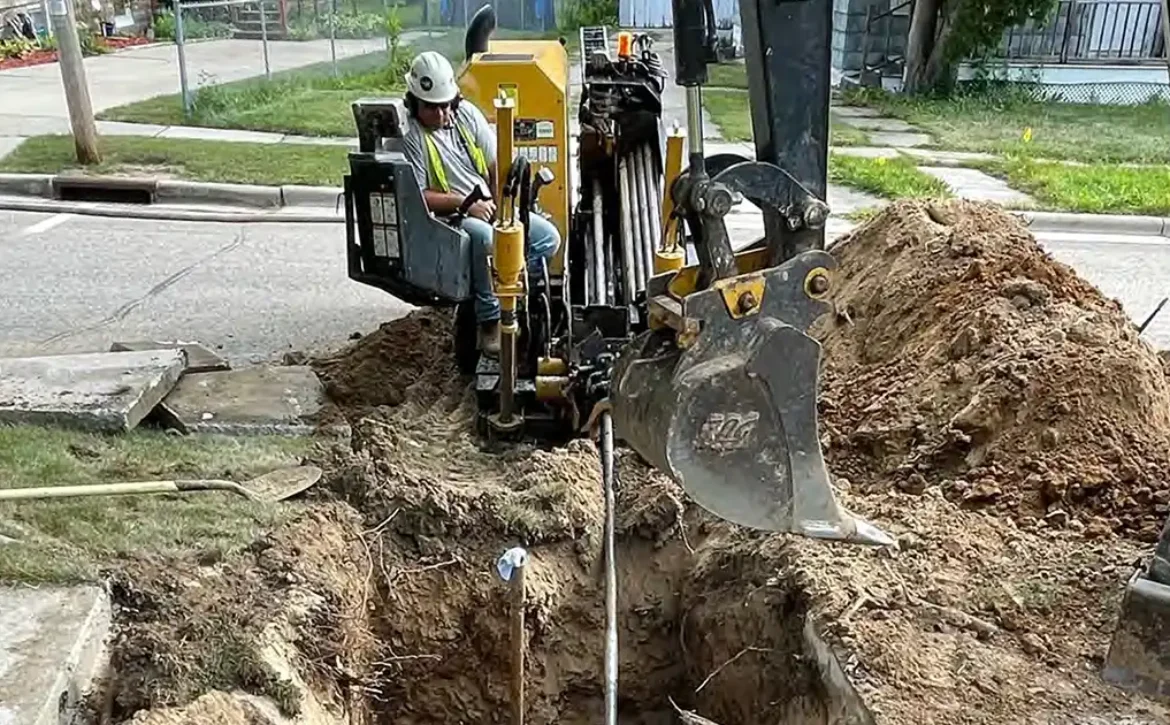
The City of Detroit included options for contractors to use directional boring in their contract giving preference to this method to minimize impacts on customer properties.

Read More

Milwaukee is one of the few cities in the country with a prioritization plan to ensure neighborhoods likely to suffer the most severe impacts from lead poisoning get their pipes replaced first. In consultation with a community-based group, Coalition for Lead Emergency (COLE), and following a public engagement process, Milwaukee included in an ordinance three indicators to prioritize where LSLs will be removed first:

  1. The area deprivation index (ADI), which is a compilation of social determinants of health
  2. The percentage of children found to have elevated lead levels in their blood when tested for lead poisoning
  3. The density of lead service lines in the neighborhood.

Read more here.