What to expect from a lead service line replacement program
Lead service line replacement programs are a collaboration between the utility and customers. This article provides a general overview of replacement programs.



Lead service line replacement programs are a collaboration between the utility and customers. This article provides a general overview of replacement programs.

Examples of the types of outreach materials water utilities need to communicate effectively about LSL replacement.
Learn why building a Lead Service Line (LSL) inventory starts with document digitization and how digitizing records makes the work far more efficient.
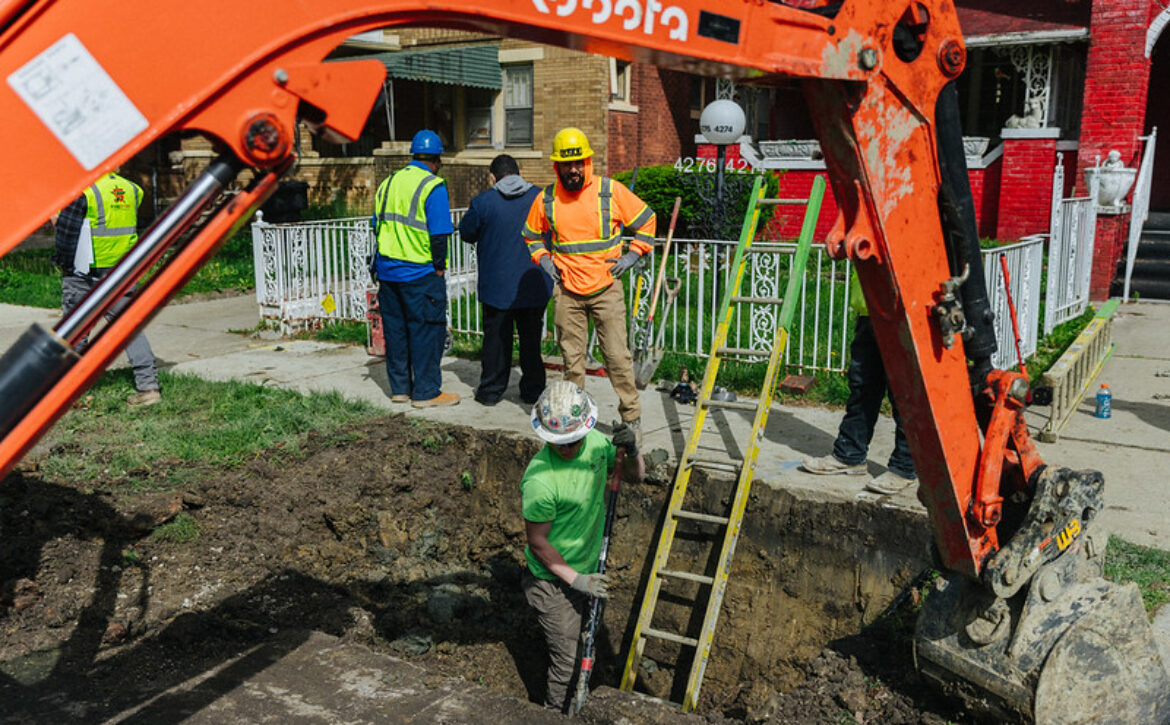
This blog highlights how the Detroit Water and Sewerage Department (DWSD) implemented automatic enrollment policies to effectively engage whole neighborhoods to access properties and accelerate lead service line replacements (LSLR).
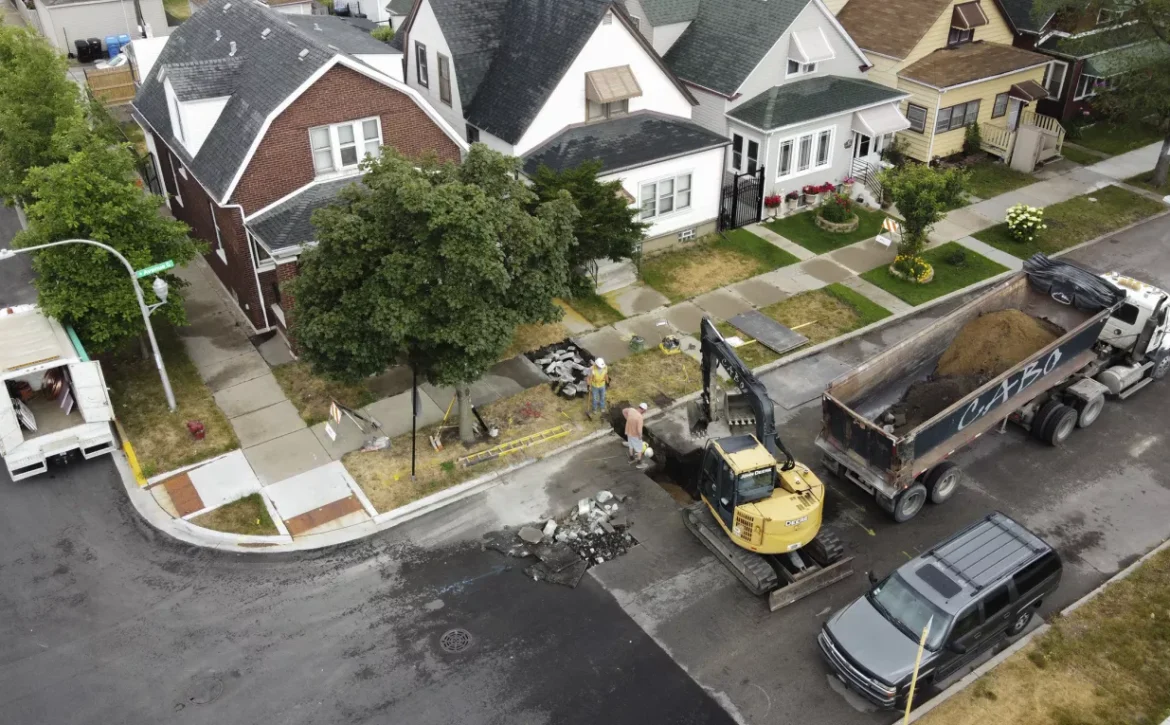
The LSLR Collaborative recently hosted a webina featuring Detroit Water and Sewerage Department (DWSD), Milwaukee Water Works (MWW), and the Environmental Policy Innovation Center (EPIC). The webinar discussed utility strategies for efficiently engaging households and gaining access to private-side lead service lines (LSL) for replacement.
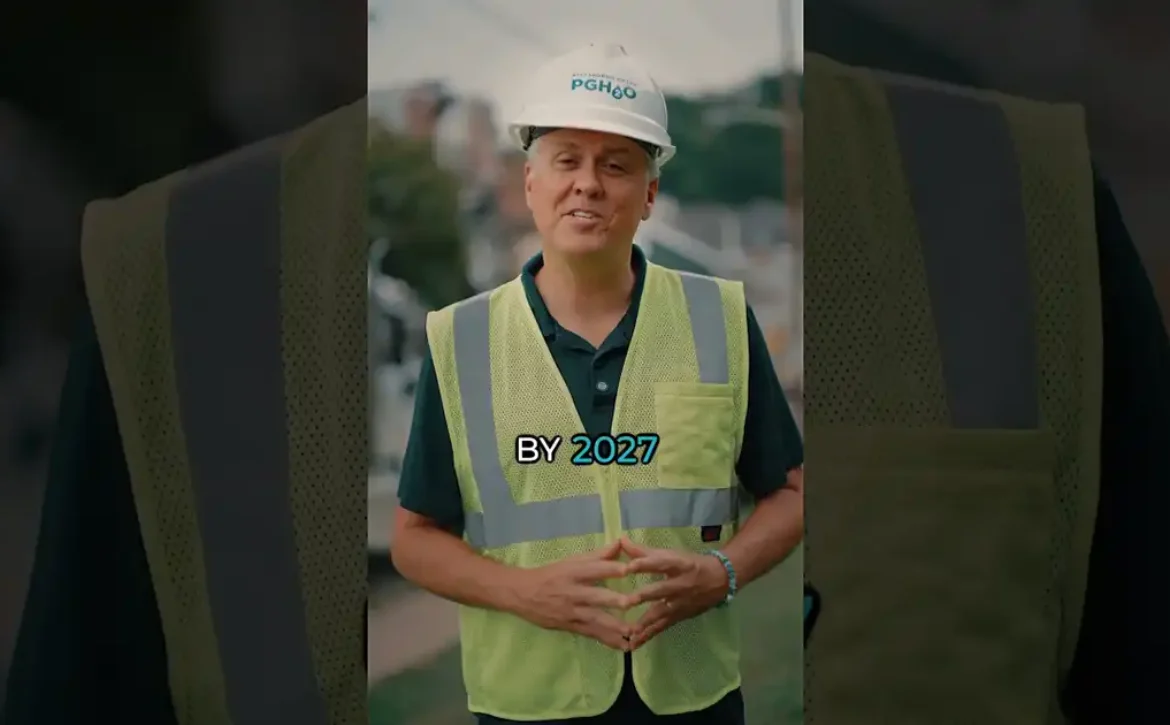
Pittsburgh has transformed a 2016 lead water crisis into a national model, replacing over 13,000 lead service lines with an innovative trenchless method that swaps them for copper, minimizing disruption to homes.
This toolkit provides guidance for bringing about policy change in organizations and communities.
The Building Blocks of Trust Self-Paced Training Series covers the “Foundations of Trust” needed to build those trust-based relationships.

This toolkit provides guidance for partnering to address a common goal.
Best practices for clear communication and effective community outreach around water issues.
