Public Communication & Risk Management for Lead Service Lines
A guide to effectively informing residents about lead risks, building public trust and managing communication strategies.



A guide to effectively informing residents about lead risks, building public trust and managing communication strategies.

Lead service line replacement programs are a collaboration between the utility and customers. This article provides a general overview of replacement programs.

Examples of the types of outreach materials water utilities need to communicate effectively about LSL replacement.
Learn why building a Lead Service Line (LSL) inventory starts with document digitization and how digitizing records makes the work far more efficient.
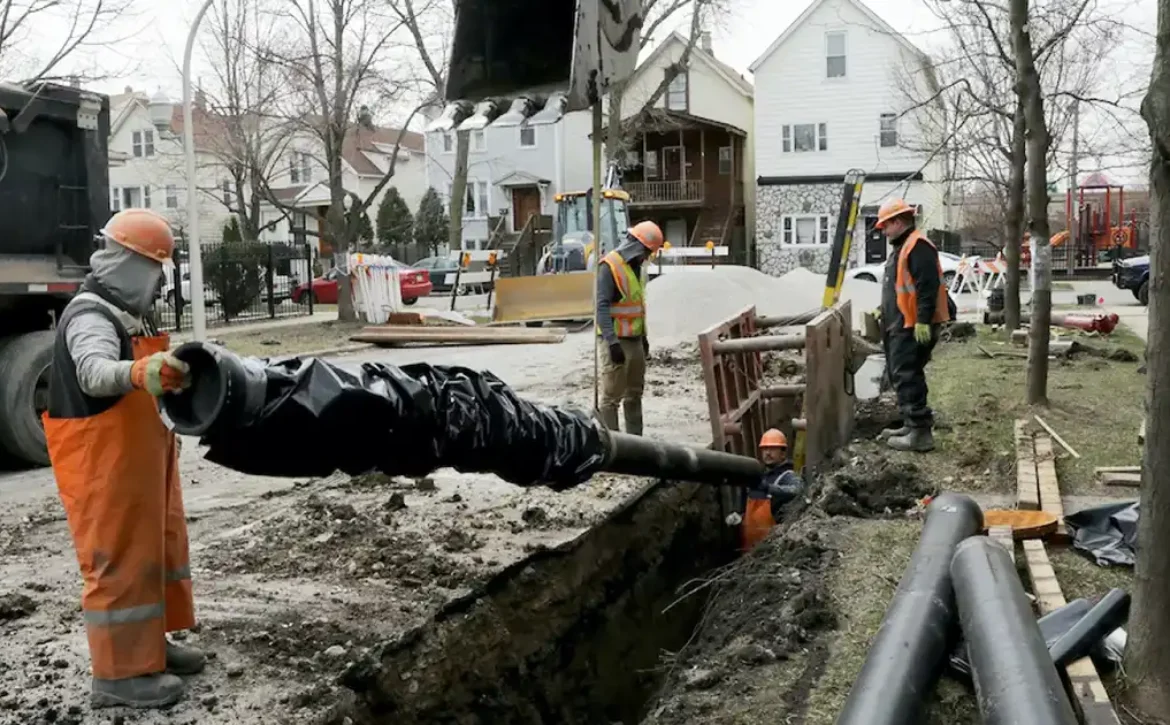
Illinois law requires property owners to grant utilities access for private-side replacement in cities with populations over 1 million or when replacements are offered at no direct cost. The bill also allows any legal occupant to grant access when a property owner is unresponsive.
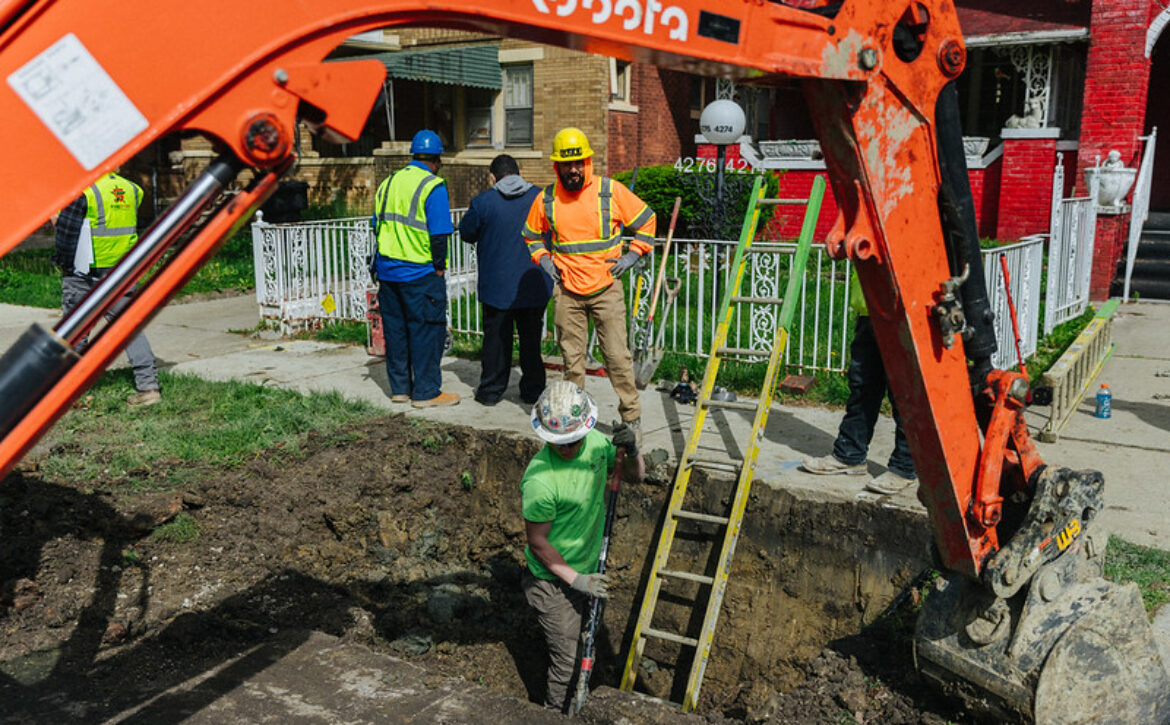
This blog highlights how the Detroit Water and Sewerage Department (DWSD) implemented automatic enrollment policies to effectively engage whole neighborhoods to access properties and accelerate lead service line replacements (LSLR).
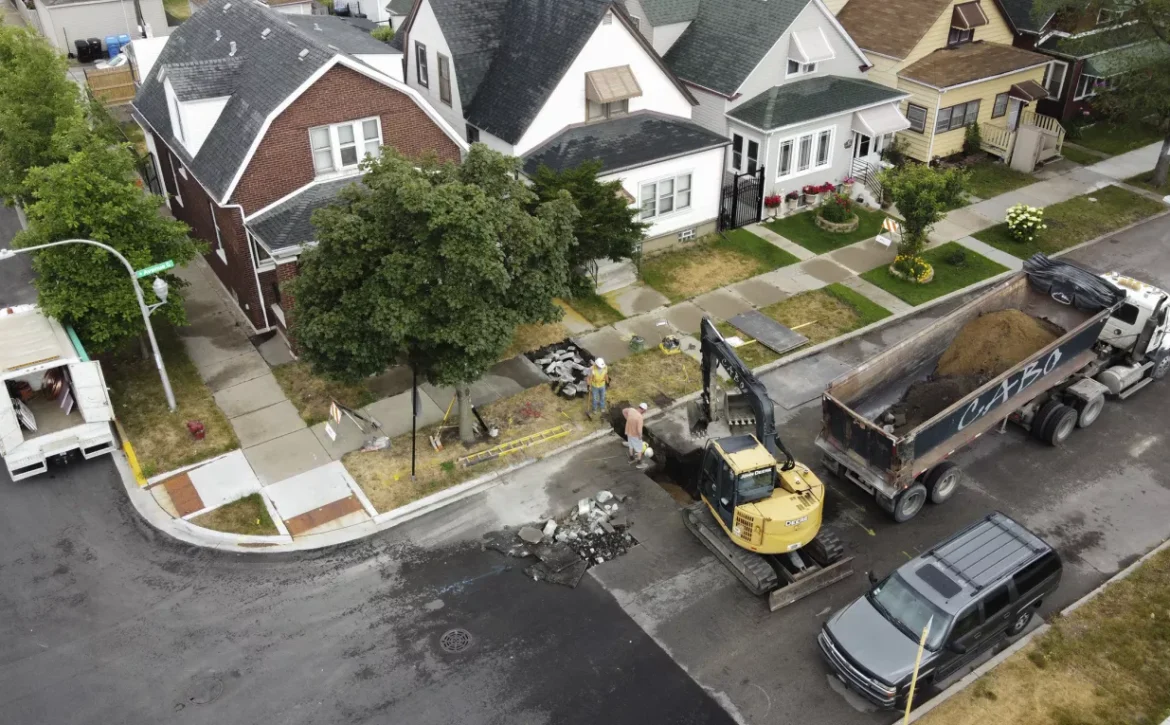
The LSLR Collaborative recently hosted a webina featuring Detroit Water and Sewerage Department (DWSD), Milwaukee Water Works (MWW), and the Environmental Policy Innovation Center (EPIC). The webinar discussed utility strategies for efficiently engaging households and gaining access to private-side lead service lines (LSL) for replacement.
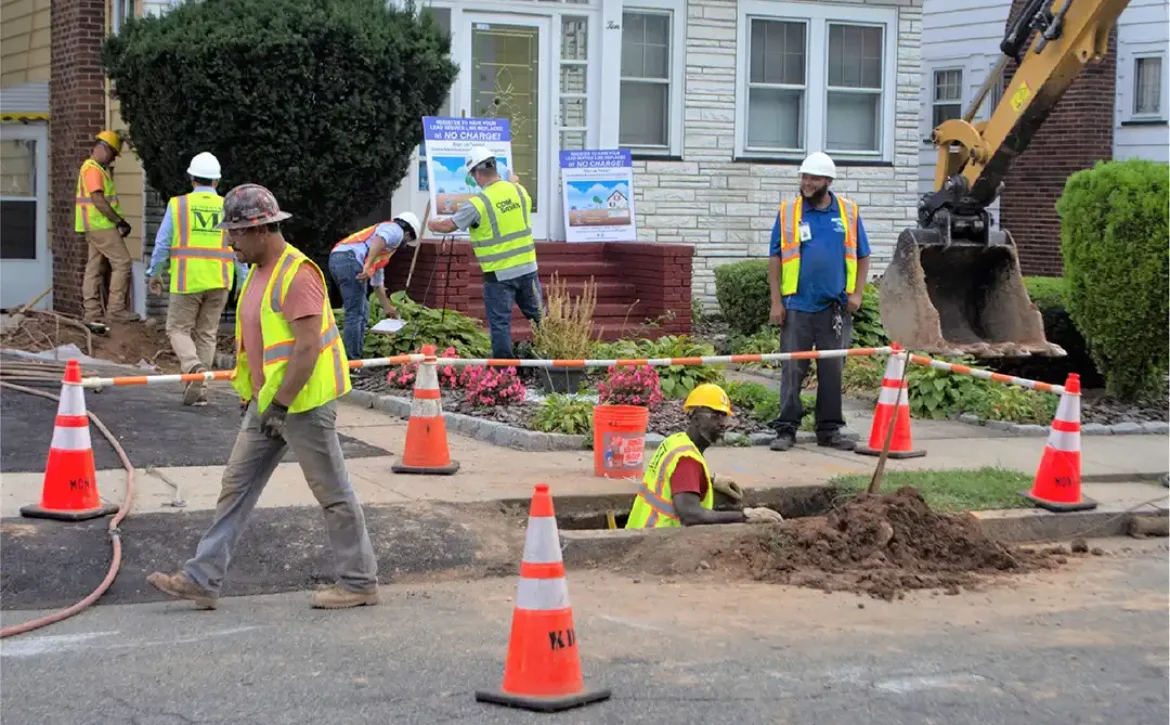
Louisiana law authorizes municipalities to adopt ordinances enabling municipal water systems access to private property to conduct private side replacements with prior notice.
Tennessee law authorizes water utility access to private property to conduct private side replacements.

Virginia law allows water utilities to access private property for LSL inventories
