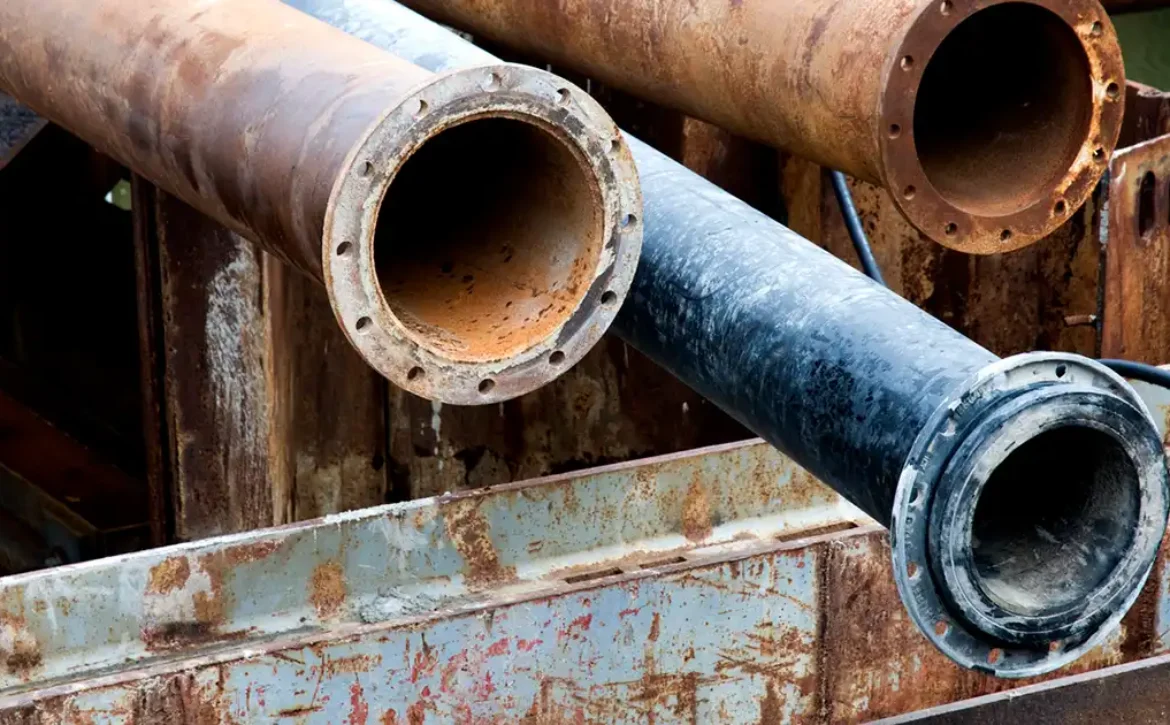
Lead pipe on grass

Stretching the Dollar to Get the Lead Out: Advancing Lead Service Line Programs with Low or No-Cost Policies and Practices

This policy brief highlights low or no-cost policies and practices that have proven successful for many water utilities, and can be replicated in an effort to lower the overall total price tag of lead service line replacement nationwide.

Read More
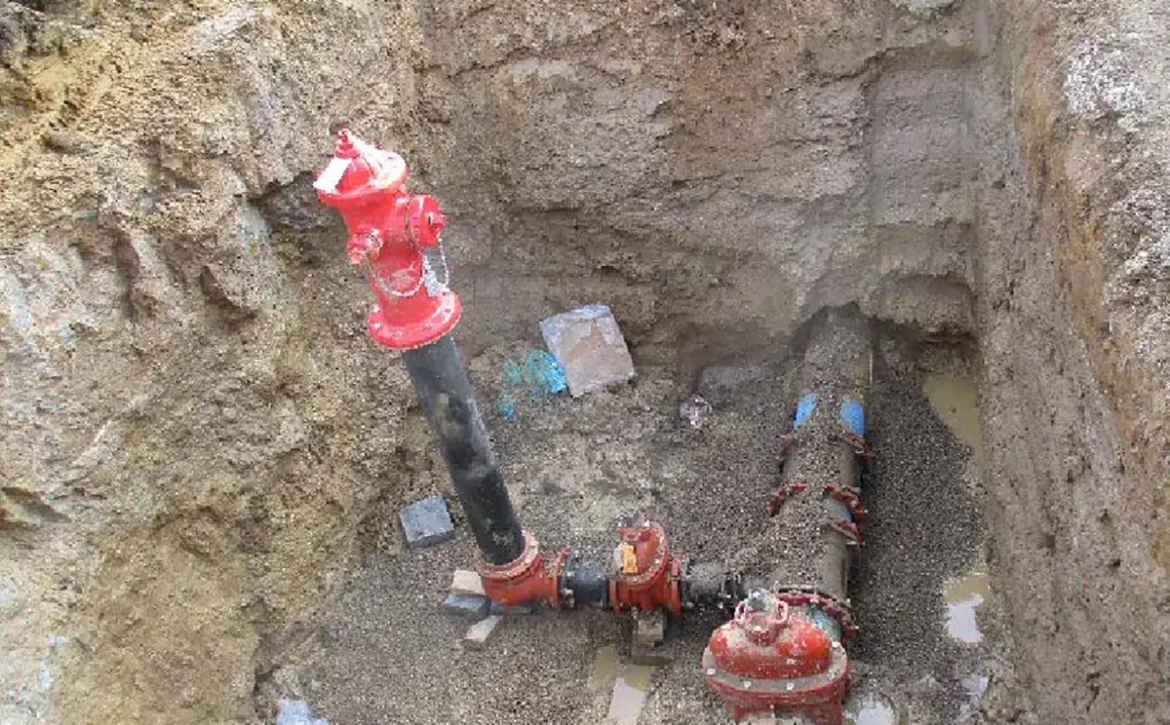
LSL construction site

Elgin saves $1.2M on residential lead pipe removal work thanks to contractor finding more efficiencies

Elgin saved $1.2 million on its 2023 contract to replace lead water service lines, money that will be poured back into the city’s ongoing effort to remove pipelines at about 10,000 homes.

Read More
contact-bg-2

Maximizing the Impact of Bipartisan Infrastructure Law Funding: Operating Principles for Establishing an Efficient and Effective Lead Service Line Replacement Program

This article outlines general principles to maximize available federal funding for lead service line replacement.

Read More
A Balancing Act – Optimizing Payment Schedules in Environmental Pay for Success Contracts

A Balancing Act: Optimizing Payment Schedules in Environmental Pay for Success Contracts

This report analyzes how payment schedules in environmental “Pay for Success” contracts influence project outcomes and offers recommendations to optimize risk-sharing and financial incentives for improved conservation results.

Read More
Water Pipeline Service

Primer for Mayors: “Let’s Get the Lead Out of Our Drinking Water”

This primer highlights how Trenton allowed the use of photographs in lieu of in-person inspections by plumbing code officials (p.18)

Read More
Drinking Water Assistance Fund

Drinking Water Assistance Fund – Program Year 2023 Program Management Plan

Ohio’s SFY23 Intended Use Plan (IUP) set-aside funds 2% of LSLR funds for Technical Assistance to support small systems in complying with the Lead and Copper Rule, including inventory projects (p. 17).

Read More
Funding

Wisconsin Lead Service Line Replacement Program – BIL Funding Amendment to SFY 2023 SDWLP Intended Use Plan

Wisconsin’s SFY23 Intended Use Plan (IUP) made additional financial assistance for inventory available through set-aside funds (p. 1).

Read More
Lead pipes

State of Indiana SFY23 DWSRF IUP – Lead Service Line Replacement Program

The state’s SFY23 Intended Use Plan (IUP) set-aside 10% of LSLR funds for Technical Assistance to complete LSL inventories (p. 8).

Read More
Lead service line inventory

Lead-Free Water Challenge: What We Learned About Data Management and Lead Service Line Inventories

A spotlight on best practices in data management, ranging from building a single source of truth to digitizing records and outlining requirements for effective data management based on learnings from the lead-free water challenge.

Read More
Funding for LSL replacement

Replacing Toxic Lead Pipes Faster: Innovative Procurement and Financing Approaches Are Just as Important as Federal Funding

This report explores how to accelerate lead pipe replacement by applying proven efficiencies and encouraging innovative solutions.

Read More

Milwaukee is one of the few cities in the country with a prioritization plan to ensure neighborhoods likely to suffer the most severe impacts from lead poisoning get their pipes replaced first. In consultation with a community-based group, Coalition for Lead Emergency (COLE), and following a public engagement process, Milwaukee included in an ordinance three indicators to prioritize where LSLs will be removed first:

  1. The area deprivation index (ADI), which is a compilation of social determinants of health
  2. The percentage of children found to have elevated lead levels in their blood when tested for lead poisoning
  3. The density of lead service lines in the neighborhood.

Read more here.