Augustana College students help Port Byron survey its water pipe lines
Port Byron engaged college students to go door-to-door to complete the service line inventory.


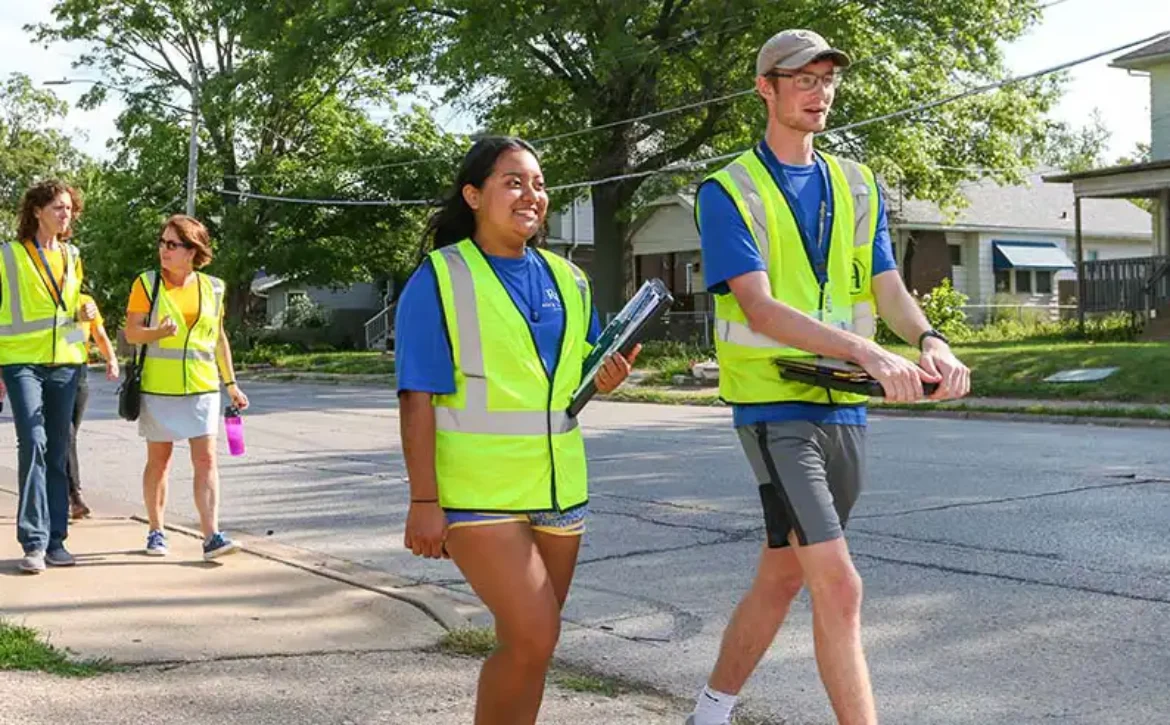
Port Byron engaged college students to go door-to-door to complete the service line inventory.
Indiana’s SFY24 Intended Use Plan (IUP) includes long-term goals to “ensure that the CWSRF Loan Program and its participants comply as required with Disadvantaged Business Enterprise fair share objectives” (p.9) and set-aside funding to support Indiana Water Alliance’s apprenticeship programs (p. 12).
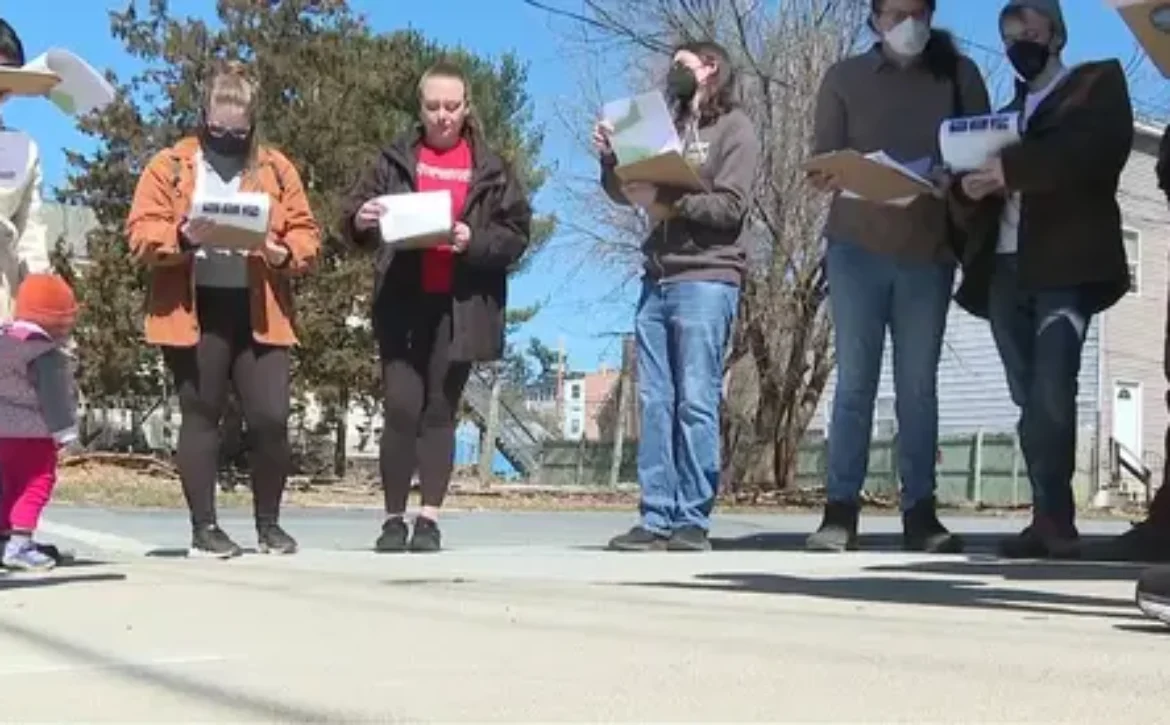
Mayor Carmella Montello along with Rensselaer Polytechnic Institute students went door-to-door canvassing to collect lead service line inventory data.

Delaware’s SFY24 Intended Use Plan (IUP) set-aside funds 2% of the Capitalization Grant to create career pathways for high school students in water distribution, operations, and treatment through pre-apprenticeship programs (p. 14).

New Jersey’s DEP issued guidance on the use of predictive modeling to develop service line inventories.
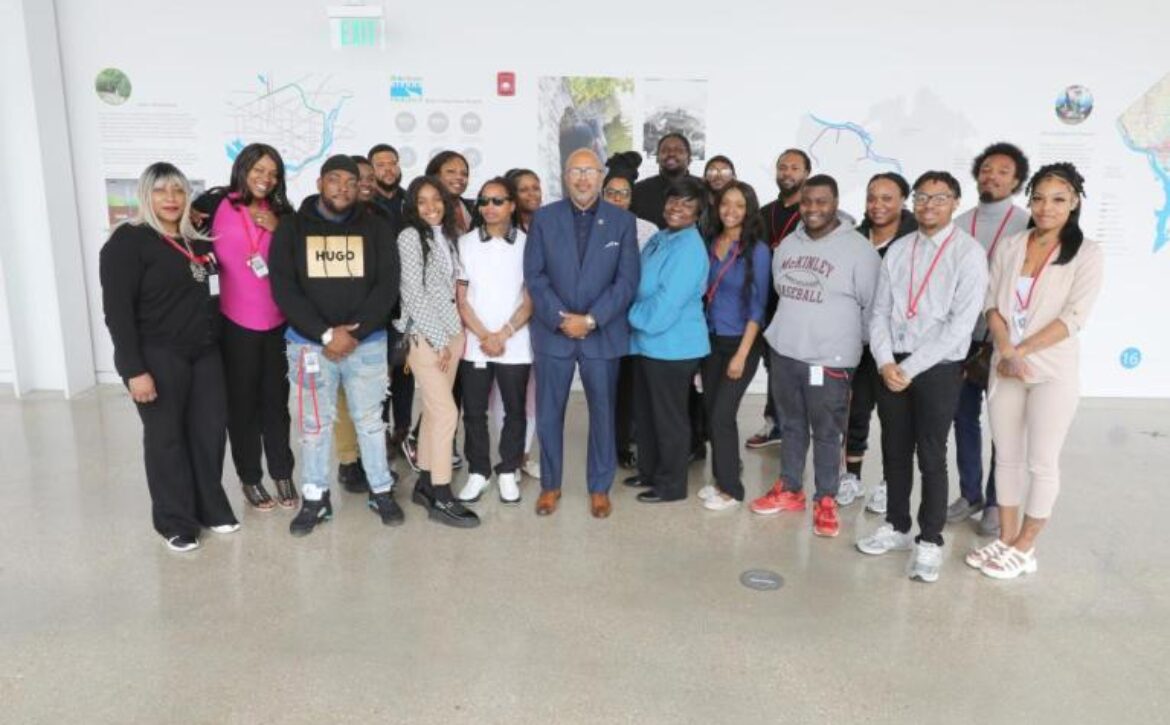
DC Water trained community members to educate and encourage residents and homeowners to participate in the lead pipe replacement program.
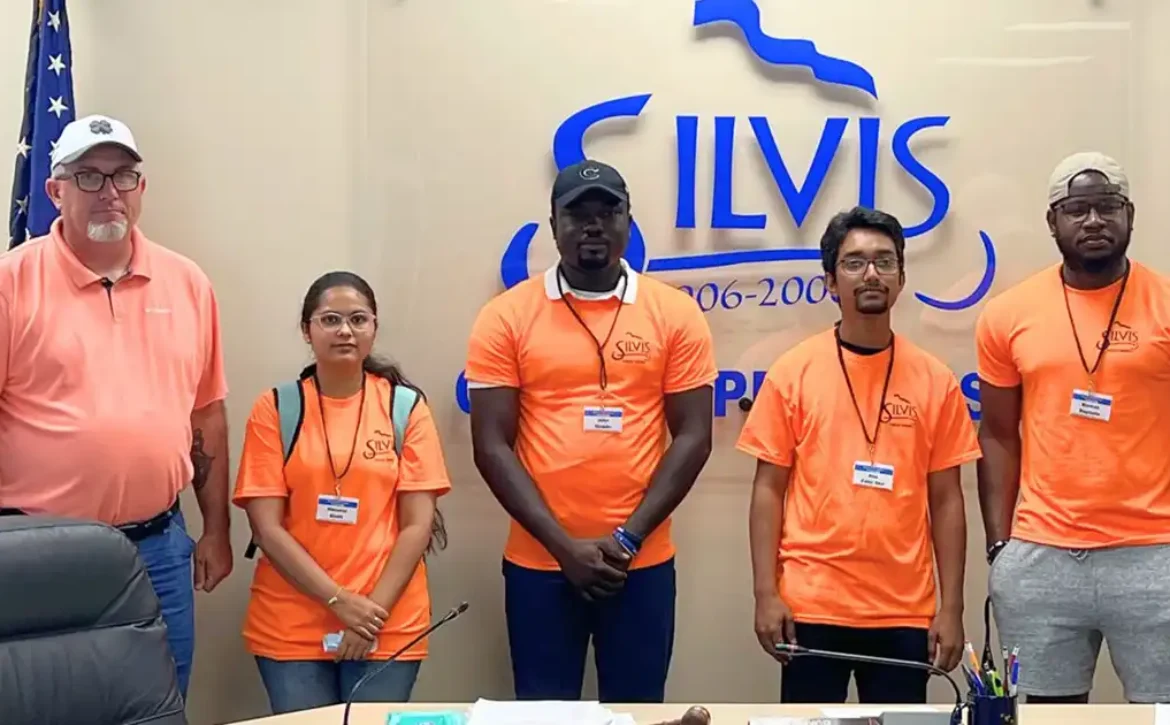
The City of Moline and the City of Silvis, IL, partnered with Western Illinois University to develop a regional partnership for engaging faculty and students in service line material inventories.
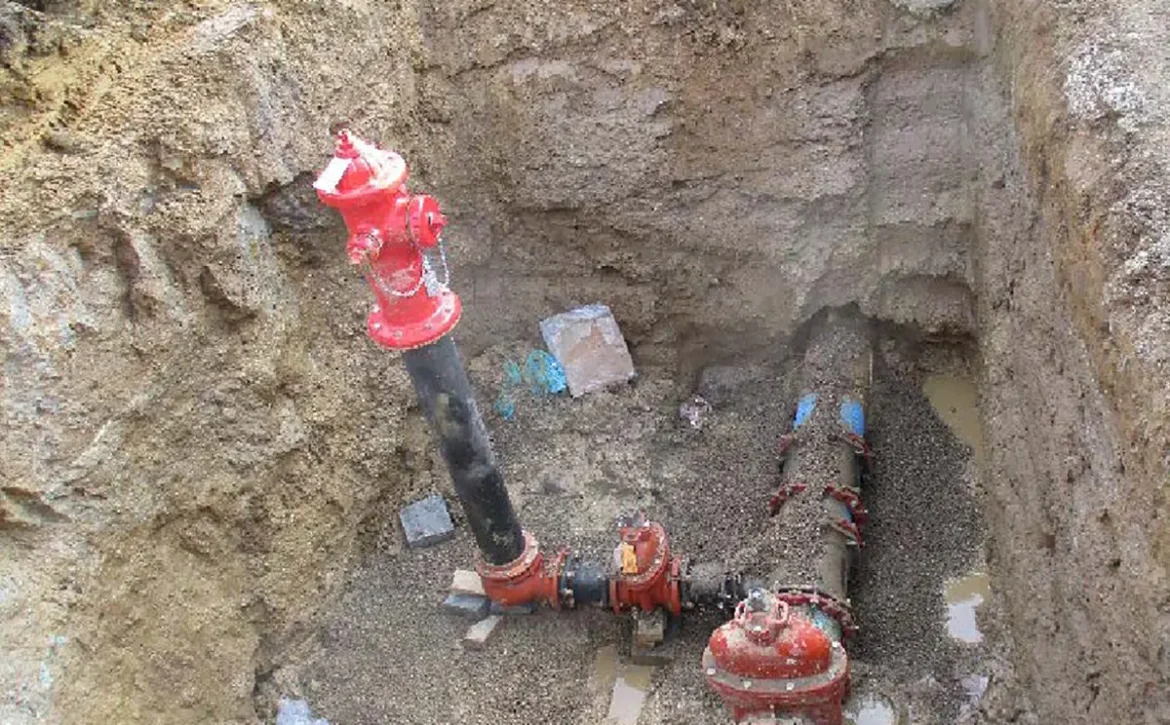
Ohio’s SFY23 Intended Use Plan (IUP) set-aside funds 2% of LSLR funds for Technical Assistance to support small systems in complying with the Lead and Copper Rule, including inventory projects (p. 17).

New Jersey DEP’s Division of Science and Research examined whether predictive modeling is as effective as other methods to locate lead service lines.

Wisconsin’s SFY23 Intended Use Plan (IUP) made additional financial assistance for inventory available through set-aside funds (p. 1).
