Guide to Community Drinking Water Advocacy
A guide to community drinking water advocacy and resources for engaging on local water issues.



A guide to community drinking water advocacy and resources for engaging on local water issues.
Community Water Center launched the Community Water Leaders Network to address systemic exclusion of low-income, rural communities of color in water decision making.
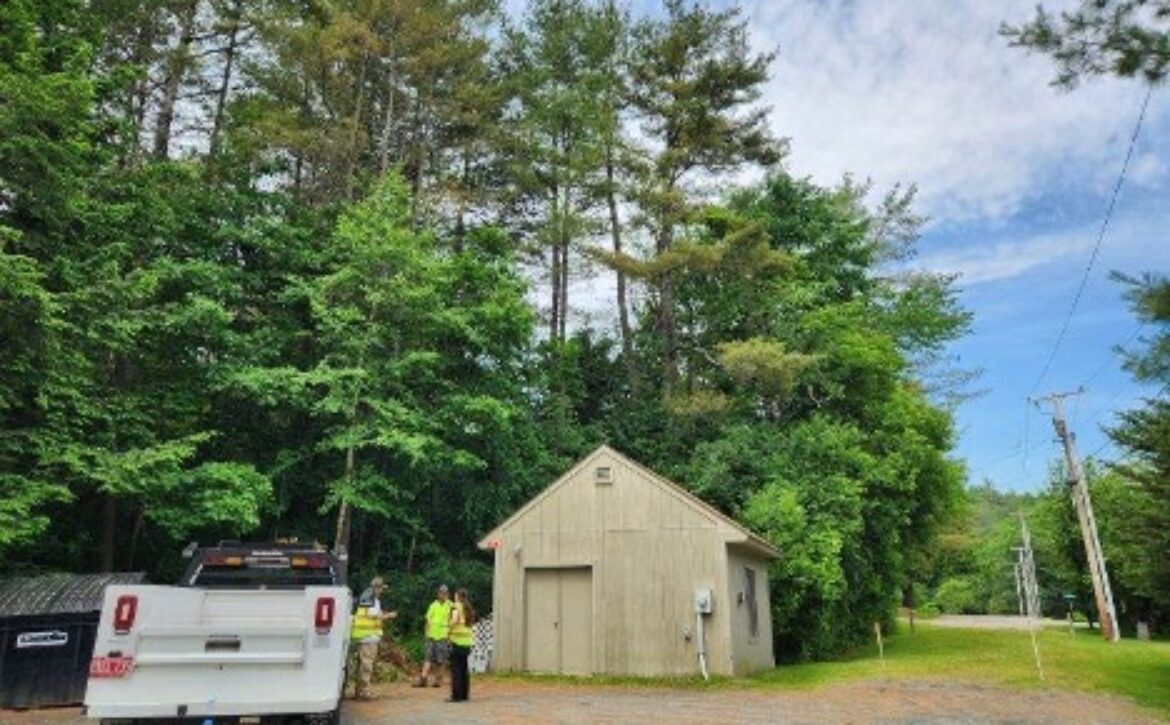
EPIC provided assistance to the Town of Hartford for developing and submitting both Quechee Central and Hartford Water systems’ lead service line (LSL) inventory and replacement plans to comply with the Lead and Copper Rule Revisions (LCRR).
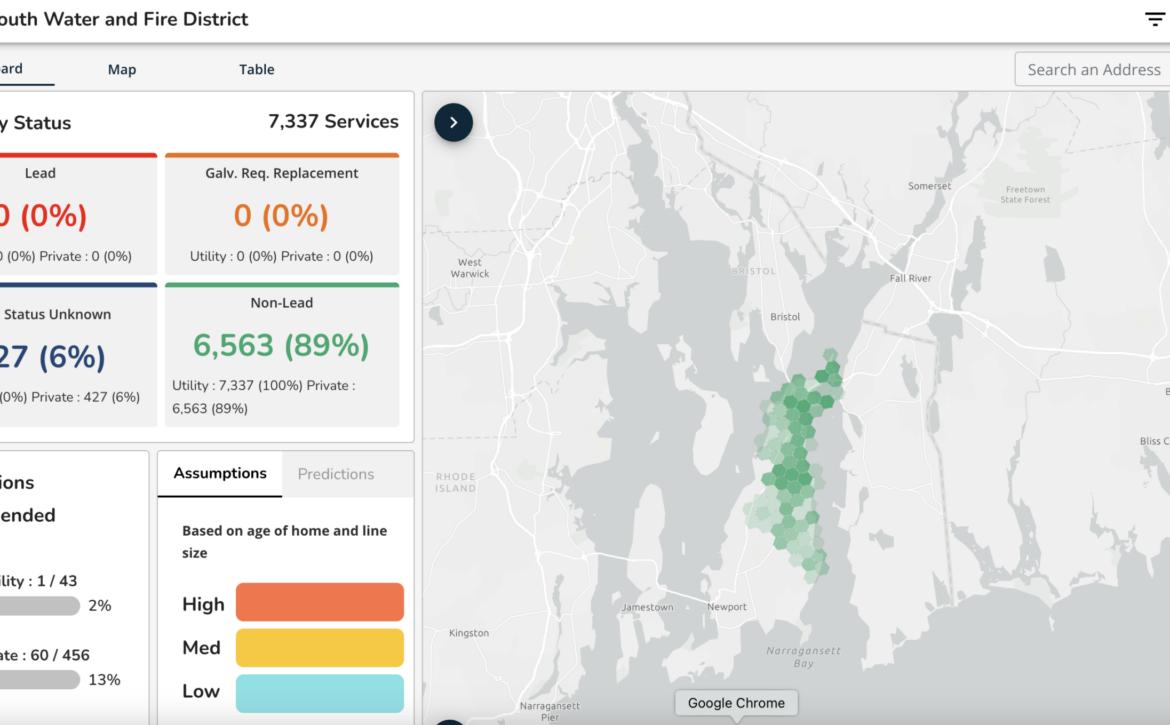
EPIC provided assistance to the Portsmouth Water and Fire District for developing a lead service line (LSL) inventory to comply with the Lead and Copper Rule Revisions (LCRR).

EPIC contracted for and advised on services to develop both consolidated data systems for lead service line (LSL) replacements and field applications to support Chelsea staff during construction activities.
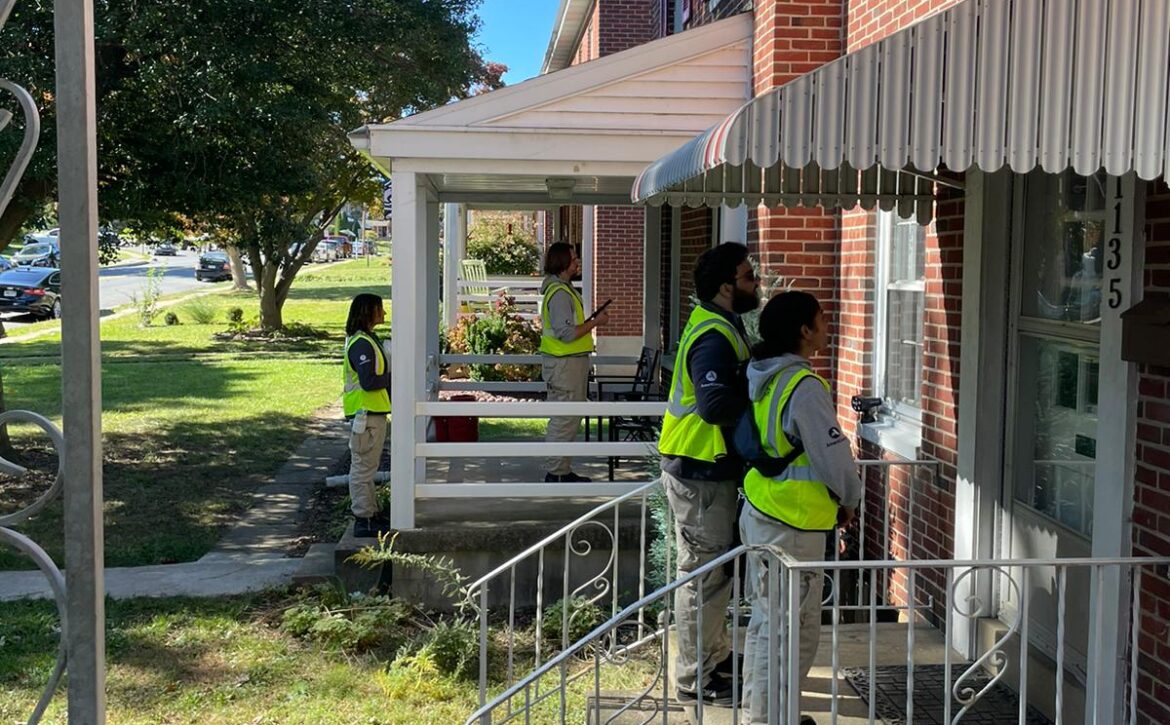
EPIC provided assistance to the City of Lancaster Water Department for developing and submitting a lead service line (LSL) inventory to comply with the Lead and Copper Rule Revisions (LCRR).
EPIC assisted RAWA by developing a data extraction tool to analyze digital customer notes in an effort to inventory and replace lead service lines (LSL) in compliance with the Lead and Copper Rule Revisions (LCRR).
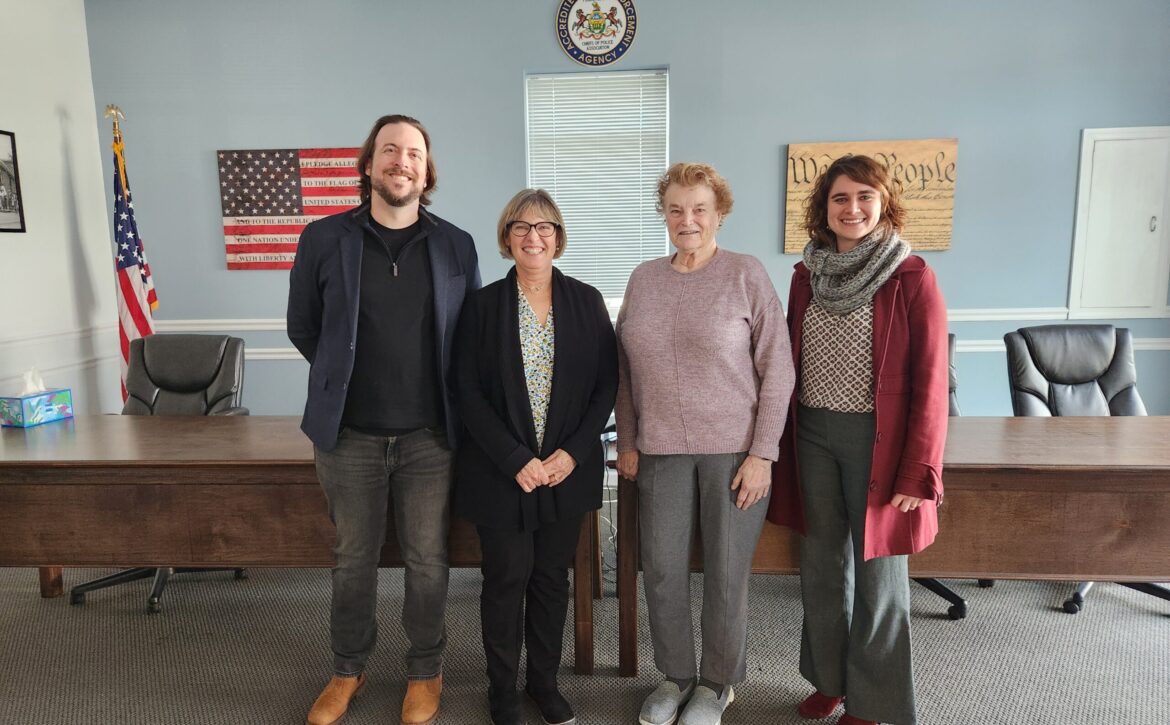
EPIC assisted Avondale, PA with performing their LSL inventory customer outreach in English and Spanish by contracting with The Garage, a community youth organization.

The City of Baltimore is leveraging in-pipe lead detection methods to identify lead service lines in their distribution system.
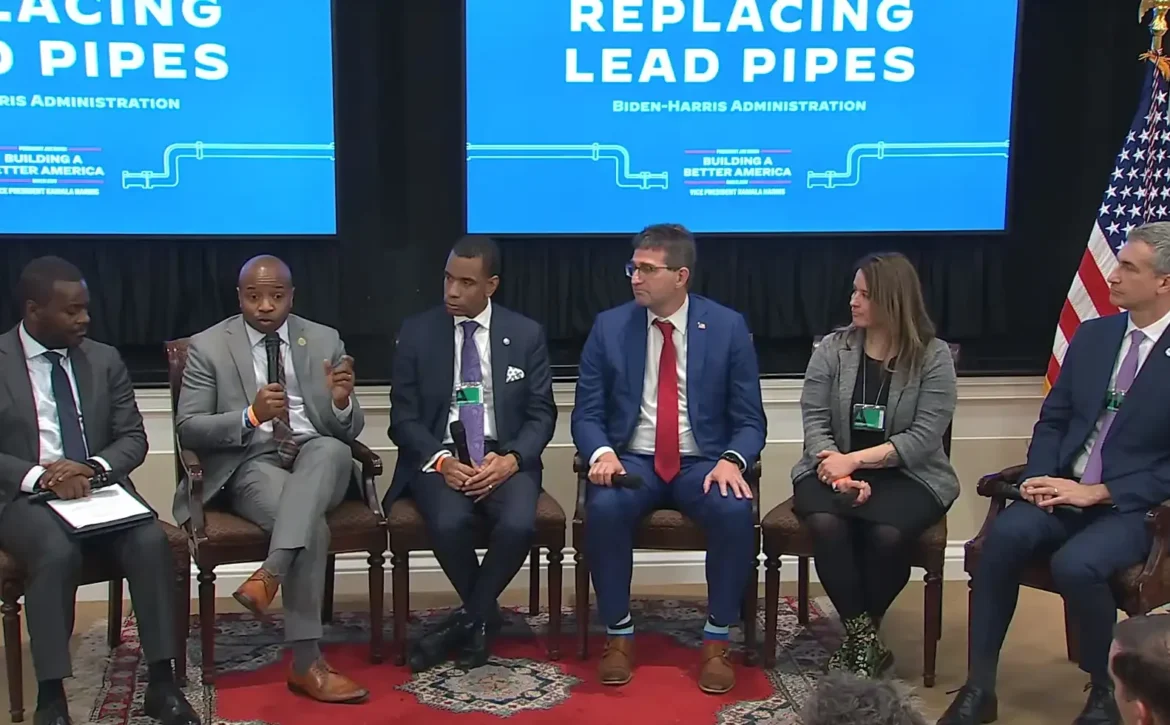
The Great Lakes Lead Pipes Partnership, a first-of-its-kind mayor-led partnership designed to create shared learnings and replicate successes.


