Category: Initiative

Construction worker rolling out a copper pipe

Lead FAQs: When can I get my lead service line replaced?

Greater Cincinnati Water Works collaborated with the University of Cincinnati to develop a Prioritization model.

Read More
375_250-0125_hopeworks

A New Era For Water Management: Harnessing GIS Innovations And Collaboration For A Resilient Future

Hopeworks equips interns with the skills to develop models, analyze data, and create visualizations, to support water utilities in need of technical support with service line inventory and replacement projects.

Read More
Texas SmartBuy Membership Program

Texas SmartBuy Membership Program

A service from the Texas Comptroller’s office, the state purchasing cooperative promotes best value procurements through state contract usage at the local level.

Read More
DC Water

DC Water and the District Department of Employment Services Launch the Lead Free DC Community Activators Program

DC Water trained community members to educate and encourage residents and homeowners to participate in the lead pipe replacement program.
Read More
Construction workers in the street replacing lead service lines

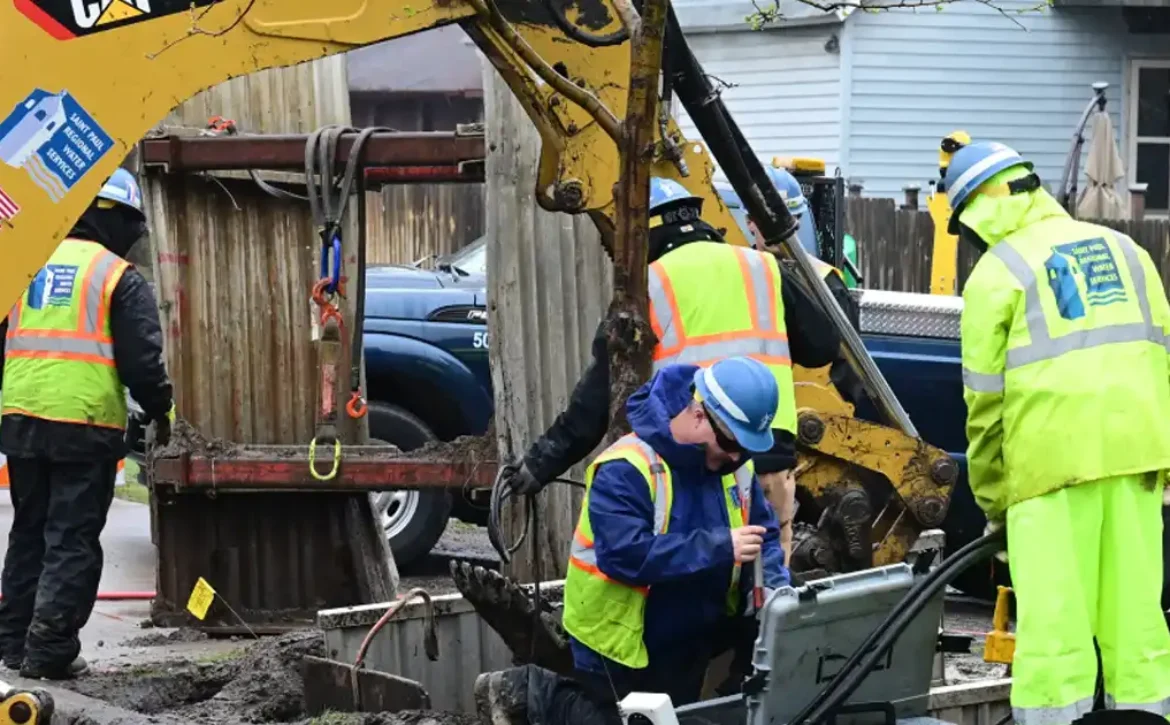
St. Paul Regional Water hires 30 new employees to speed lead line replacement

St. Paul Regional Water hires 30 new employees to speed lead line replacement and has grown its workforce by at least 10% to meet the growing need to expand their lead service line replacement program.

Read More
Service line warranties

Akron, Service Line Warranties of America to offer residents water line warranties

The City of Akron partnered with Service Line Warranties of America to offer service line warranties for LSLs.

Read More

Milwaukee is one of the few cities in the country with a prioritization plan to ensure neighborhoods likely to suffer the most severe impacts from lead poisoning get their pipes replaced first. In consultation with a community-based group, Coalition for Lead Emergency (COLE), and following a public engagement process, Milwaukee included in an ordinance three indicators to prioritize where LSLs will be removed first:

  1. The area deprivation index (ADI), which is a compilation of social determinants of health
  2. The percentage of children found to have elevated lead levels in their blood when tested for lead poisoning
  3. The density of lead service lines in the neighborhood.

Read more here.