Information for Utilities on Lead Service Replacement

Information for Utilities on Lead Service Replacement

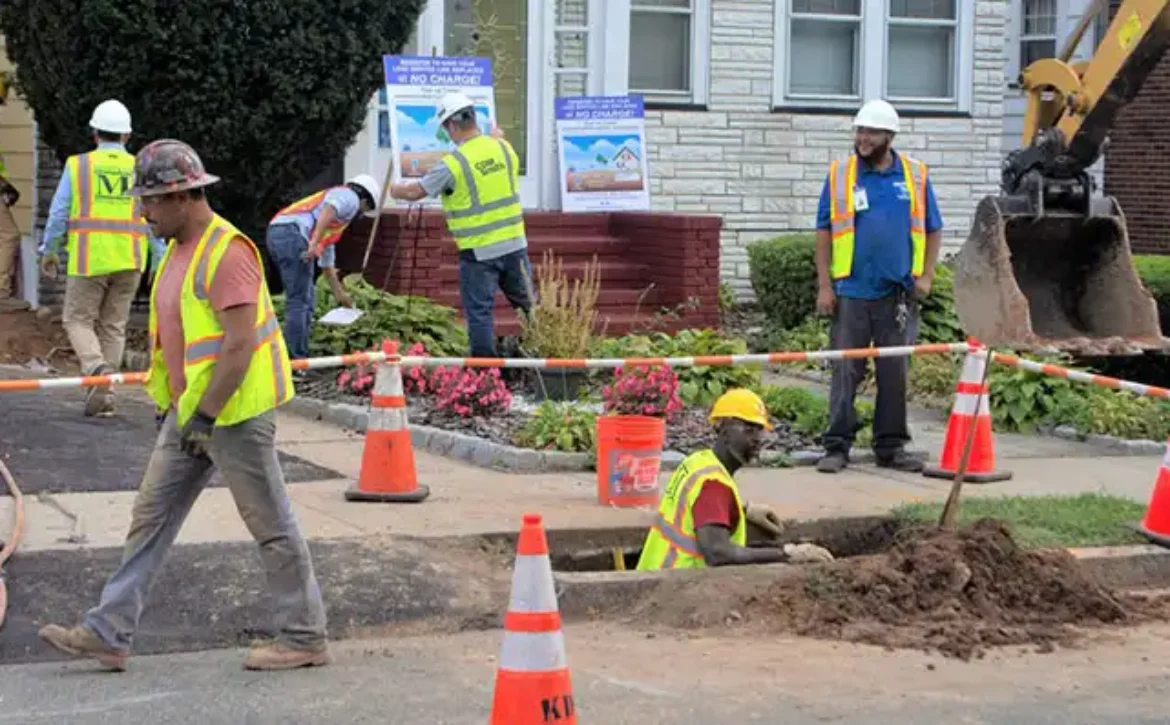
Madison, WI replaced all lead service lines (private and public), using a program that reimbursed customers up to a fixed amount. Reimbursements were funded with revenue water tower antenna rental revenue.

Read More
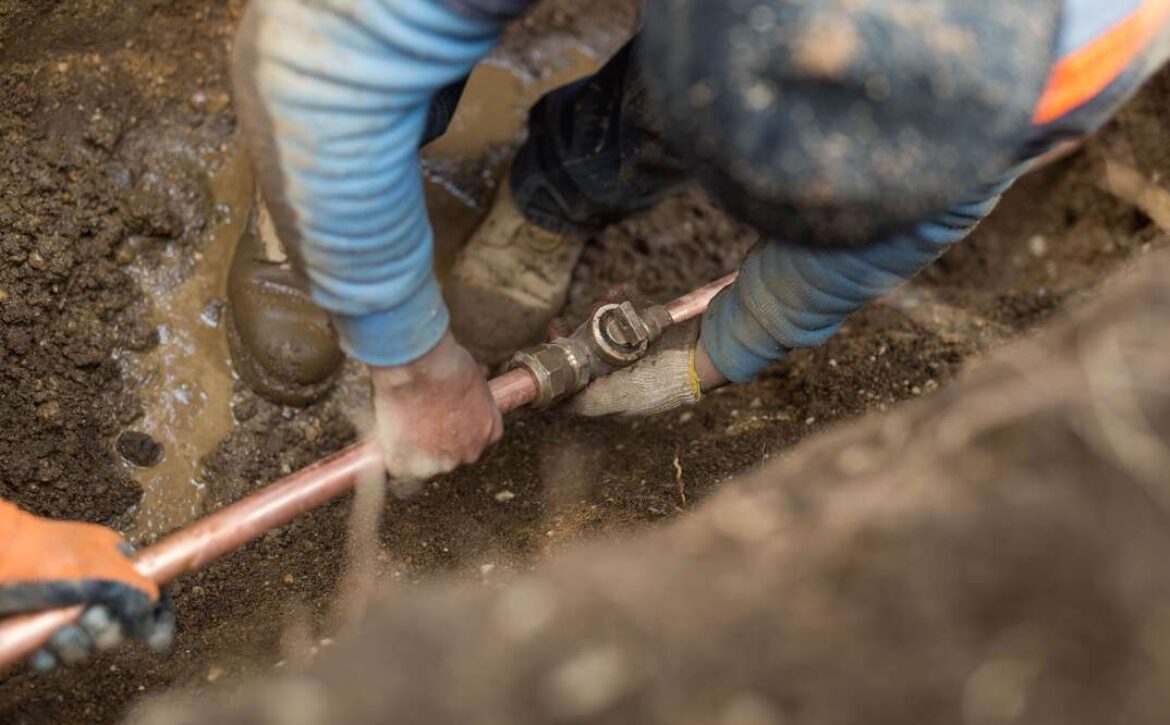
Plumber inspecting water pipes

Line Replacement Reimbursement Program

Pittsburgh Water has a reimbursement program where households that voluntarily and proactively replaced private service lines are eligible for a reimbursement or stipend offsetting upfront replacement costs. Subsidies in the program are available for income-qualified residents; however, all customers can receive a $1000 stipend.

Read More
Guidance

Drinking Water State Revolving Fund Grant Application Bootcamp

This tool allows utilities to assess the business case for implementing a discount program for low-income customers to help provide safe and affordable water and sanitation to everyone in their communities.

Read More
Guidance

Tapping into Lead Service Line Funding Opportunities

Explore a list of funding and financing resources utilities can consider to fund lead service line replacement.

Read More
Guidance

Drinking Water 123: Finance Your System

Best practices in setting fair and viable water rates, and options for utilities to finance capital improvement projects to ensure your community’s drinking water system remains safe and sustainable.

Read More
EPA Water Technical Assistance

Water Technical Assistance (WaterTA)

EPA’s Water TA connects communities to experts who help assess and implement solutions for their drinking water, sewage, and stormwater needs, including LSLR.

Read More
Federal funding

Environmental Finance Centers

EPA has selected 29 Environmental Finance Centers (EFCs) to deliver targeted technical assistance to local governments, states, Tribes, Territories, and non-governmental organizations to protect public health and safeguard the environment. Under the Infrastructure Investment and Jobs Act, the selected EFCs will help communities access federal funding for water infrastructure improvements.

Read More
Tools & Guides Calculator

LCRI Compliance Timeline Calculator

Use our calculator to determine if your water system is eligible for a deferral under the current Lead and Copper Rule Improvements.

Read More
Area Deprivation Index

A data-driven approach to prioritize neighborhoods for LSLR

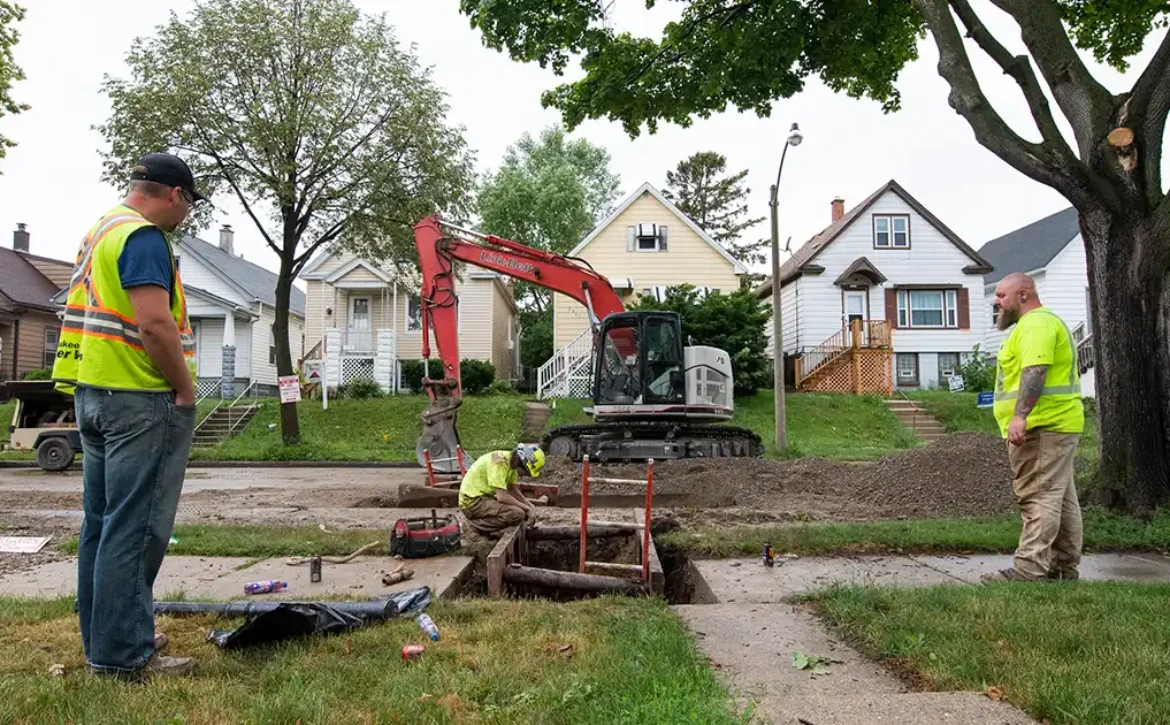
Milwaukee uses an Area Deprivation Index to prioritize neighborhoods for LSLR.

Read More
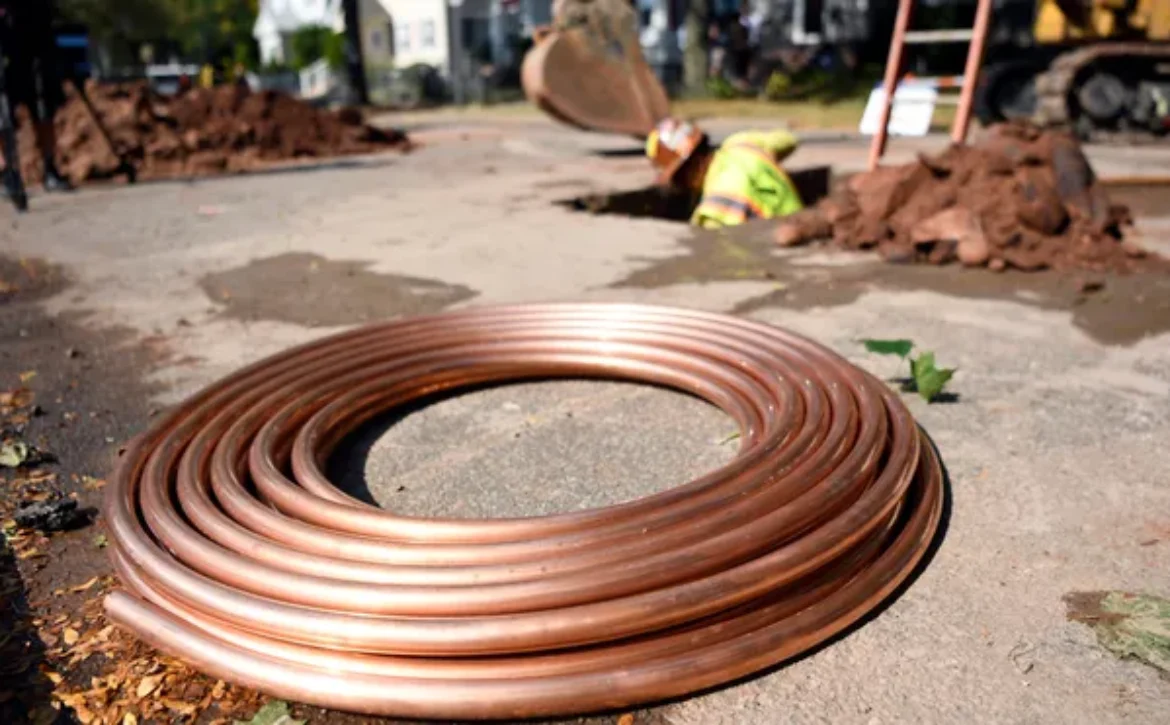
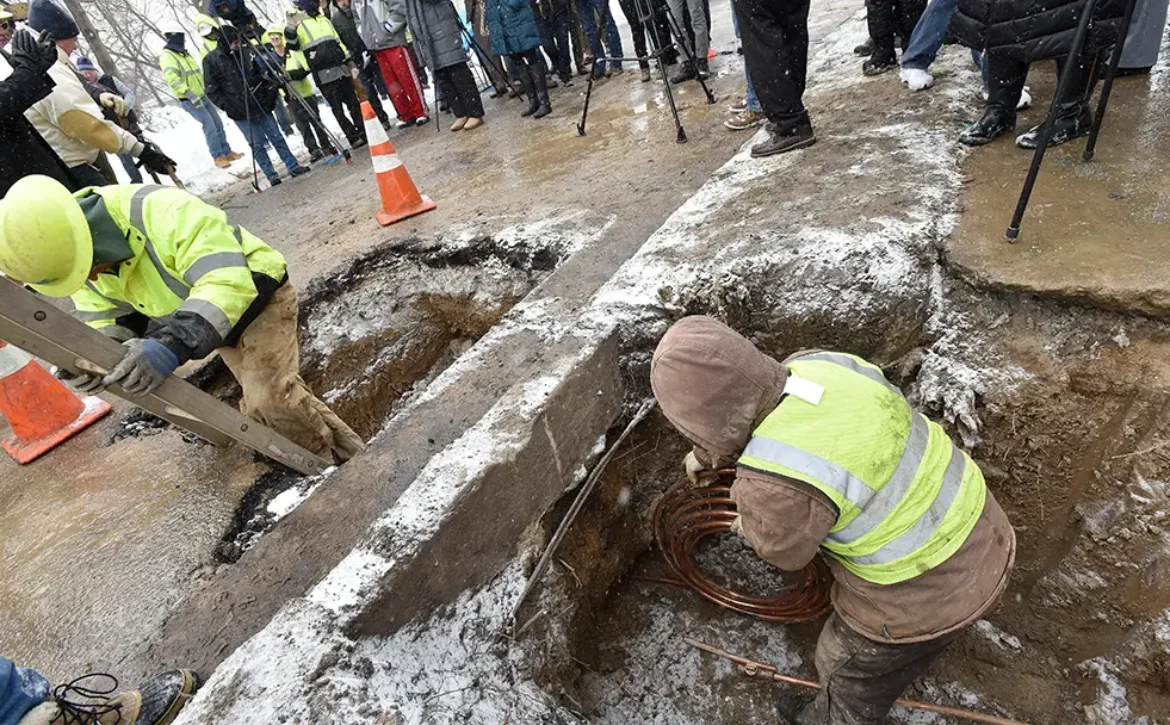
Construction worker rolling out a copper pipe

Lead FAQs: When can I get my lead service line replaced?

Greater Cincinnati Water Works collaborated with the University of Cincinnati to develop a Prioritization model.

Read More

Milwaukee is one of the few cities in the country with a prioritization plan to ensure neighborhoods likely to suffer the most severe impacts from lead poisoning get their pipes replaced first. In consultation with a community-based group, Coalition for Lead Emergency (COLE), and following a public engagement process, Milwaukee included in an ordinance three indicators to prioritize where LSLs will be removed first:

  1. The area deprivation index (ADI), which is a compilation of social determinants of health
  2. The percentage of children found to have elevated lead levels in their blood when tested for lead poisoning
  3. The density of lead service lines in the neighborhood.

Read more here.