State of Indiana Drinking Water SRF Lead Service Line Replacement Program Intended Use Plan SFY 2023
Indiana’s SRF program offered 0% interest rates for lead service line replacement projects (p. 9).


Indiana’s SRF program offered 0% interest rates for lead service line replacement projects (p. 9).
The state’s SFY23 Intended Use Plan (IUP) set-aside 10% of LSLR funds for Technical Assistance to complete LSL inventories (p. 8).
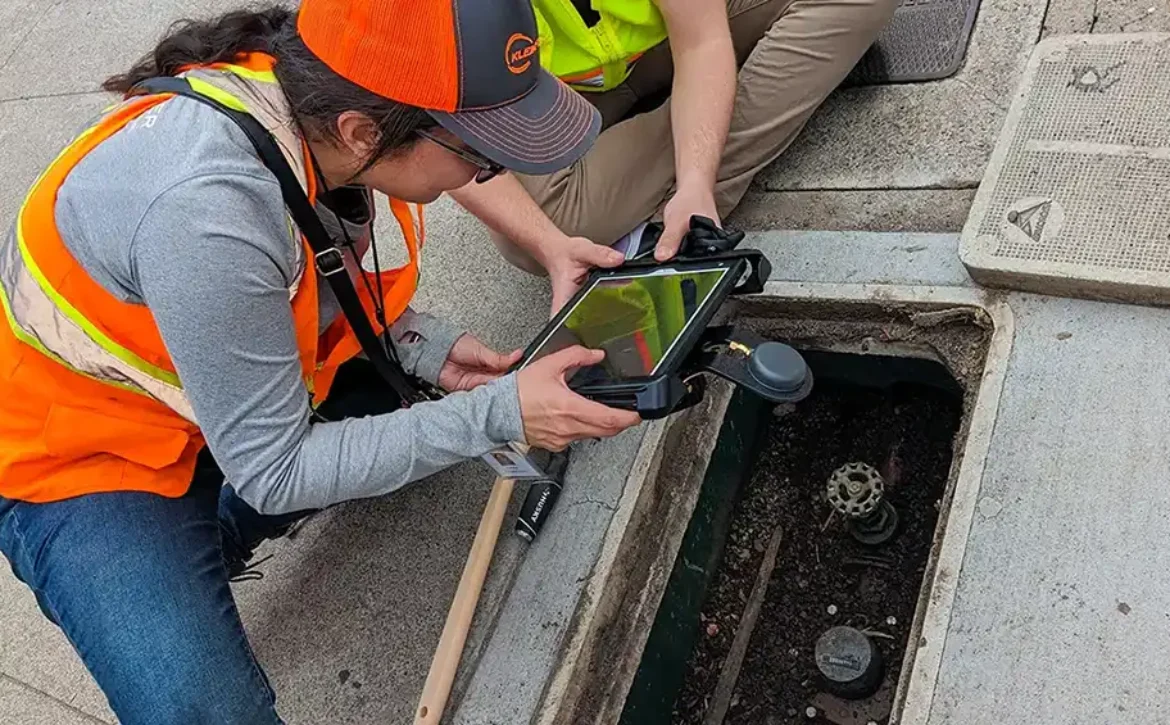
A spotlight on best practices in data management, ranging from building a single source of truth to digitizing records and outlining requirements for effective data management based on learnings from the lead-free water challenge.
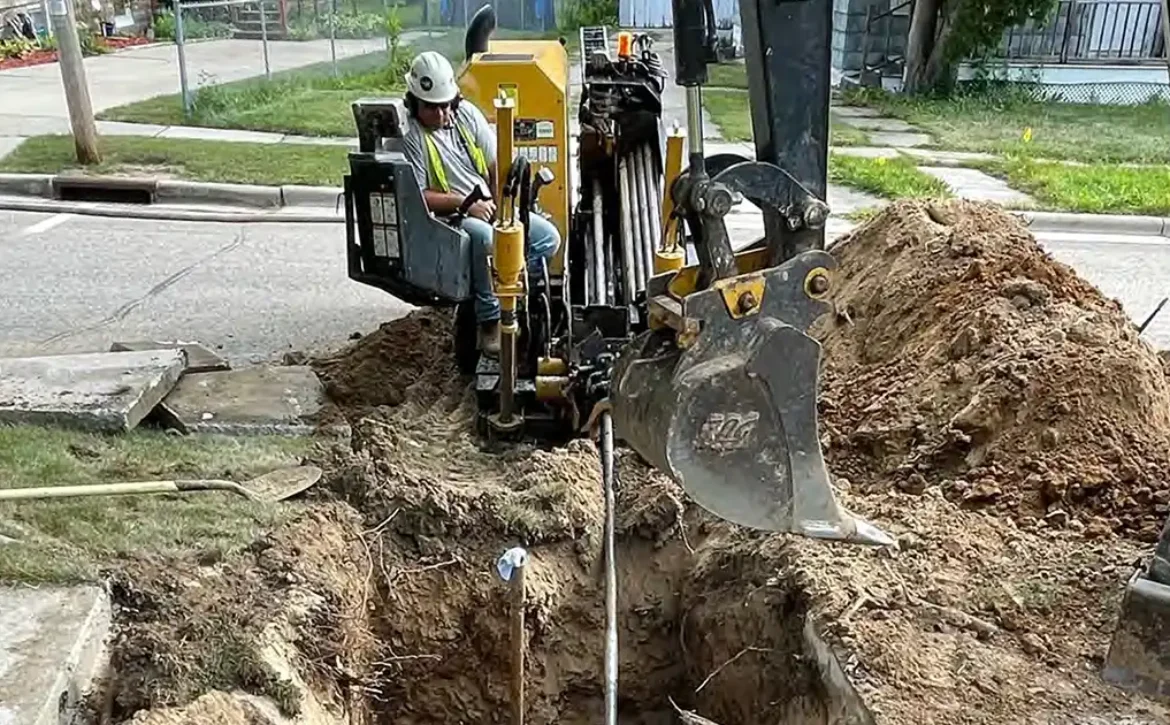
This report provides best practices for lead service line replacement based on lessons learned from the Lead-Free Water Challenge.

This report explores how to accelerate lead pipe replacement by applying proven efficiencies and encouraging innovative solutions.
This report shows how states can expand water infrastructure funding by leveraging State Revolving Funds through tools like municipal bonds.
This white paper outlines how 17 states were proactively supporting lead service line (LSL) replacement through policies that enable funding, mandate inventories, and promote full replacements to protect public health between 2016-2020.

This review of 13 states with the most lead service lines found no likely legal barriers to using ratepayer funds for replacing lines on private property.

A Cornell and EDF study found that informing prospective homebuyers and renters about lead service lines significantly increases their willingness to take action, regardless of how the information is presented.

This study found that online tools—particularly interactive maps displaying both public and private lead service line information—significantly enhance public understanding and motivate homebuyers and renters to advocate for lead pipe replacement.
