Michigan set a 20-year timeline to achieve 100% LSLR in 2018
In 2018 the state’s Lead and Copper Rule required water suppliers to annually remove an average of 5% of LSLs in their system, effectively setting a 20-year timeline (p. 2).


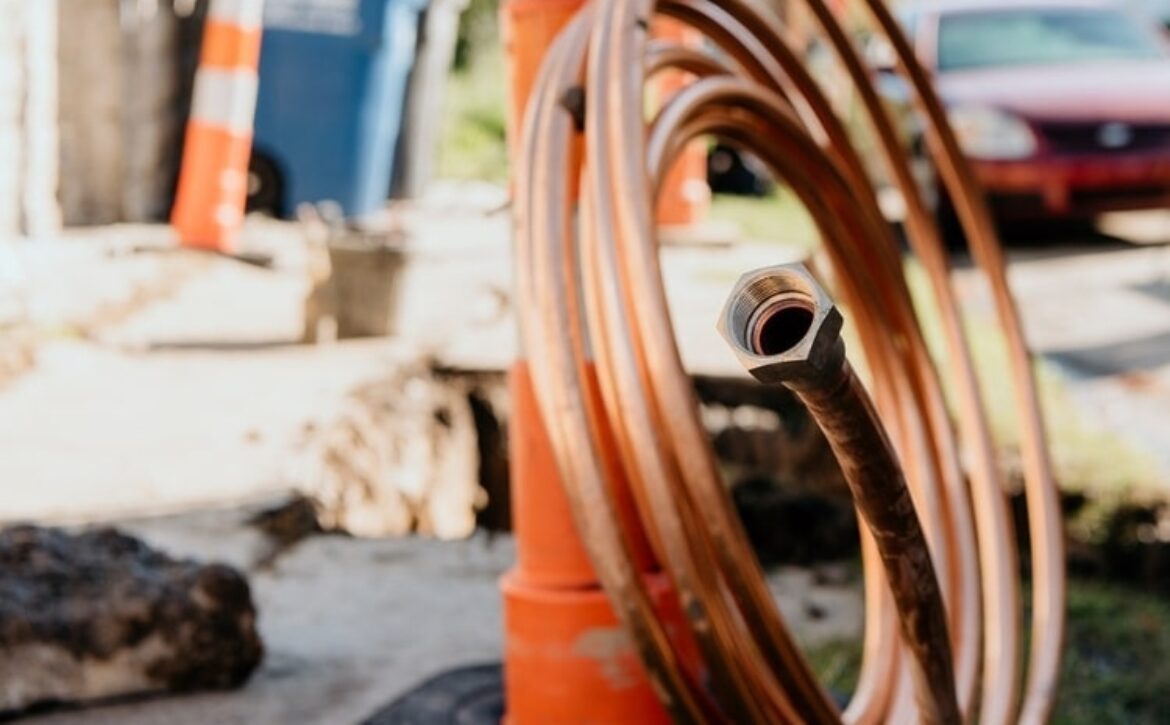
In 2018 the state’s Lead and Copper Rule required water suppliers to annually remove an average of 5% of LSLs in their system, effectively setting a 20-year timeline (p. 2).
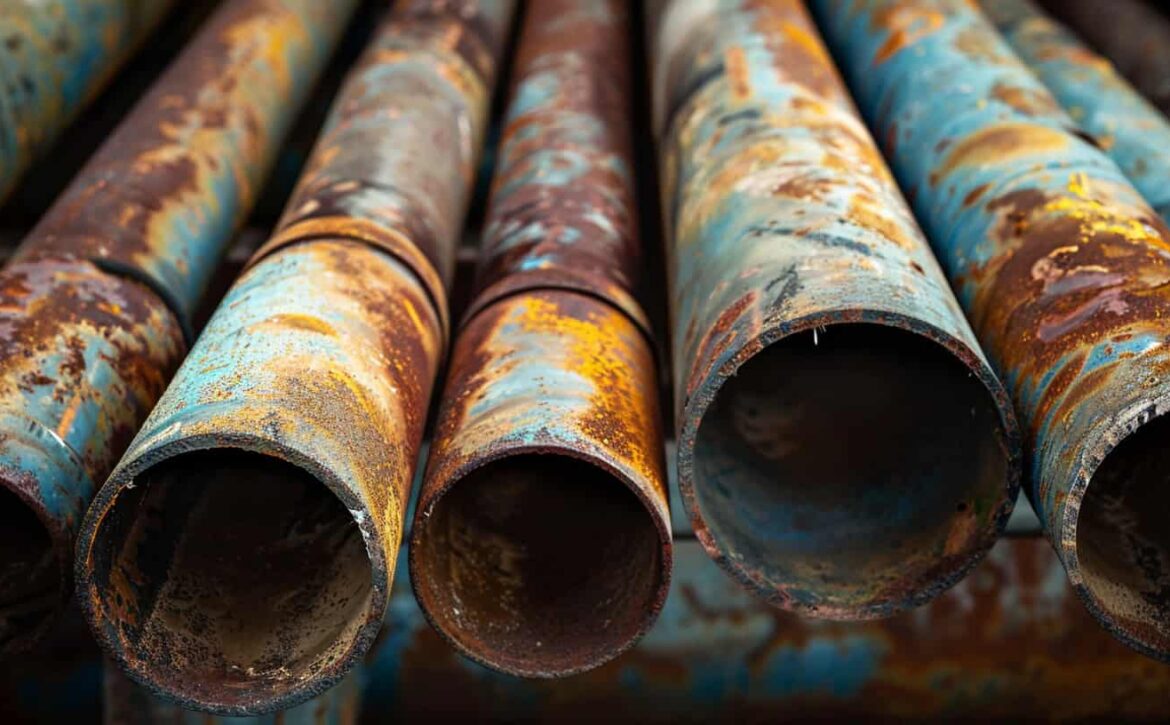
In 2025, the New York legislature introduced a bill setting a 10 year timeline for the state to replace all lead service lines, requiring water utilities to cover the full cost of private-side LSLR, and enabling occupant-permitted consent, and for LSL. S.6892/A.7878.

A service from the Texas Comptroller’s office, the state purchasing cooperative promotes best value procurements through state contract usage at the local level.

This report highlights lessons from New Jersey’s efforts to accelerate lead service line replacement, offering strategies for utilities and policymakers to overcome challenges and ensure equitable access to safe drinking water.
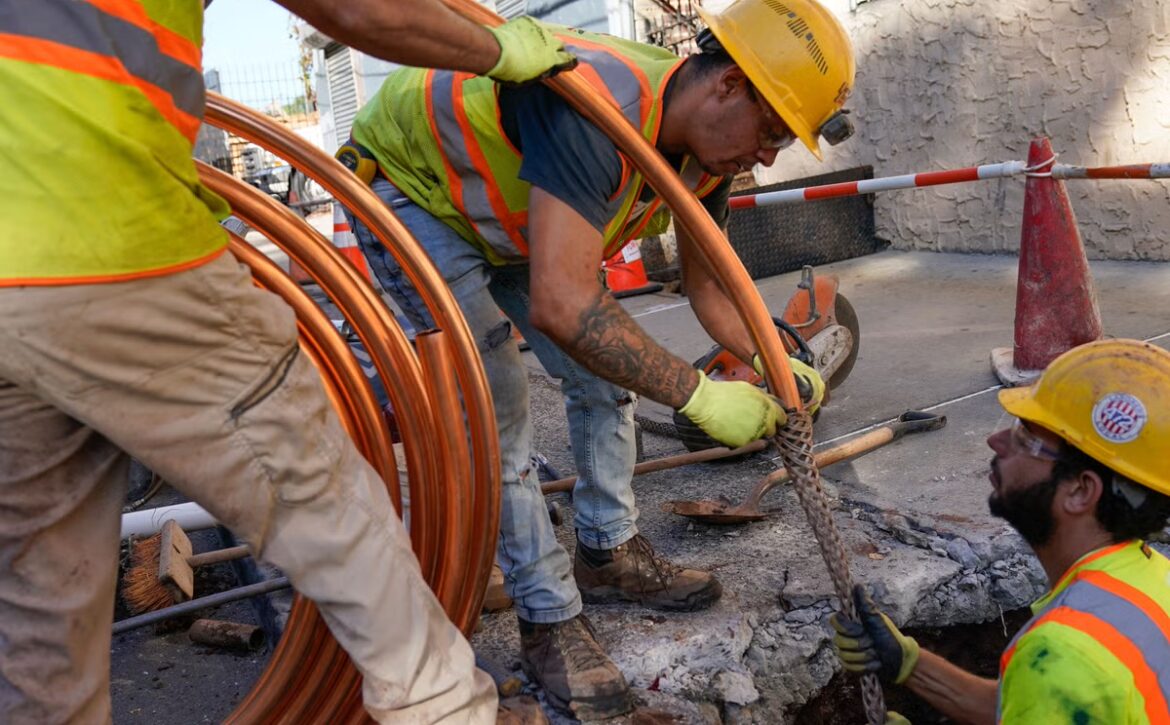
A 50-state comparison of DWSRF financing options for Infrastructure Investment and Jobs Act (IIJA) funding.

This contracting guide highlights key contracting components that utilities should consider including in their programs to ensure funding is utilized effectively.
Gov. Hochul authorized the use of NY’s Clean Water, Clean Air and Green Jobs Environmental Bond Act of 2022 to repay the loan portion of awards for LSLR projects from the NY’s DWSRF.
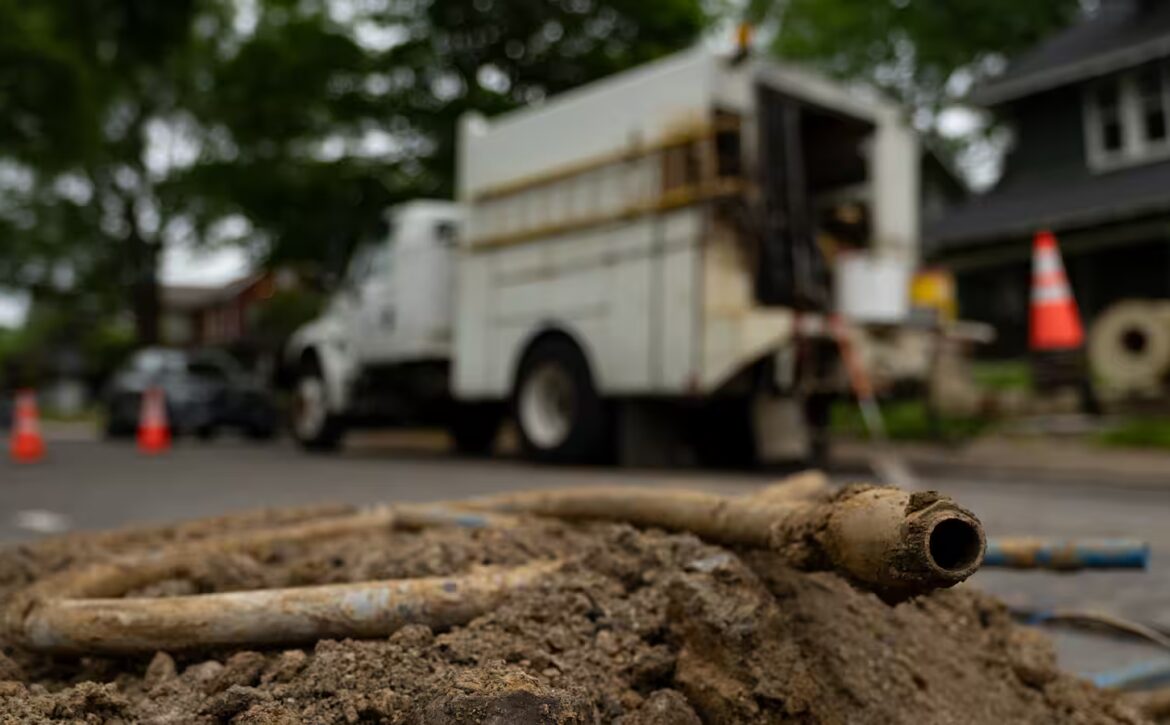
This blog analyzes how far federal funding will go to replace toxic lead lines over the five years of the Bipartisan Infrastructure Law.
This report analyzes how payment schedules in environmental “Pay for Success” contracts influence project outcomes and offers recommendations to optimize risk-sharing and financial incentives for improved conservation results.
Indiana’s SFY24 Intended Use Plan (IUP) includes long-term goals to “ensure that the CWSRF Loan Program and its participants comply as required with Disadvantaged Business Enterprise fair share objectives” (p.9) and set-aside funding to support Indiana Water Alliance’s apprenticeship programs (p. 12).
