Zero-Percent Interest Loans Make Lead Pipe Replacement Affordable in Many States
A 50-state comparison of DWSRF financing options for Infrastructure Investment and Jobs Act (IIJA) funding.


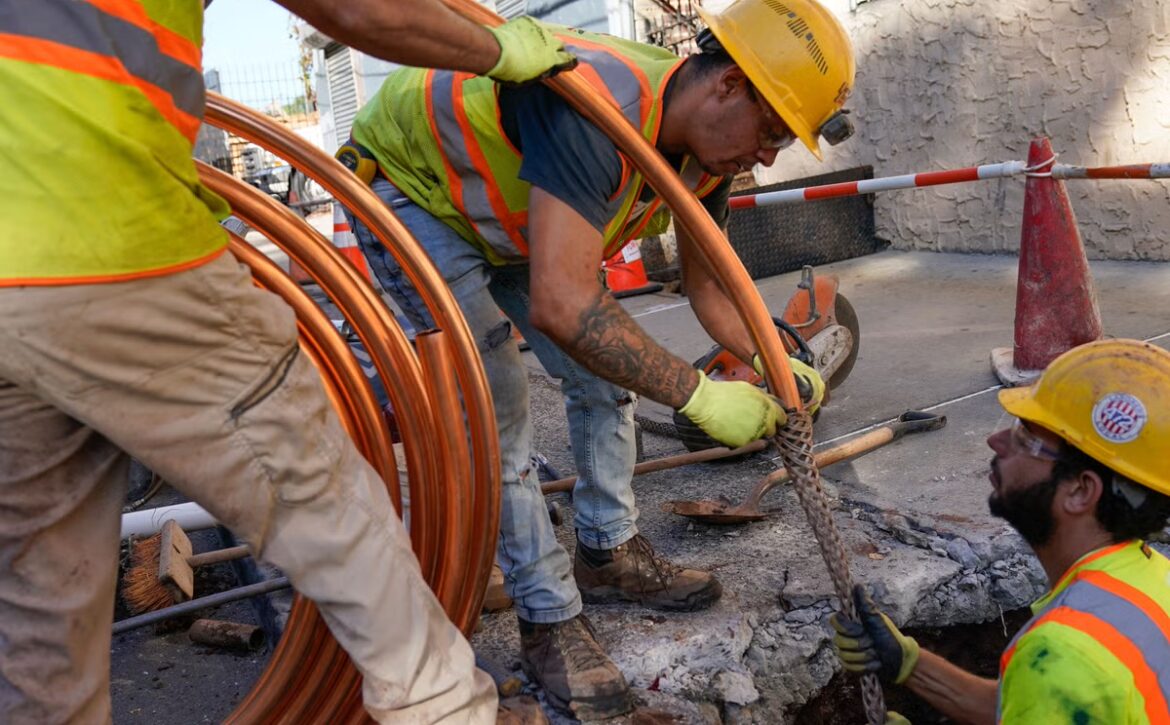
A 50-state comparison of DWSRF financing options for Infrastructure Investment and Jobs Act (IIJA) funding.

This contracting guide highlights key contracting components that utilities should consider including in their programs to ensure funding is utilized effectively.
Gov. Hochul authorized the use of NY’s Clean Water, Clean Air and Green Jobs Environmental Bond Act of 2022 to repay the loan portion of awards for LSLR projects from the NY’s DWSRF.
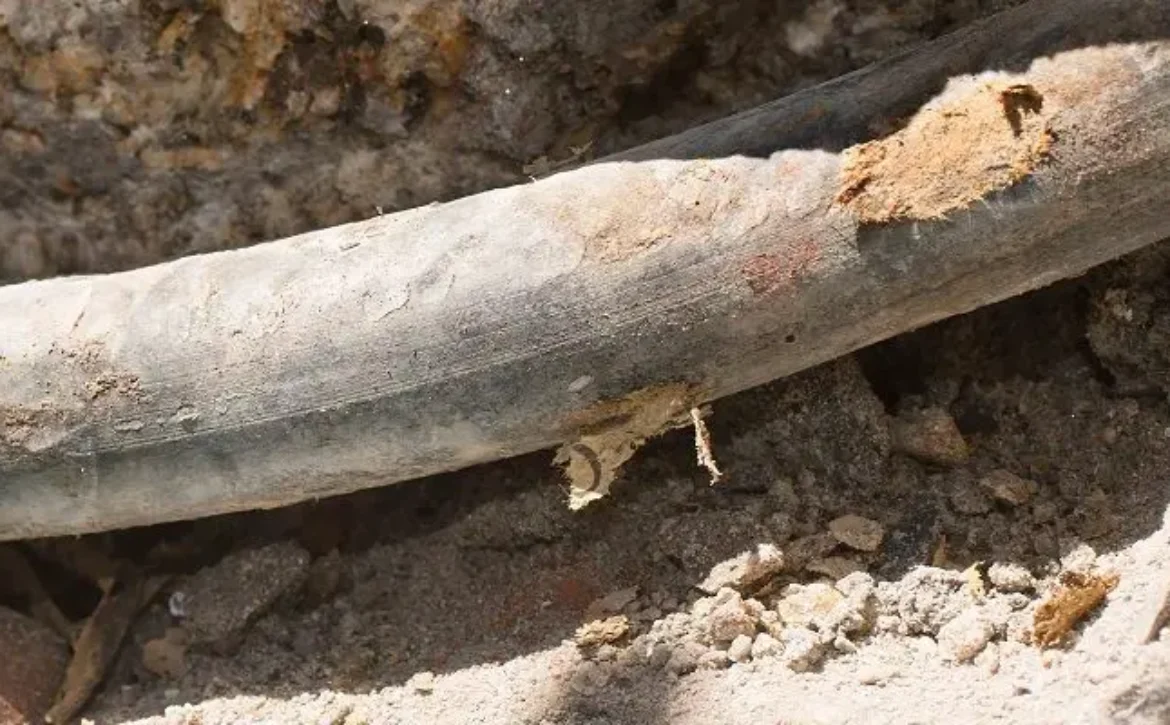
The National Center for Healthy Housing outlines how EPA’s updated Lead and Copper Rule mandates full lead service line replacement within 10 years, lowers the lead action level, and expands public education requirements—highlighting the critical role of public health agencies in community outreach and response.
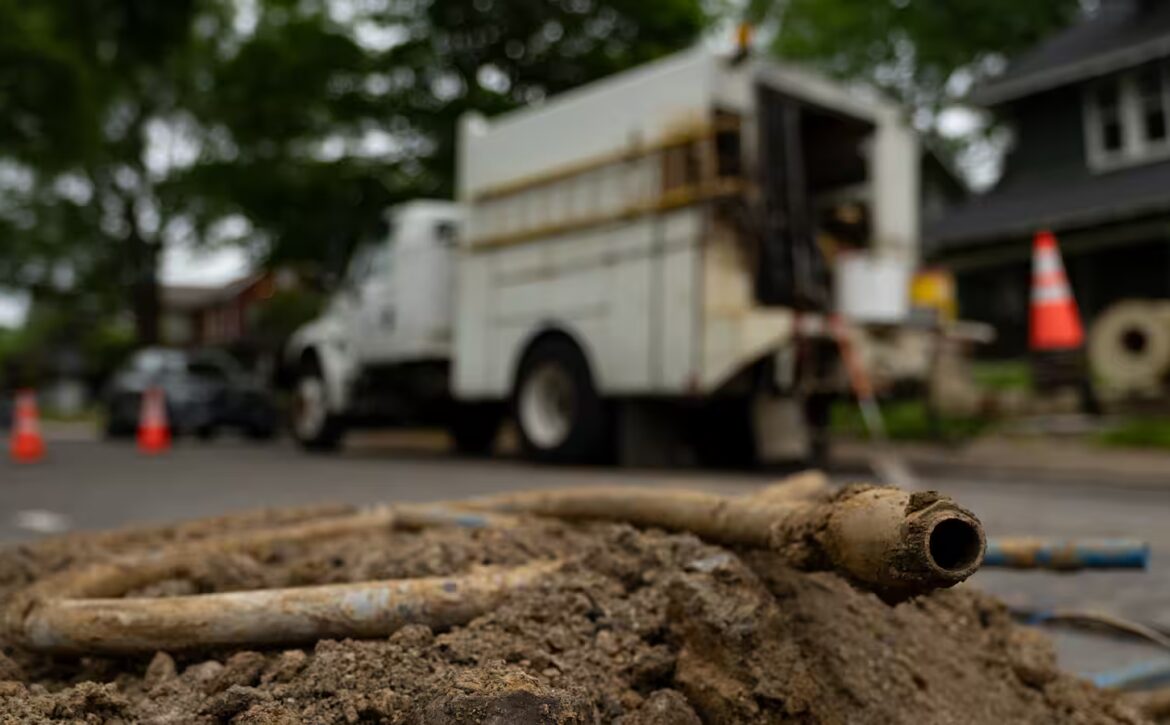
This blog analyzes how far federal funding will go to replace toxic lead lines over the five years of the Bipartisan Infrastructure Law.

EPA’s fact sheet outlines requirements under the 2021 Lead and Copper Rule Revisions.

Engaging landlords and tenants is essential to ensure equitable and effective lead service line replacement, especially in rental properties where children face the greatest risk.

This report analyzes how payment schedules in environmental “Pay for Success” contracts influence project outcomes and offers recommendations to optimize risk-sharing and financial incentives for improved conservation results.

Indiana’s SFY24 Intended Use Plan (IUP) includes long-term goals to “ensure that the CWSRF Loan Program and its participants comply as required with Disadvantaged Business Enterprise fair share objectives” (p.9) and set-aside funding to support Indiana Water Alliance’s apprenticeship programs (p. 12).

Six strategies for state administrators to integrate equitable workforce development into State Revolving Fund programs, ensuring that water infrastructure investments create inclusive job opportunities in underserved communities.