Water Affordability Advocacy Toolkit: Affordability and Assistance Programs
This tool highlights Philadelphia Water Department’s Tiered Assistance Program (TAP) as a model affordability program (p.8).



This tool highlights Philadelphia Water Department’s Tiered Assistance Program (TAP) as a model affordability program (p.8).
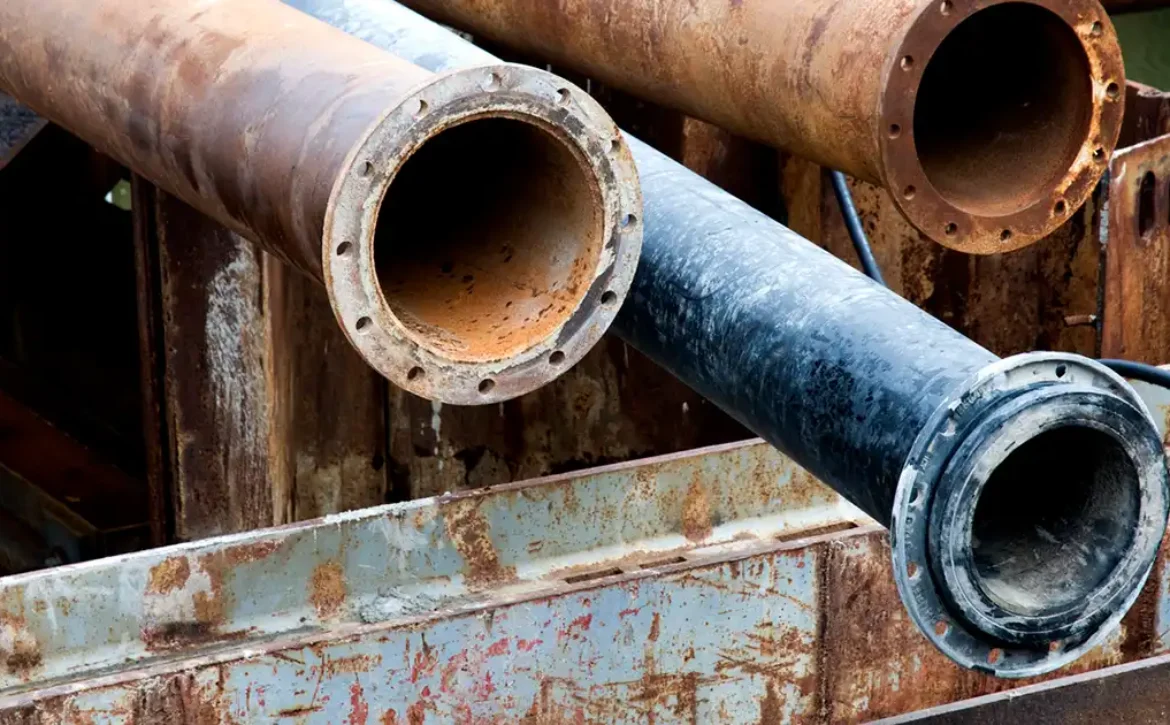
The state’s SFY23 Intended Use Plan (IUP) set-aside 10% of LSLR funds for Technical Assistance to complete LSL inventories (p. 8).
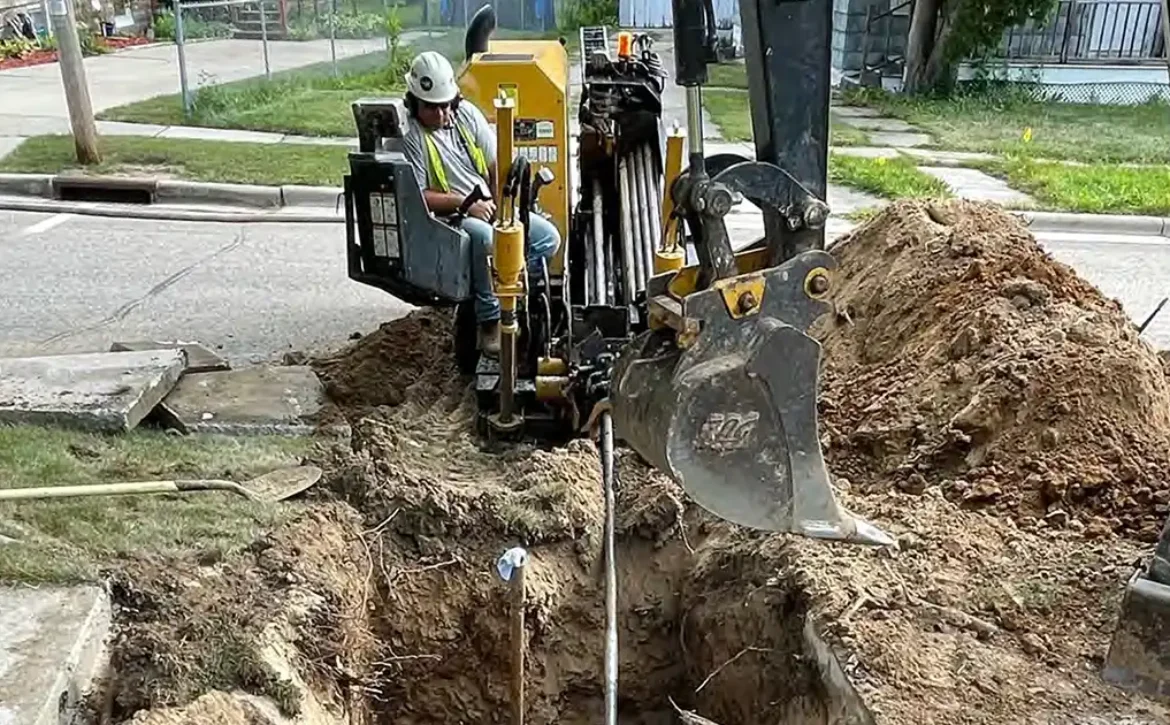
This report provides best practices for lead service line replacement based on lessons learned from the Lead-Free Water Challenge.
This memorandum provides information and guidelines on how EPA will award and administer SRF Capitalization Grants appropriated to the State and Tribal Assistance Grants (STAG) account in the Bipartisan Infrastructure Law (BIL), also known as the “Infrastructure Investment and Jobs Act of 2021” (IIJA).

The city of Benton Harbor included a pay for success clause in their bid documents that provided contractors with an incentive for each day the work was completed ahead of schedule.

This report explores how to accelerate lead pipe replacement by applying proven efficiencies and encouraging innovative solutions.
This report shows how states can expand water infrastructure funding by leveraging State Revolving Funds through tools like municipal bonds.

The City of Newark employed municipal bonding to pay for lead service line replacement. The unique financing package was nearly $200 million, primarily from a $120 million municipal bond issued on Newark’s behalf by the Essex County Improvement Authority, which took advantage of the Authority’s AAA bond rating. To pay the bond, the city renegotiated a lease agreement on city property that the Port Authority of NYNJ uses for transportation purposes.

This review of 13 states with the most lead service lines found no likely legal barriers to using ratepayer funds for replacing lines on private property.