Water Affordability – Water Finance Center
Explore creative strategies, resources, and pricing structures for consumers and utilities to better understand and address the need for affordable drinking water and wastewater services.



Explore creative strategies, resources, and pricing structures for consumers and utilities to better understand and address the need for affordable drinking water and wastewater services.
EPA’s 2024 Water Affordability Needs Assessment Report provides an estimate of the water affordability burden felt among households and utilities across the nation.
Explore a list of funding and financing resources utilities can consider to fund lead service line replacement.
Best practices in setting fair and viable water rates, and options for utilities to finance capital improvement projects to ensure your community’s drinking water system remains safe and sustainable.
EPA’s Water TA connects communities to experts who help assess and implement solutions for their drinking water, sewage, and stormwater needs, including LSLR.
EPA has selected 29 Environmental Finance Centers (EFCs) to deliver targeted technical assistance to local governments, states, Tribes, Territories, and non-governmental organizations to protect public health and safeguard the environment. Under the Infrastructure Investment and Jobs Act, the selected EFCs will help communities access federal funding for water infrastructure improvements.
Use our calculator to determine if your water system is eligible for a deferral under the current Lead and Copper Rule Improvements.
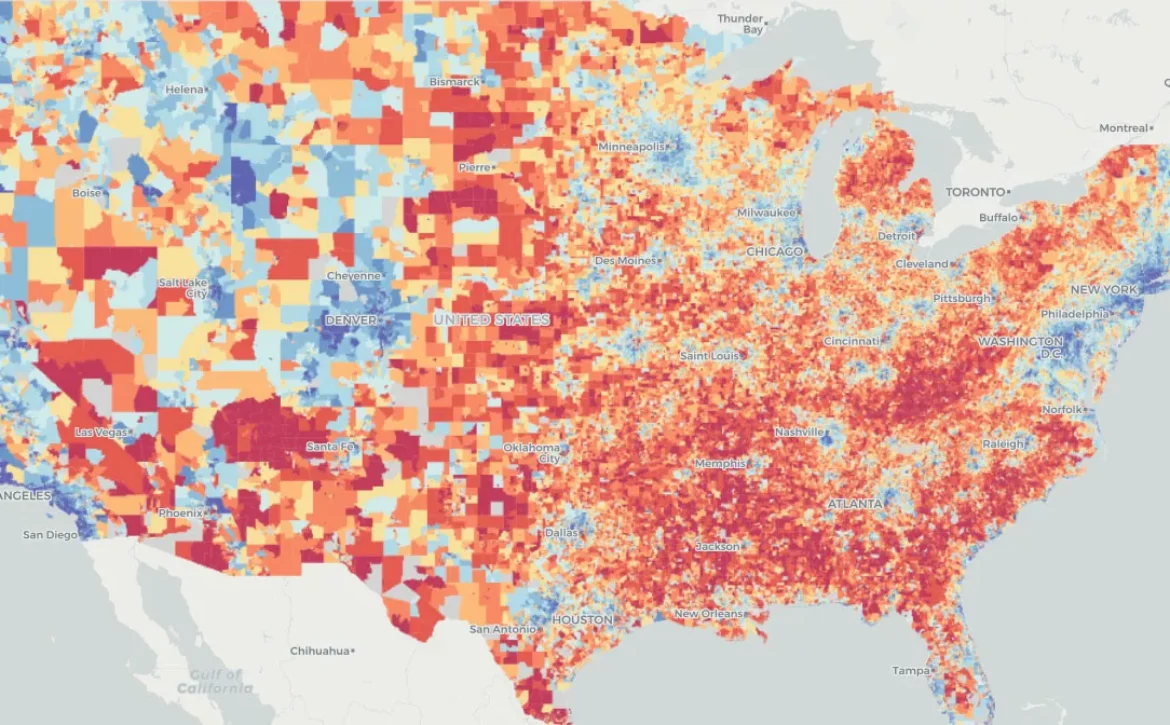
Milwaukee uses an Area Deprivation Index to prioritize neighborhoods for LSLR.
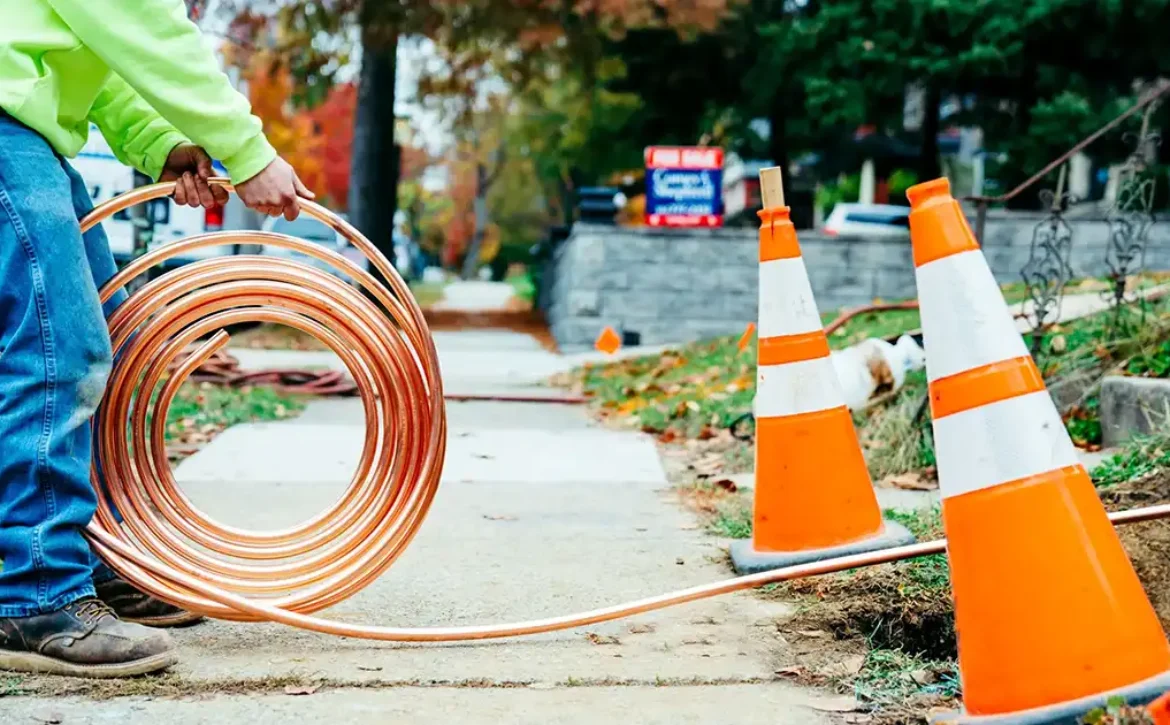
Greater Cincinnati Water Works collaborated with the University of Cincinnati to develop a Prioritization model.
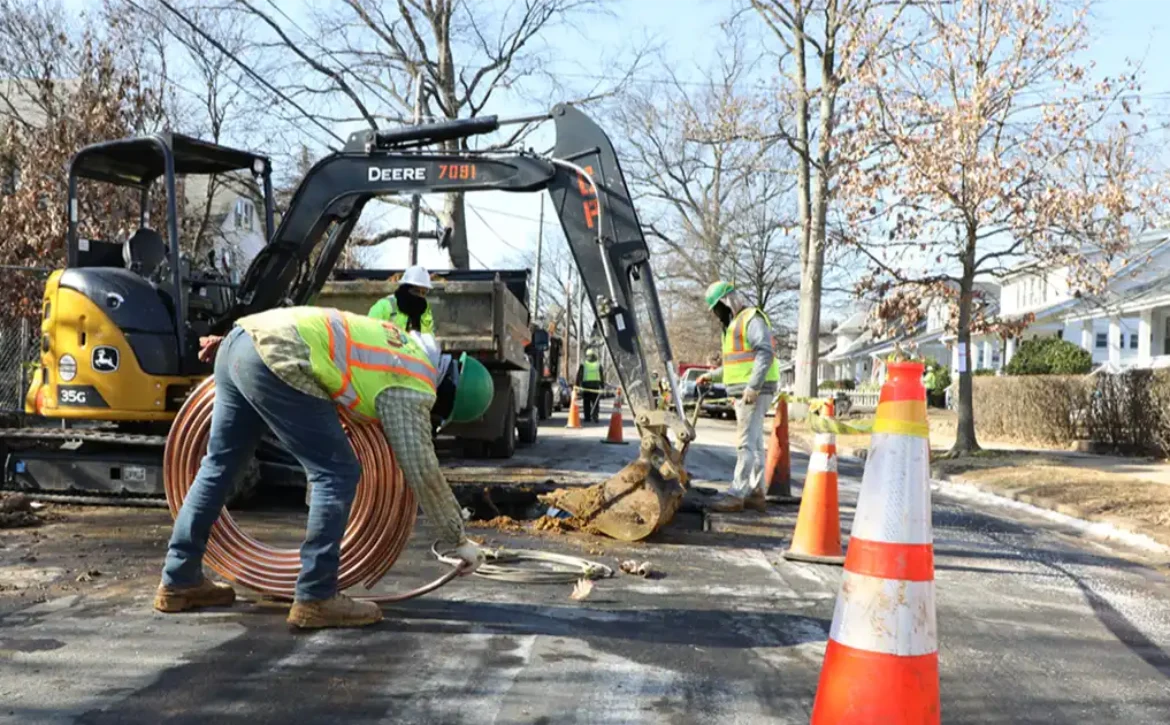
DC Water uses a model to prioritize LSLR in disadvantaged communities that are already marginalized, underserved, and overburdened by pollution.