Guide to Equity Analysis
This guide compiles recommendations for how to implement an equitable LSLR program, including data sources to use in prioritization decisions.



This guide compiles recommendations for how to implement an equitable LSLR program, including data sources to use in prioritization decisions.

The LeadCare Illinois provides free testing, lead safety training, and support services such as education and sample collection for qualifying childcare facilities and providers, administered by their partner Elevate.

VA DOH’s LEAP Program includes funding for LSLR programs and is an educational resource for homeowners and utilities on LSLR.

This Connecticut Department of Public Health fact sheet explains how lead can enter drinking water, outlines associated health risks and offers practical steps to reduce exposure.
This video offers practical steps to reduce exposure to lead in drinking water.
Information for water systems on how to keep their community engaged and informed on LSLR.
The Metropolitan Sewer District has a community benefits program demonstrating how partnerships between community-based organizations, nonprofits, and labor unions can be part of professional services contracting.
The city’s Water Equity Task Force is an example of collaboration between the utility and nonprofit organizations to develop and diversify the local workforce.
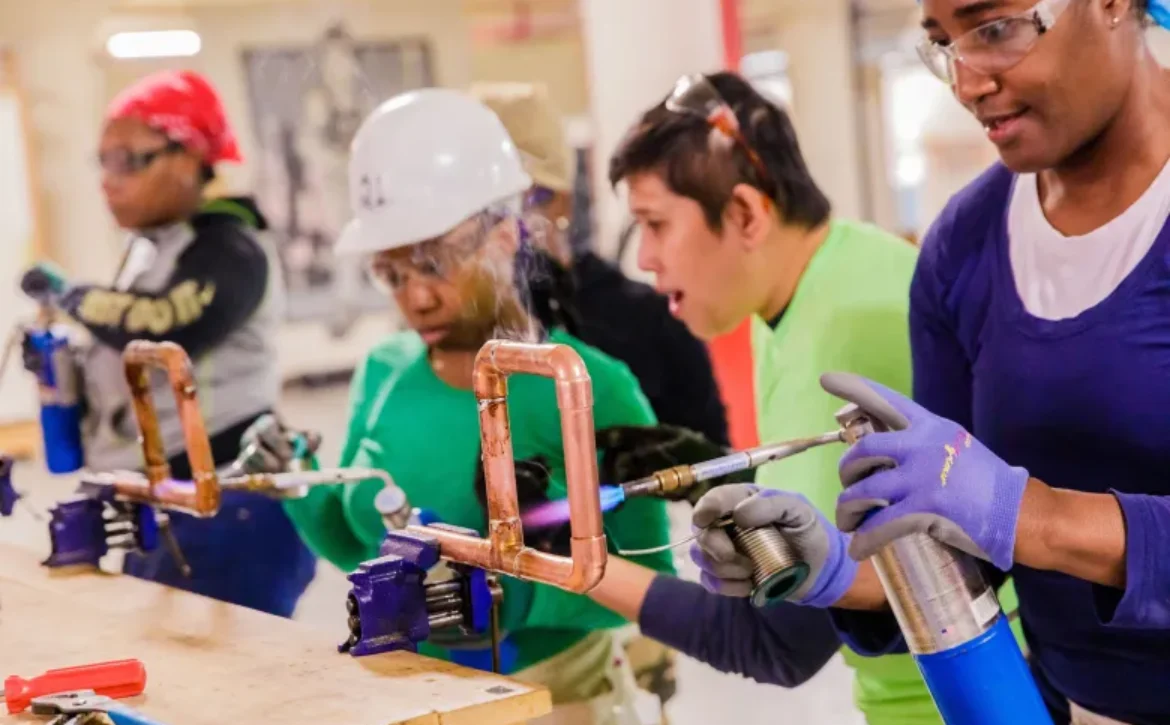
The Illinois Works Apprenticeship Initiative requires that apprentices perform at least 10% of labor hours on public projects over $500,000 funded by state capital, promoting workforce development through state contracts, grants, and loans

Maryland Dept. of Environment provides a variety for lead service line public education.