LSLR Financing Case Study: Green Bay, WI
The City of Green Bay used Lambeau Field stadium tax revenue to help pay for private lead service line replacement.



The City of Green Bay used Lambeau Field stadium tax revenue to help pay for private lead service line replacement.

Minnesota statute requires the submission of a workforce plan for water systems applying for state funding with 15,000 or more service connections. Minn. Stat. 446.077 §6.
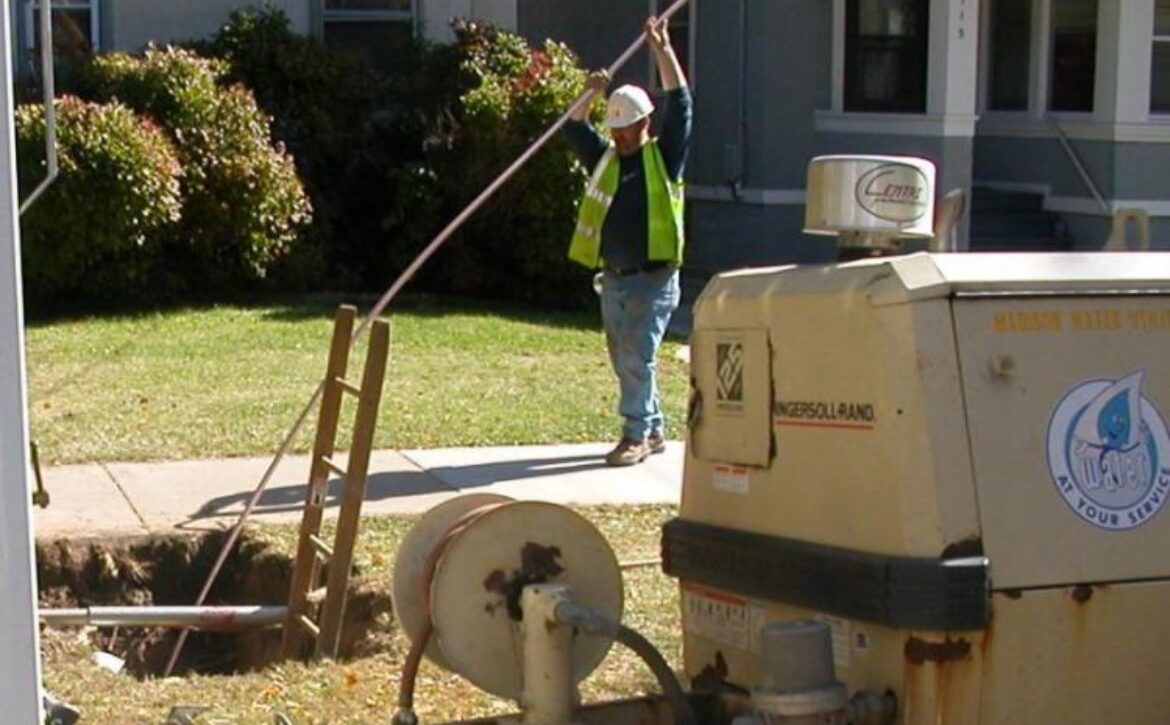
Madison, WI replaced all lead service lines (private and public), using a program that reimbursed customers up to a fixed amount. Reimbursements were funded with revenue water tower antenna rental revenue.
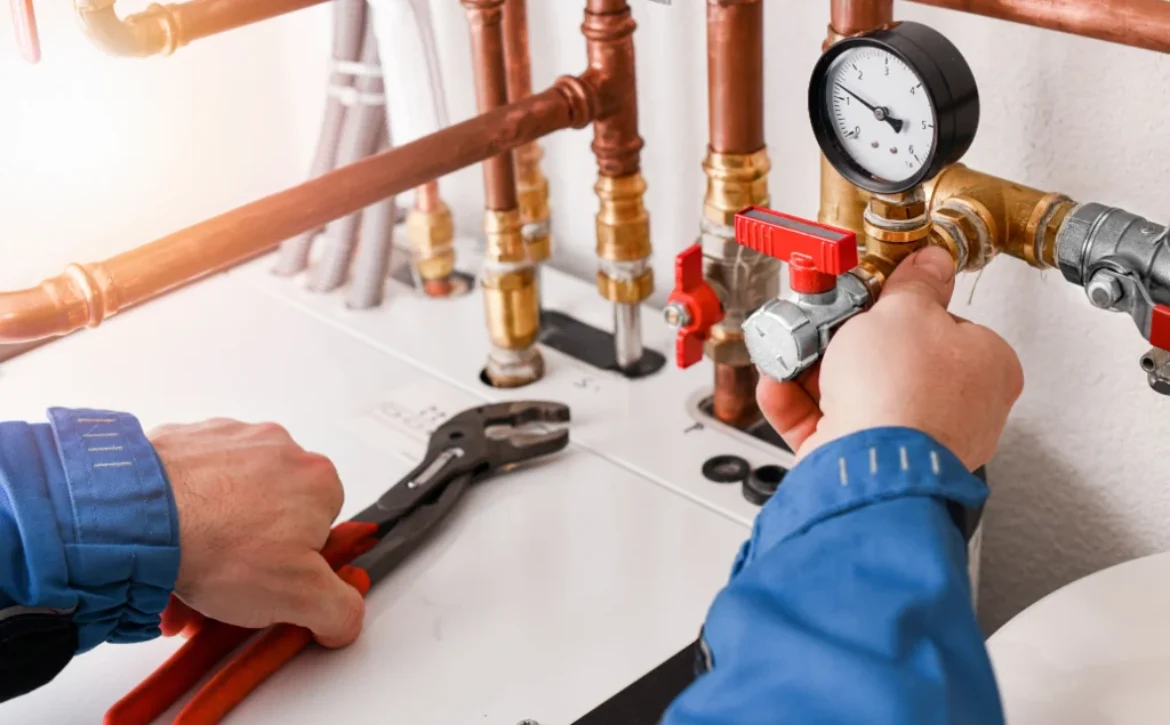
Pittsburgh Water has a reimbursement program where households that voluntarily and proactively replaced private service lines are eligible for a reimbursement or stipend offsetting upfront replacement costs. Subsidies in the program are available for income-qualified residents; however, all customers can receive a $1000 stipend.

This tool allows utilities to assess the business case for implementing a discount program for low-income customers to help provide safe and affordable water and sanitation to everyone in their communities.
This webpage features resources that can assist states and drinking water systems with the implementation of the Bipartisan Infrastructure Law (BIL), also known as the “Infrastructure Investment and Jobs Act of 2021” (IIJA).
Explore creative strategies, resources, and pricing structures for consumers and utilities to better understand and address the need for affordable drinking water and wastewater services.
Explore a list of funding and financing resources utilities can consider to fund lead service line replacement.
Best practices in setting fair and viable water rates, and options for utilities to finance capital improvement projects to ensure your community’s drinking water system remains safe and sustainable.
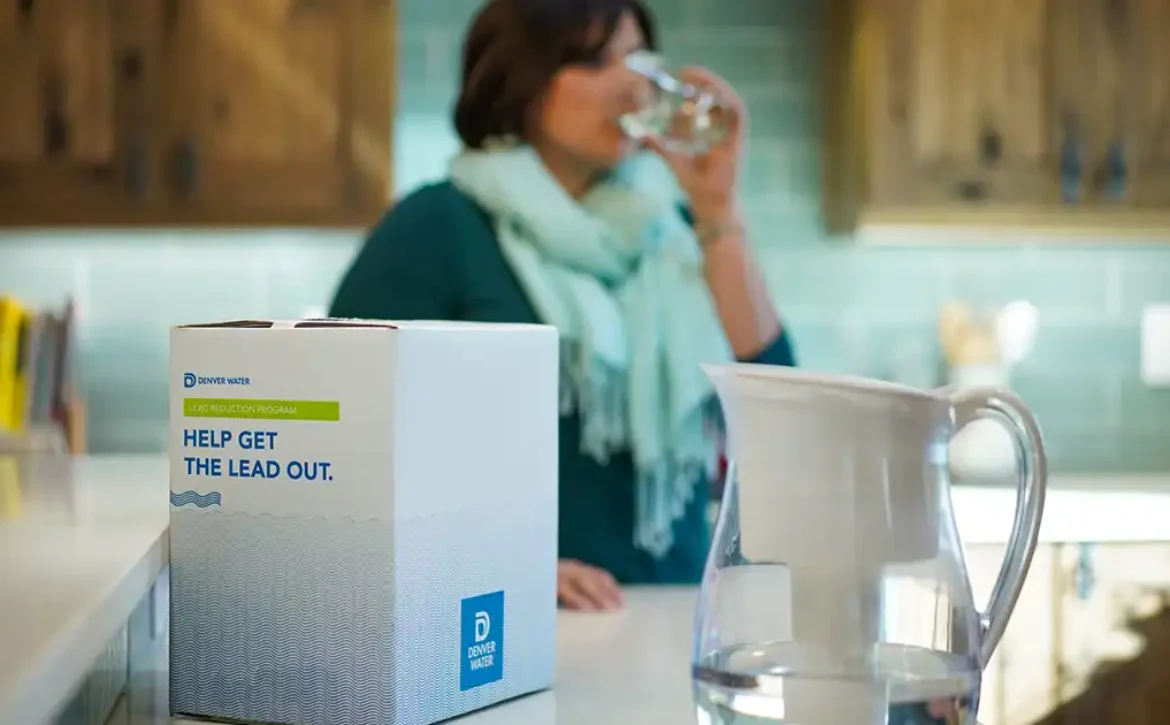
Denver Water uses federal funding, rates, bonds, and other sources to cover the cost of full lead service line replacement.