Three Strategies to Reduce Costs: Purchasing Partnerships for Water Systems
This resource provides examples of purchasing partnerships for water systems.



This resource provides examples of purchasing partnerships for water systems.

A free, multilingual tool that enables municipalities and utilities to generate customized cost estimates for replacing lead service lines, supporting informed planning and budgeting efforts.

IIJA is an investment in jobs, as well as infrastructure. Federal SRF appropriations flow to communities through state SRF programs, but more is needed to ensure that the jobs created by investments in water infrastructure are equitably distributed to workers in underserved communities. This policy brief identifies policy options state SRF administrators can adopt to advance equitable workforce goals.
This webpage features resources providing guidance on federal and funding sources for lead service line replacement and laws related to this funding.
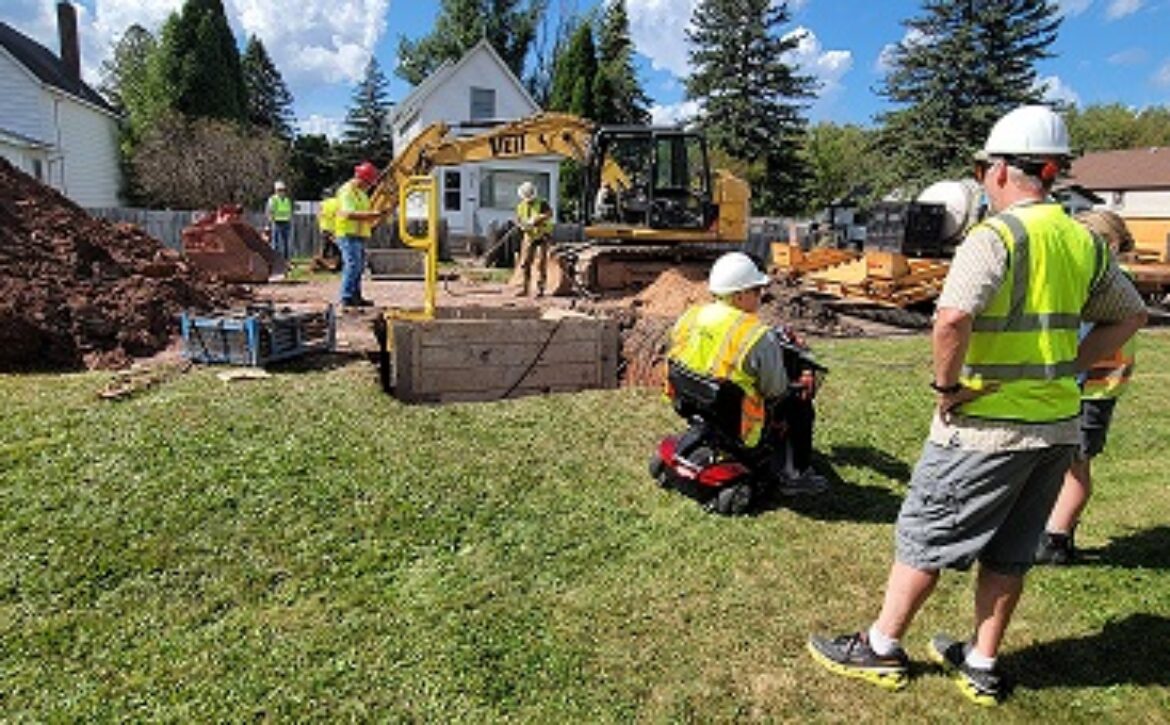
Minnesota’s Lead Service Line Replacement Grant Program requires grant money be used to cover private-side replacements. Minn. Stat. 446A.077 §4(b).

VA DOH’s LEAP Program includes funding for LSLR programs and is an educational resource for homeowners and utilities on LSLR.
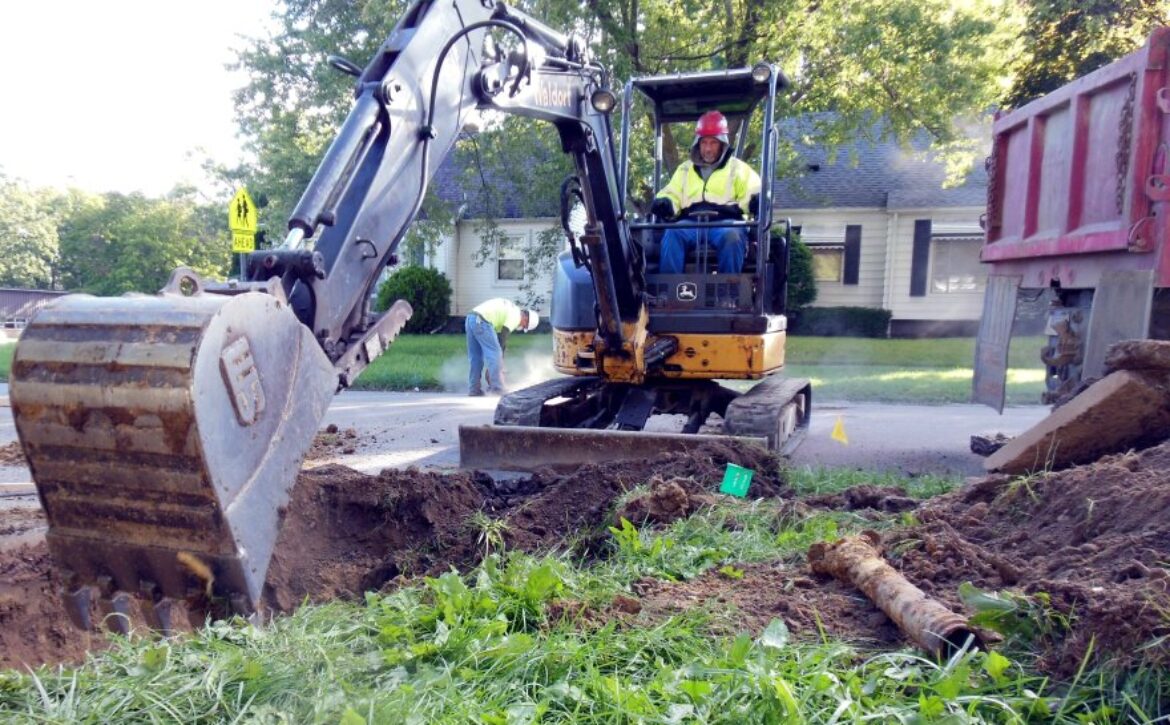
Michigan requires water suppliers to replace the entire LSL and to cover the costs of private-side replacements. Mich. Admin. Code R. 325.10604f

The TMF program’s goal is to better position communities to take advantage of Bipartisan Infrastructure Law (BIL) DWSRF dollars for lead line replacement, which are available through Fiscal Year 2027.
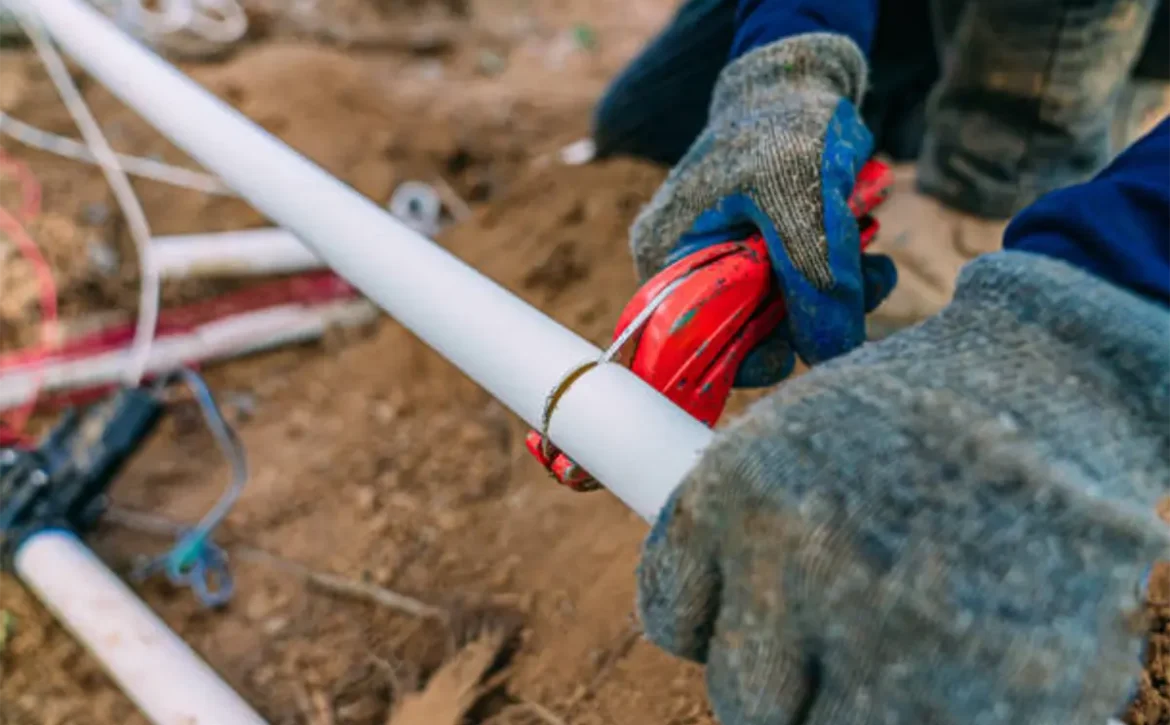
Ohio EPA funds lead pipe replacement in communities and daycare centers, as well as mapping efforts to identify these hazardous lines.
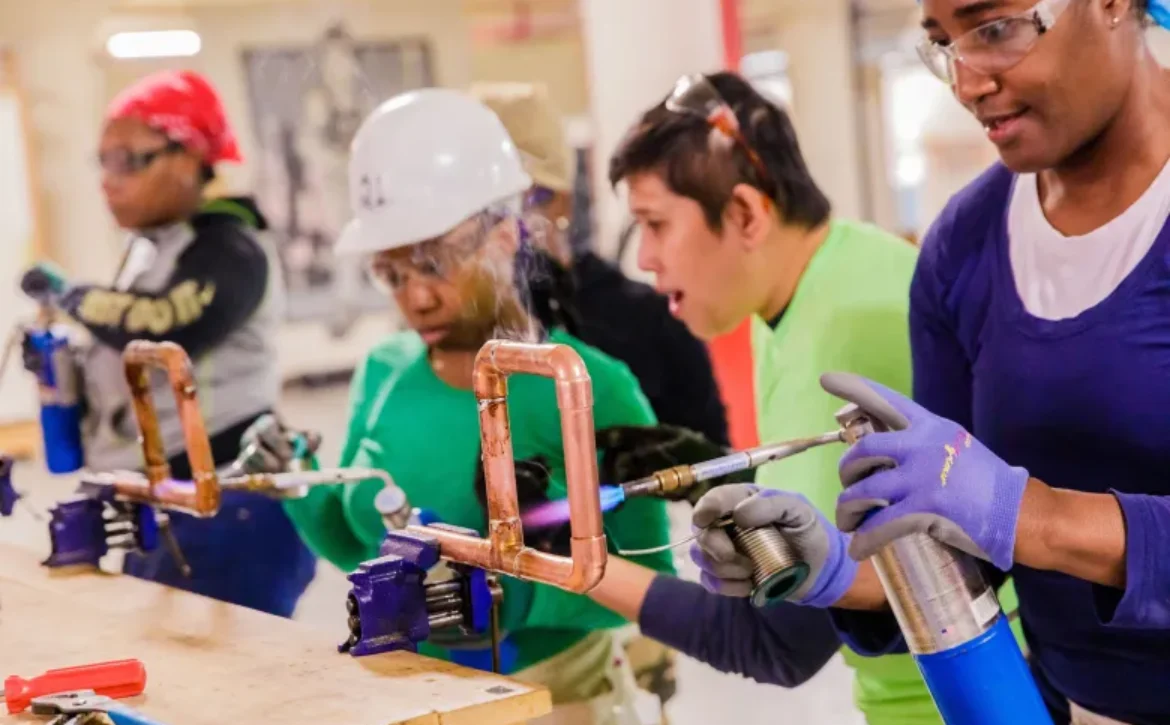
The Illinois Works Apprenticeship Initiative requires that apprentices perform at least 10% of labor hours on public projects over $500,000 funded by state capital, promoting workforce development through state contracts, grants, and loans