Potential Lead Exposure Mapping (PLEM) in New Jersey
PLEM provides a publicly available mapping tool to show potential sources of lead exposure in New Jersey.


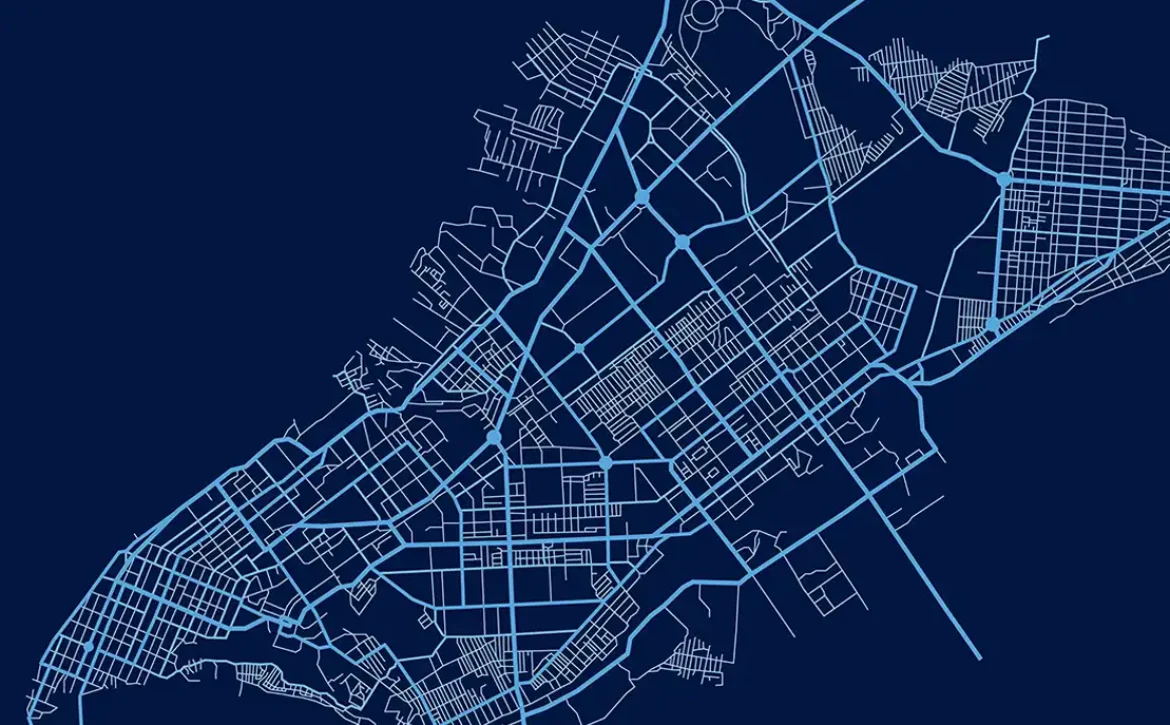
PLEM provides a publicly available mapping tool to show potential sources of lead exposure in New Jersey.

A compendium of examples where disclosure laws and ordinances have been adopted across the country.

The LeadCare Illinois provides free testing, lead safety training, and support services such as education and sample collection for qualifying childcare facilities and providers, administered by their partner Elevate.

VA DOH’s LEAP Program includes funding for LSLR programs and is an educational resource for homeowners and utilities on LSLR.

This Connecticut Department of Public Health fact sheet explains how lead can enter drinking water, outlines associated health risks and offers practical steps to reduce exposure.
This video offers practical steps to reduce exposure to lead in drinking water.
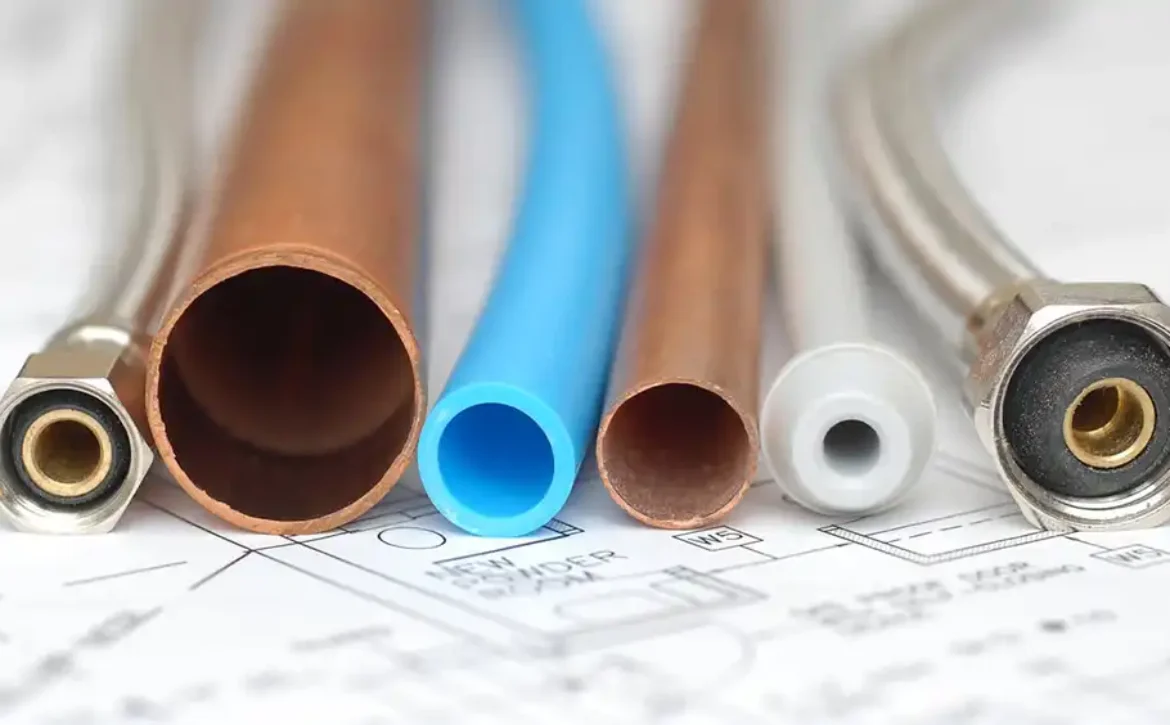
Louisville Water Company posted an educational video to demonstrate how to identify material types in customer’s homes.
An informational website for the public to learn of potential sources of lead and what they can do if exposed.

Junction Coalition, a community-based organization, helped provide the public perspective and door canvassing alongside the water utility in Toledo.

The DC Water Stakeholder Alliance brings together residents, elected officials, community organizations, and businesses to provide input on water infrastructure projects, including lead service line replacement.
