
Certified lead inspector

New York City requires proof of customer compliance with lead paint abatement to opt-out

NYC’s Lead-paint hazard abatement program requires proof that an apartment is lead free or that the owner complies with an abatement order. NYC Admin. Code § 27-2056.5 and § 27-2056.7.


Read More
Couple using laptop in the kitchen

Automatic Enrollment Isn’t New—It’s Time to Apply It to Lead Pipe Replacement

Automatic enrollment has proven effective in utility upgrades like AMI—and applying the same model to lead service line replacement could streamline access, boost participation, and speed up progress.

Read More
Tools & Guides Maps

Transparency in action: Map of public LSL replacement programs

EDF’s map spotlights lead service line replacement programs across the country, including financial assistance for private side replacements

Read More
Young girl drinking water

Lead Pipes and Environmental Justice. A study of lead pipe replacement in Washington, DC

This report found that lead pipe replacement programs in Washington, DC disproportionately benefited wealthier, predominantly white neighborhoods, leaving low-income and minority communities at greater risk of lead exposure due to the financial burden of replacing private service lines.

Read More
Wausau-case-study

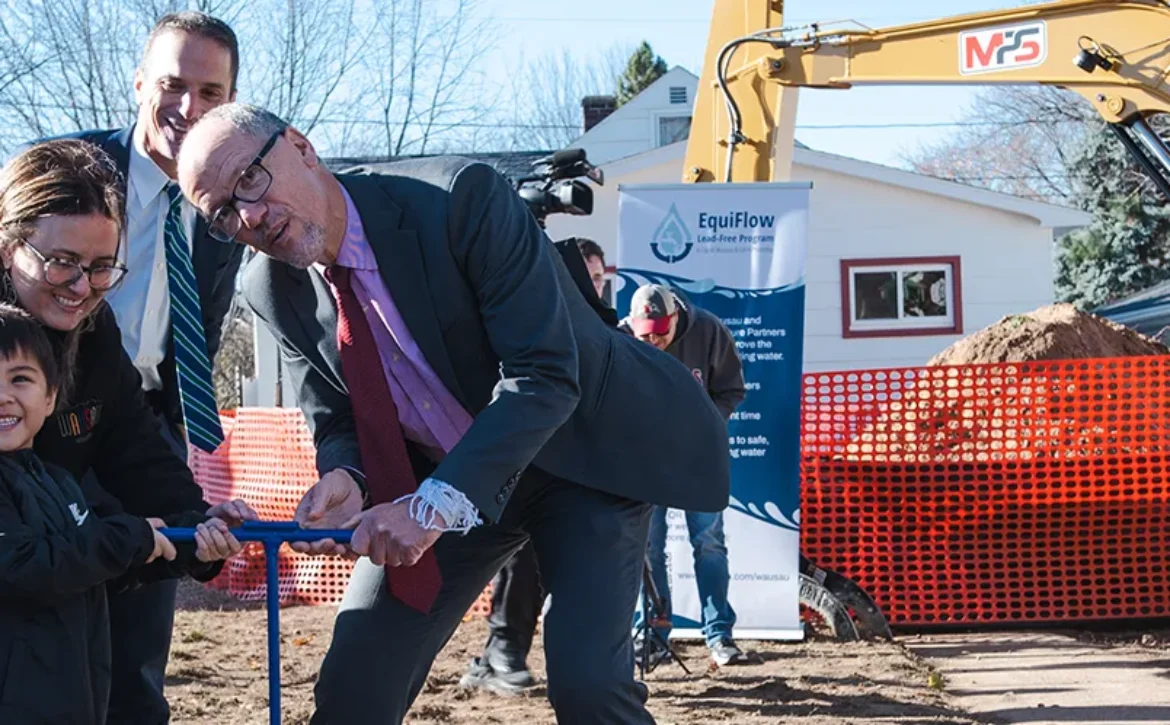
Innovative Partnership in Wausau, WI

Wasau utilized a community-based public-private partnership approach for lead service line replacement.

Read More
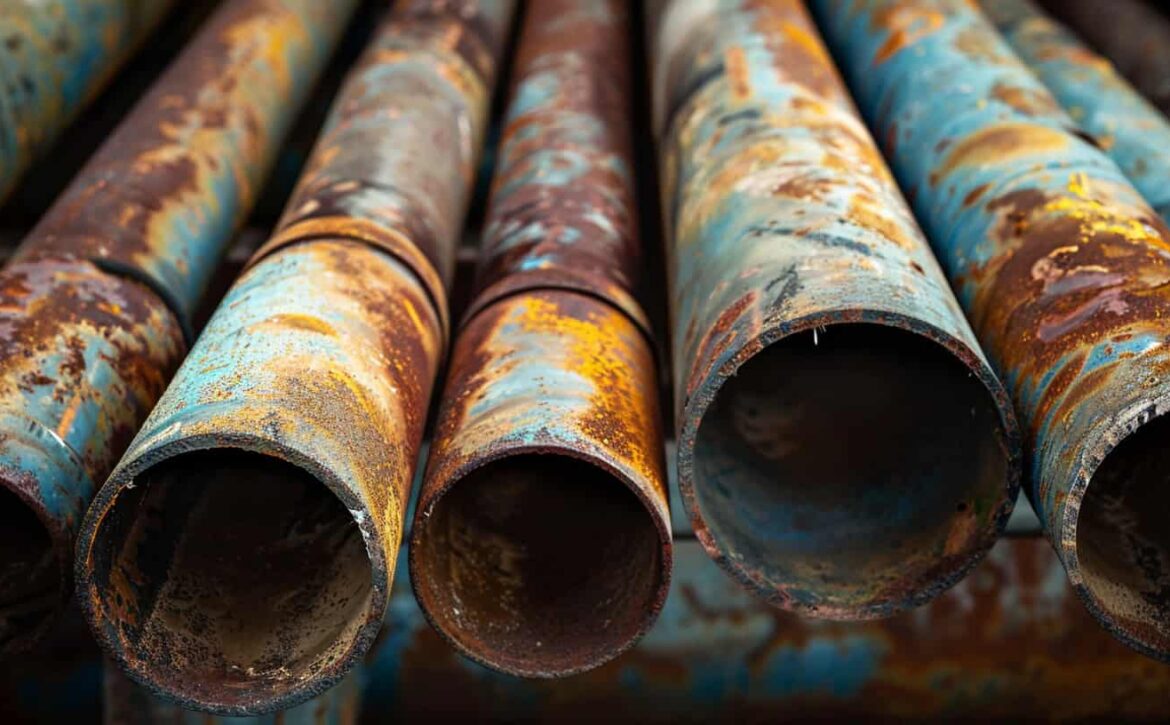
Rusty pipes

New York introduces the Lead Pipe Replacement Act

In 2025, the New York legislature introduced a bill setting a 10 year timeline for the state to replace all lead service lines, requiring water utilities to cover the full cost of private-side LSLR, and enabling occupant-permitted consent, and for LSL. S.6892/A.7878.

Read More
LSL replacement

Michigan set a 20-year timeline to achieve 100% LSLR in 2018

In 2018 the state’s Lead and Copper Rule required water suppliers to annually remove an average of 5% of LSLs in their system, effectively setting a 20-year timeline (p. 2).

Read More
Government official signing document

Stretching the Dollar to Get the Lead Out: Lead Service Line Contracting

This contracting guide highlights key contracting components that utilities should consider including in their programs to ensure funding is utilized effectively.

Read More
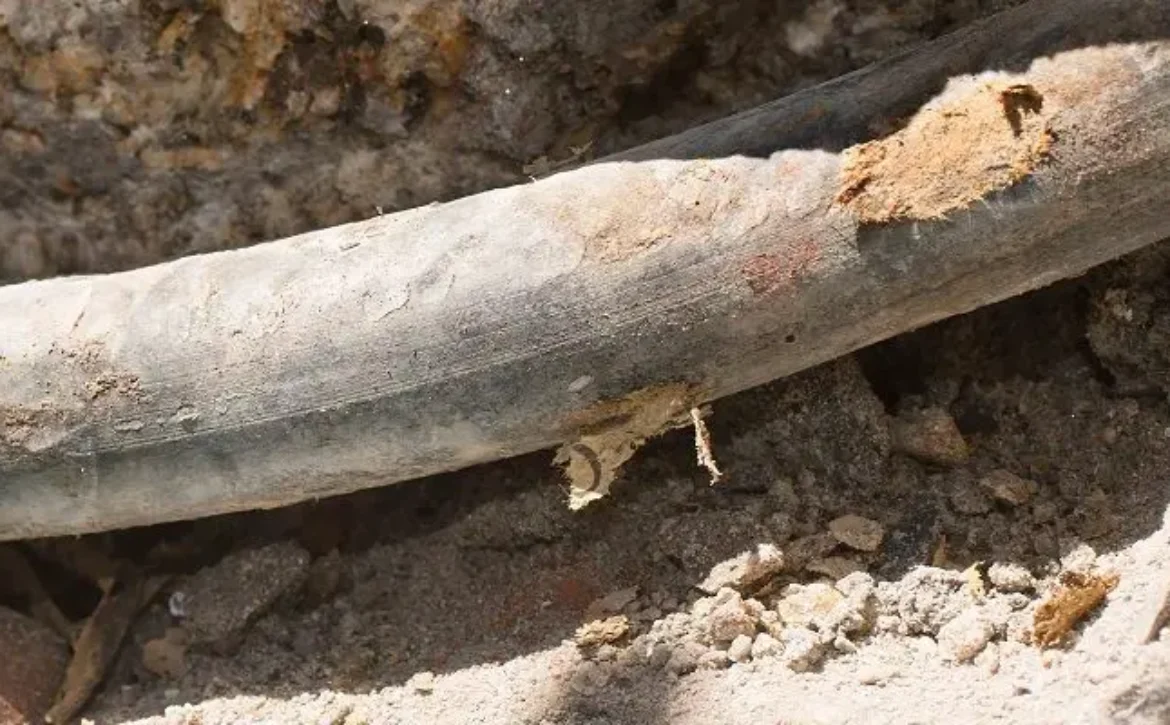
Corroded lead pipe

Changes to the Lead and Copper Rule: What Should Public Health Expect?

The National Center for Healthy Housing outlines how EPA’s updated Lead and Copper Rule mandates full lead service line replacement within 10 years, lowers the lead action level, and expands public education requirements—highlighting the critical role of public health agencies in community outreach and response.

Read More
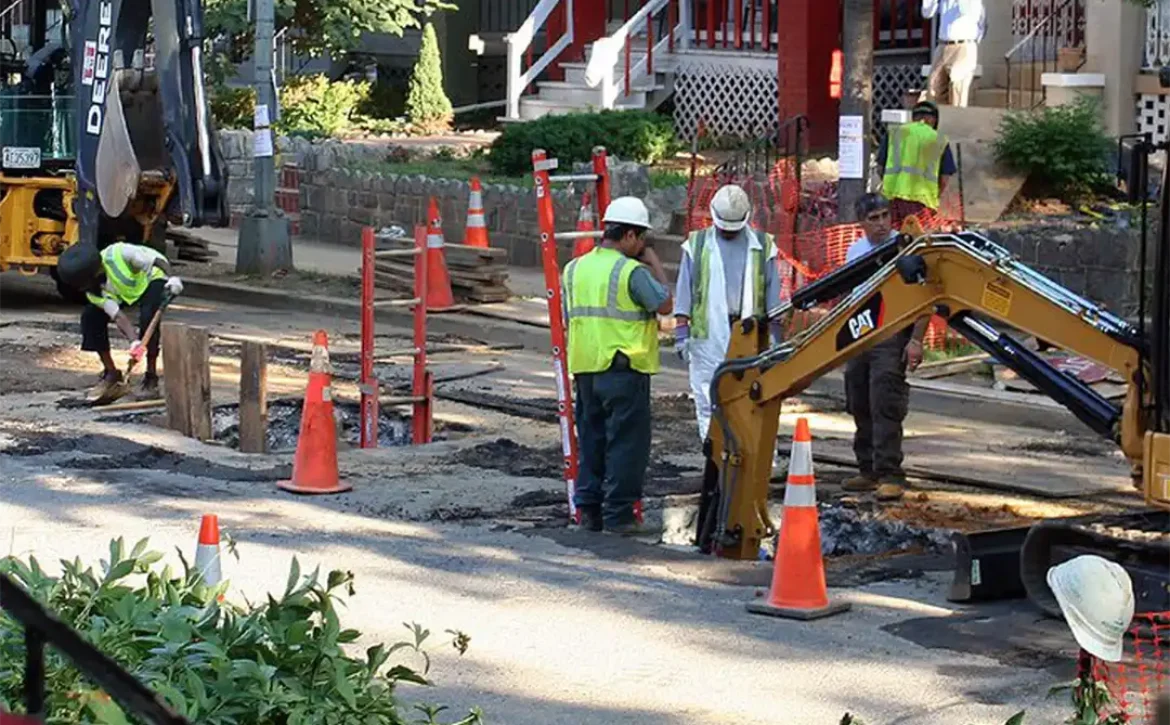
Workers replacing lead pipes in a community

Stretching the Dollar to Get the Lead Out: Good Decision-Making and Planning for Lead Service Line Cost Efficiencies

This policy brief highlights strategies that utilities and/or state agencies should consider adopting to make informed, holistic decisions when spending money on LSL programs.

Read More

Milwaukee is one of the few cities in the country with a prioritization plan to ensure neighborhoods likely to suffer the most severe impacts from lead poisoning get their pipes replaced first. In consultation with a community-based group, Coalition for Lead Emergency (COLE), and following a public engagement process, Milwaukee included in an ordinance three indicators to prioritize where LSLs will be removed first:

  1. The area deprivation index (ADI), which is a compilation of social determinants of health
  2. The percentage of children found to have elevated lead levels in their blood when tested for lead poisoning
  3. The density of lead service lines in the neighborhood.

Read more here.