Lead Reduction Program: Community Engagement
Denver Water has partnered with trusted community organizations to engage and share information about their Lead Reduction Program._x000D_


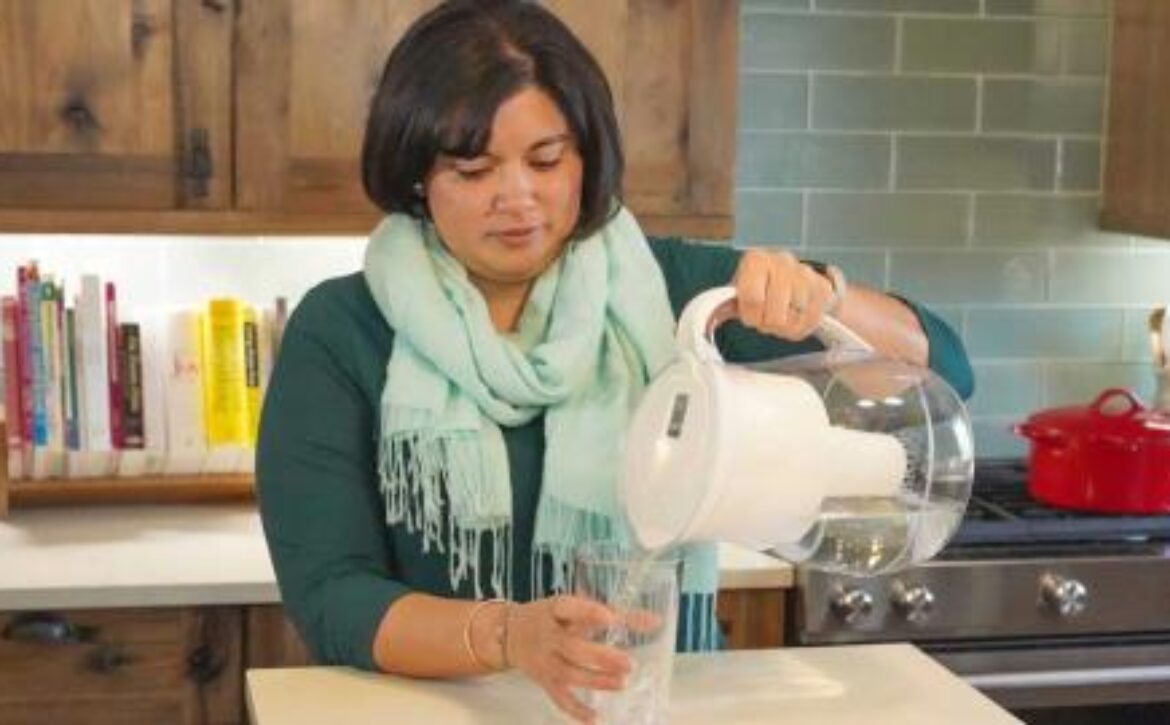
Denver Water has partnered with trusted community organizations to engage and share information about their Lead Reduction Program._x000D_
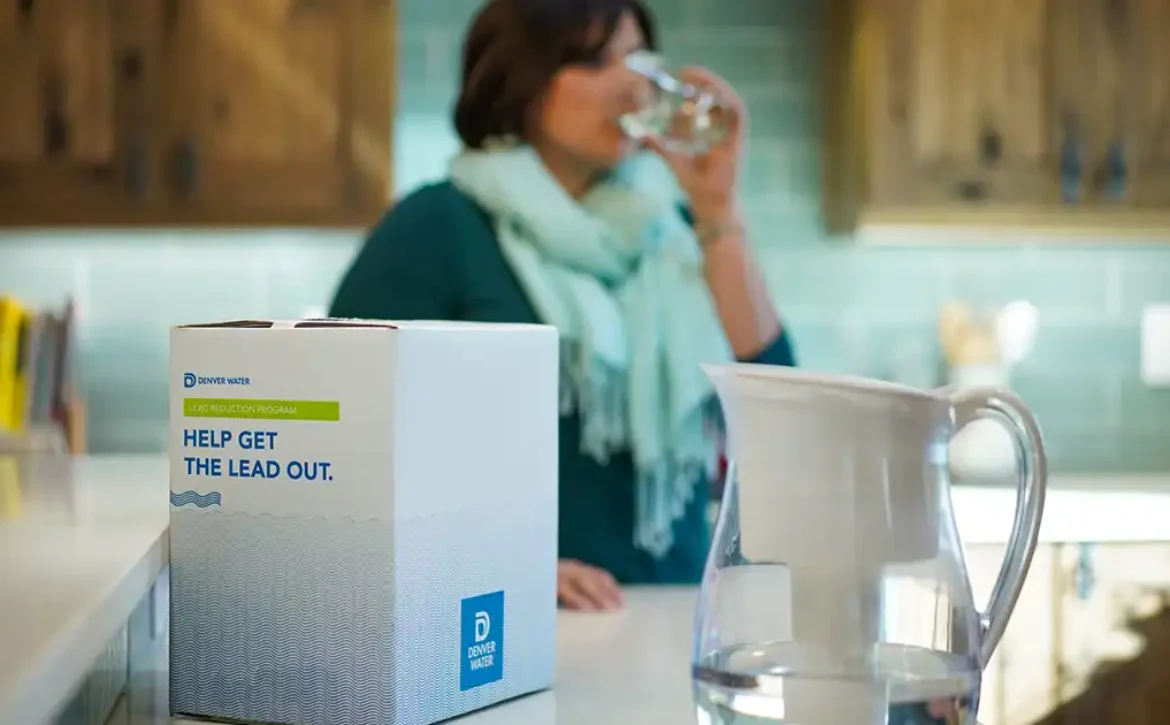
Denver Water uses federal funding, rates, bonds, and other sources to cover the cost of full lead service line replacement.
Pennsylvania COSTARs program enables cooperative purchasing to pre-procure materials for lead service line replacement work which has helped systems like Erie Water Works to realize cost and time savings.
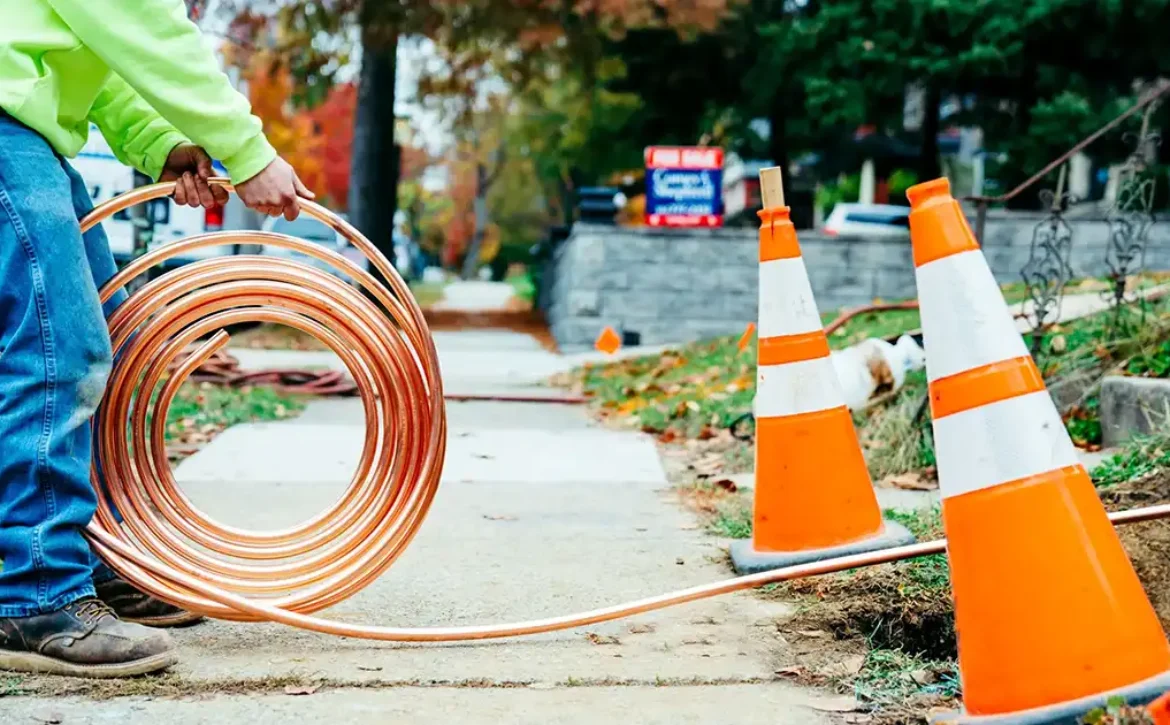
Greater Cincinnati Water Works collaborated with the University of Cincinnati to develop a Prioritization model.

EPA has selected 29 Environmental Finance Centers (EFCs) to deliver targeted technical assistance to local governments, states, Tribes, Territories, and non-governmental organizations to protect public health and safeguard the environment. Under the Infrastructure Investment and Jobs Act, the selected EFCs will help communities access federal funding for water infrastructure improvements.
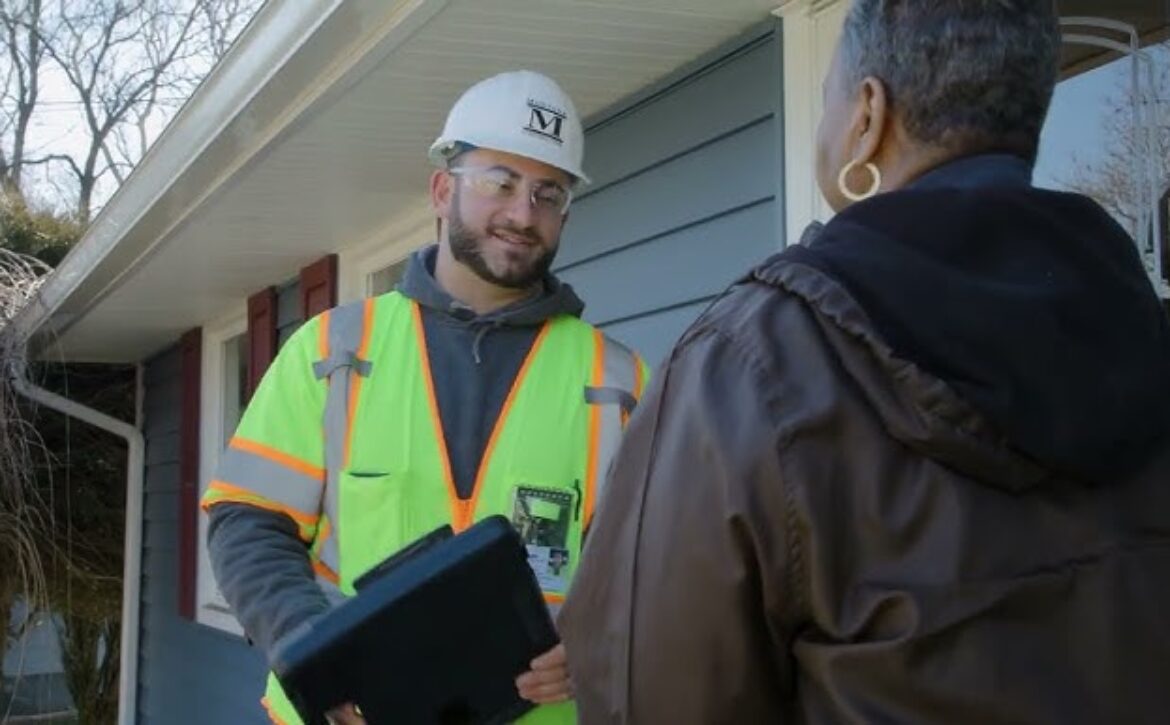
The TMF program’s goal is to better position communities to take advantage of Bipartisan Infrastructure Law (BIL) DWSRF dollars for lead line replacement, which are available through Fiscal Year 2027.
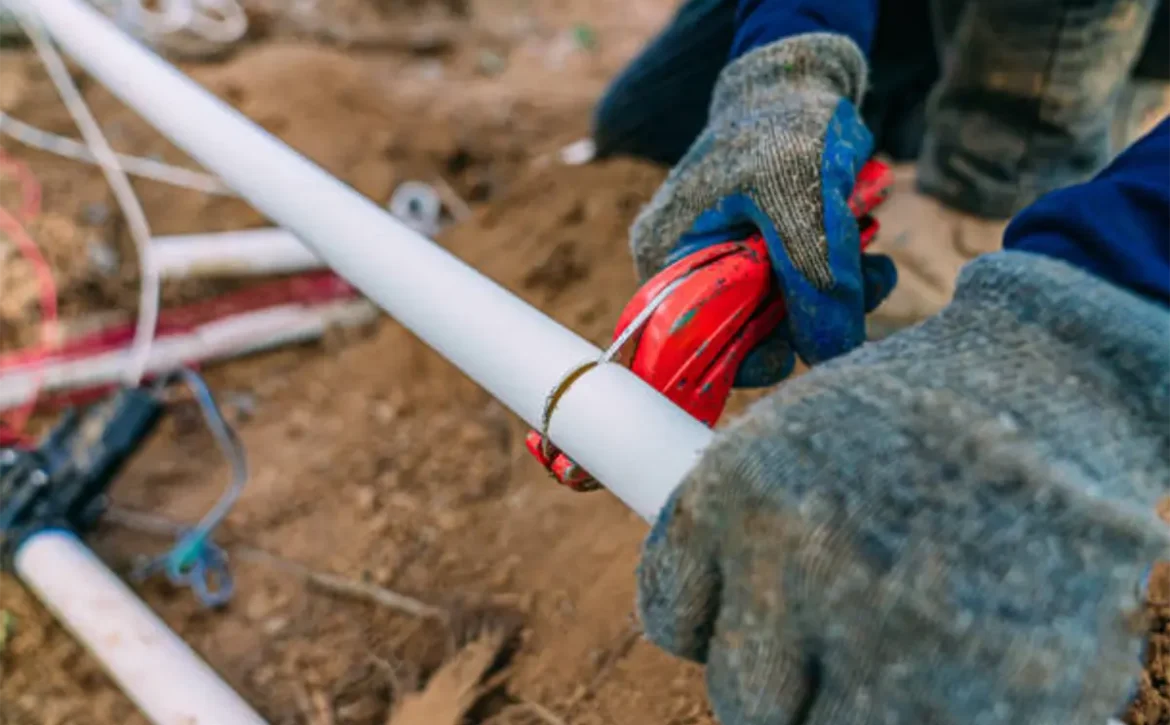
Ohio EPA funds lead pipe replacement in communities and daycare centers, as well as mapping efforts to identify these hazardous lines.

Trenton Water Works automatically enrolls all addresses with suspected LSLs into its replacement program.
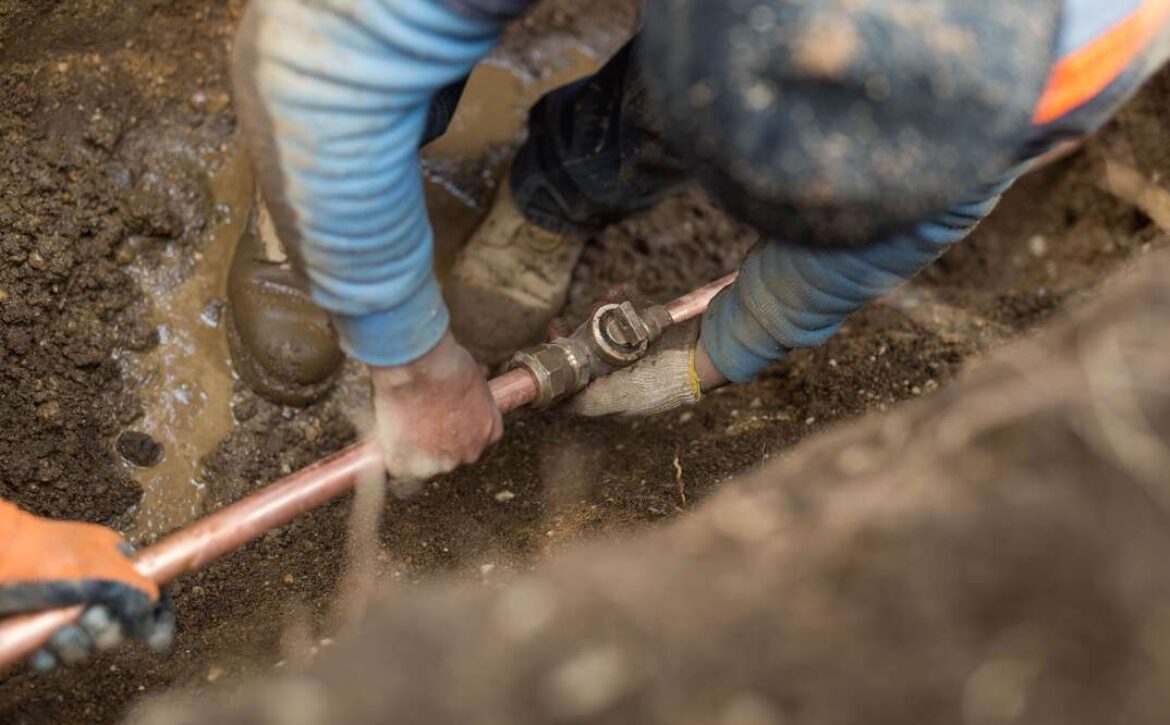
Dixon automatically enrolls eligible homeowners in the water pipe Repair Program which covers repairs to leaking underground residential water service pipes when the leak occurs between the water main and the exterior shut-off box.
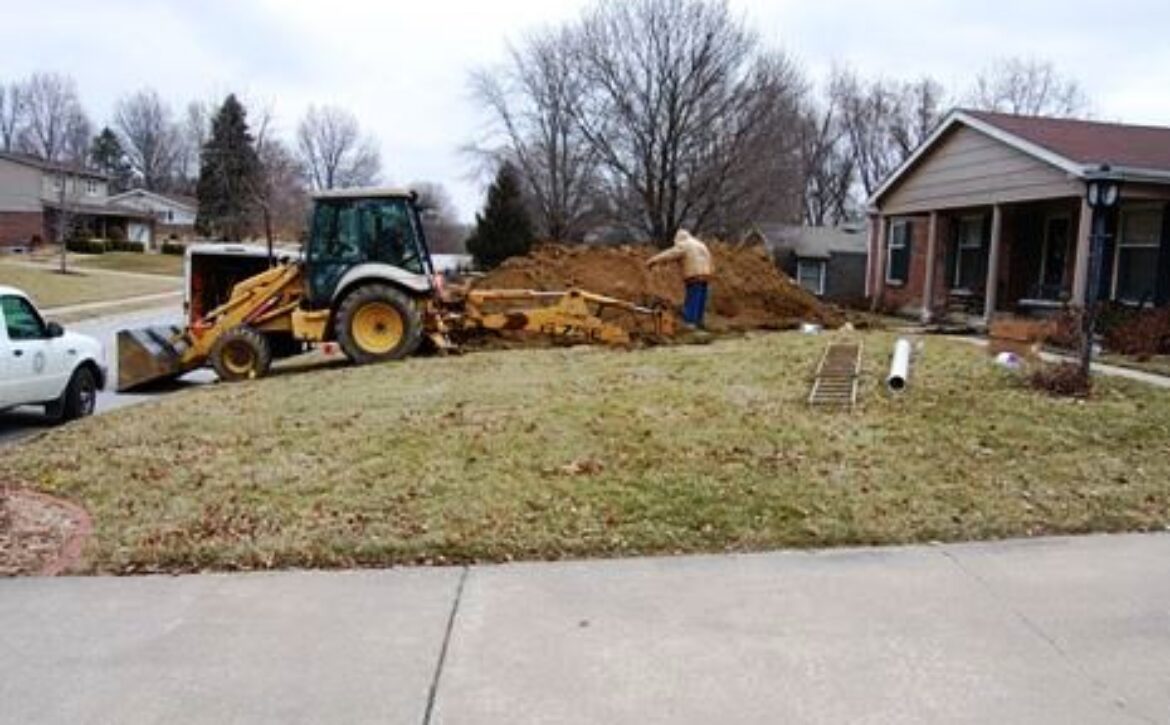
St. Charles’ Water Line Insurance Program automatically enrolls eligible homeowners. This program acts as an "insurance policy" on water service lines to their homes, reimbursing up to $3,000 per property.